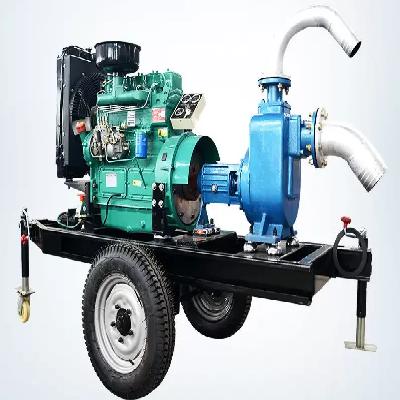
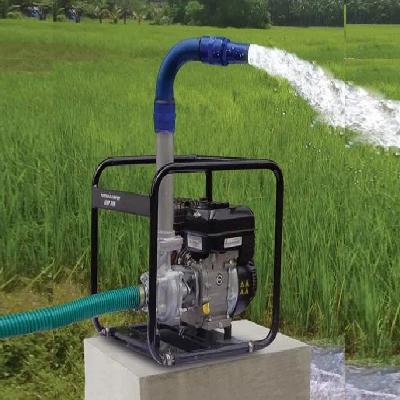
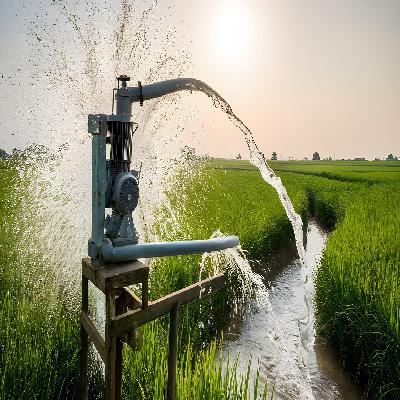
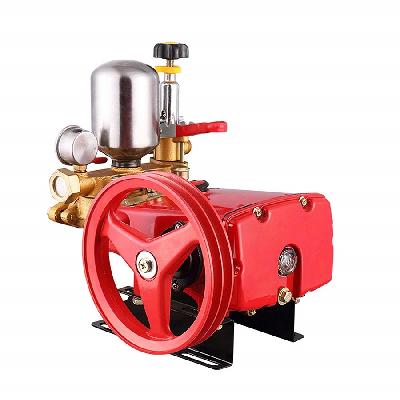
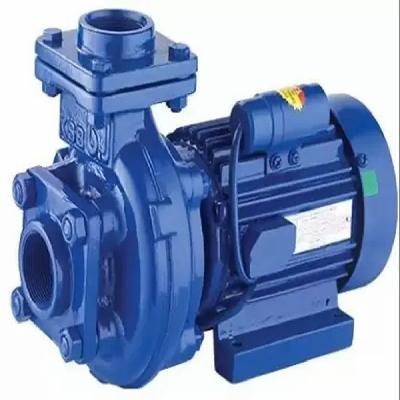
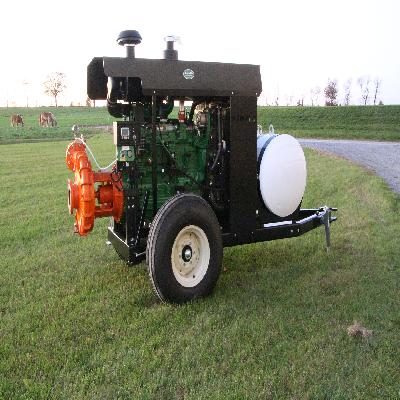
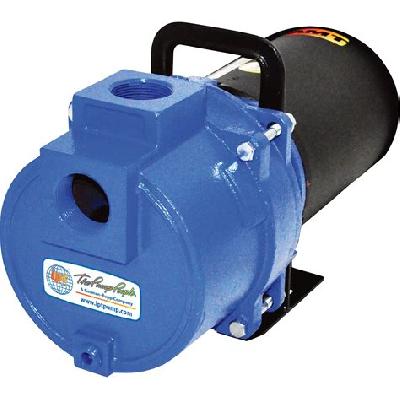
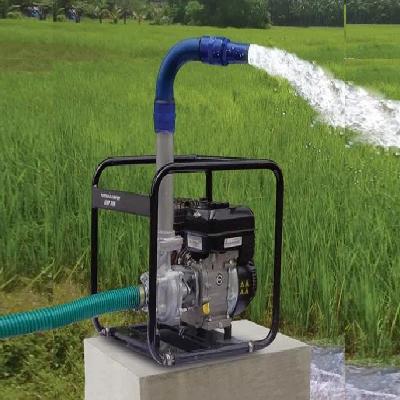
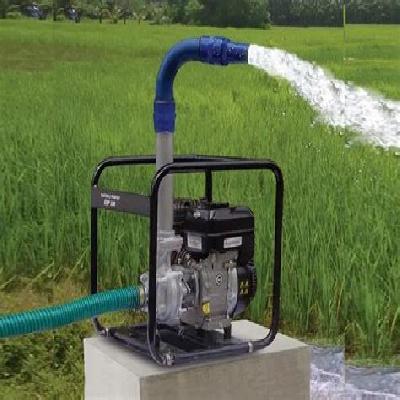
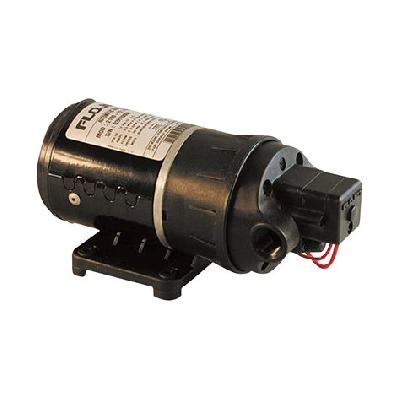
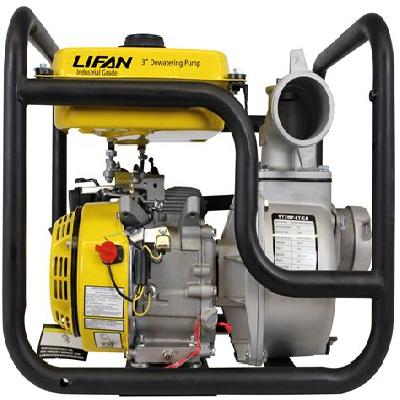
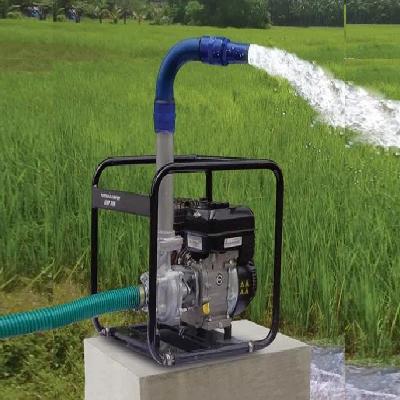
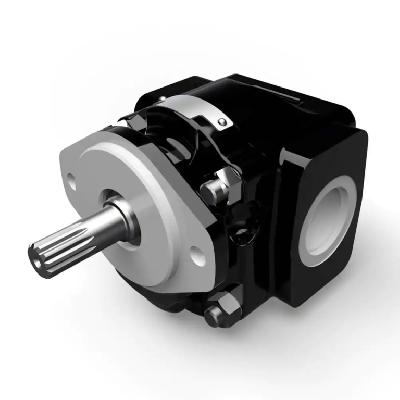
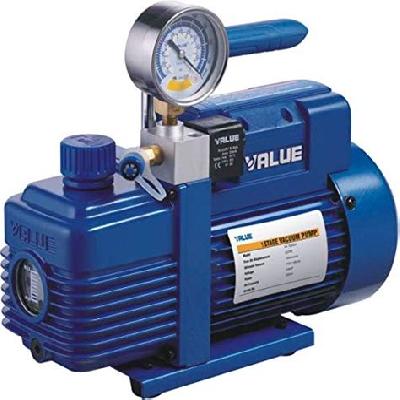
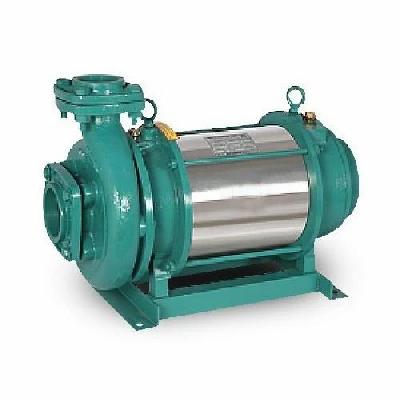
Irrigation pumps are devices used to pump water from a source, such as a well or reservoir, to an irrigation system for crops. They play a crucial role in agriculture by providing a reliable and efficient way to deliver water to plants.
Where To Use Irrigation Pumps
Farm fields for irrigation of crops.
Greenhouses and nurseries to maintain humidity levels.
Agricultural reservoirs to supplement natural water sources.
Key Features Of Irrigation Pumps
High efficiency and reliability.
Durable construction with resistance to corrosion.
Variable speed control for optimized water flow.
Low maintenance requirements.
How To Use Irrigation Pumps
Install the pump near the water source.
Connect the pump to the irrigation system.
Set the flow rate and pressure according to the crop's requirements.
Monitor and maintain the pump regularly.
How Irrigation Pumps Is Manufactured
Irrigation pumps are manufactured using high-quality materials and advanced technologies to ensure durability and efficiency. The manufacturing process involves design, prototyping, testing, and quality control.
Technical Specification Of Irrigation Pumps
Flow Rate:
50-200 m3/h
Power Range:
1.5-10 kW
Maximum Head:
50-150 m
Suction Diameter:
25-100 mm
Discharge Diameter:
50-200 mm
Voltage:
220-440 V
Material:
Stainless Steel, Cast Iron
The technical specification of irrigation pumps provides a detailed overview of their performance and capabilities. The flow rate, power range, maximum head, suction diameter, discharge diameter, voltage, and material are all critical factors that determine the pump's suitability for specific applications.
Description Of Irrigation Pumps
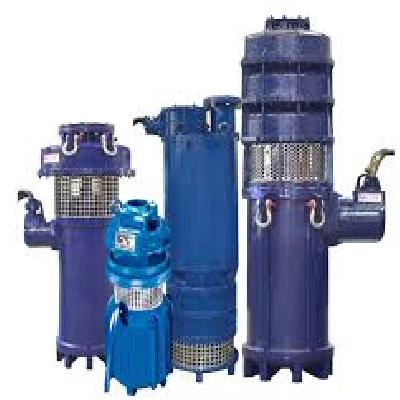
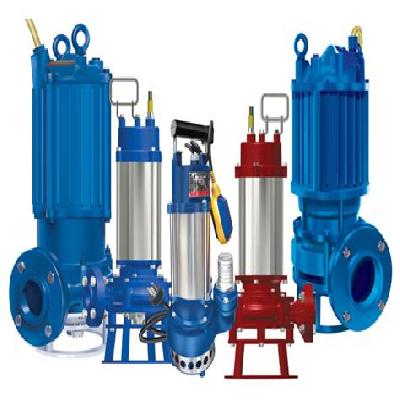
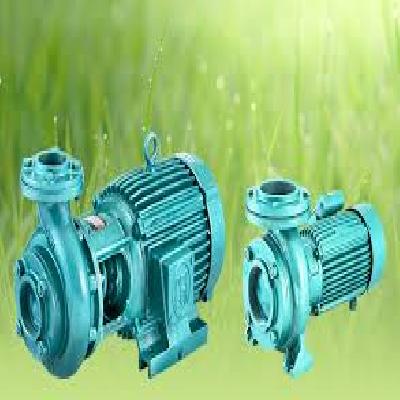
Irrigation pumps are designed to provide a reliable and efficient way to deliver water to crops, orchards, and other agricultural applications. They are available in various configurations, including centrifugal, positive displacement, and submersible types.
Related Products & Synonyms Of Irrigation Pumps
Some related products to irrigation pumps include: