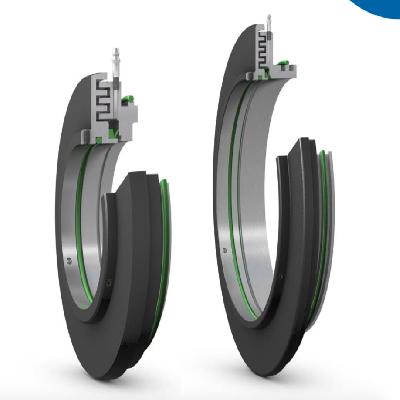
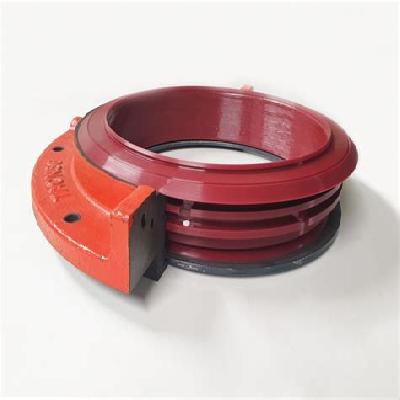
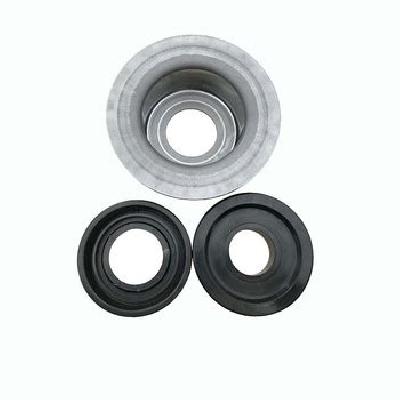
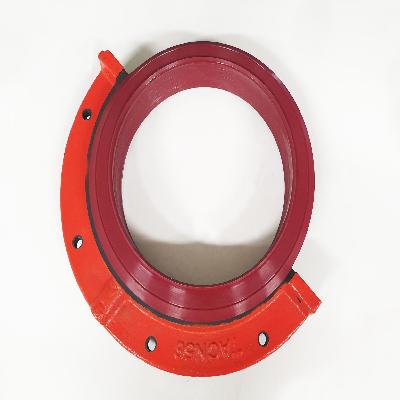
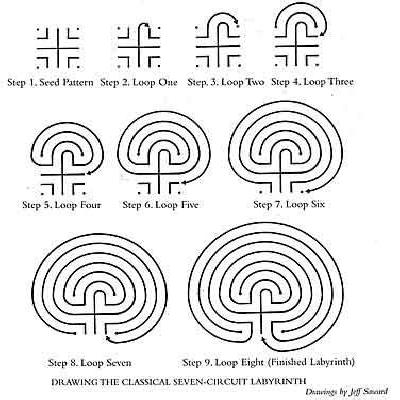
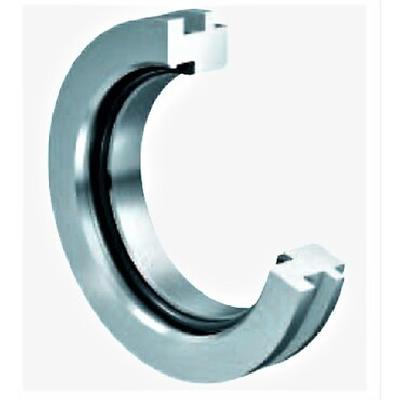
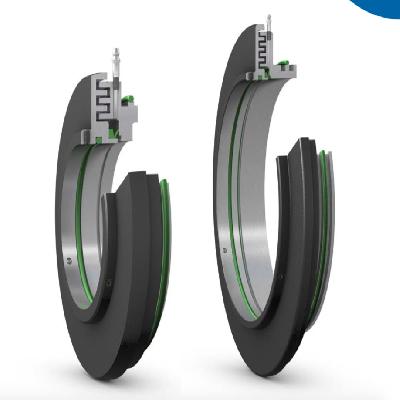
Labyrinth seals are a type of dynamic seal used in various industrial applications to prevent the leakage of fluids or gases. They consist of a series of labyrinthine passages that the fluid must flow through, creating a tortuous path that restricts its movement and prevents leakage.
Where To Use Labyrinth Seals
Labyrinth seals are commonly used in high-temperature and high-pressure applications, such as power generation and chemical processing plants.
They can also be found in aerospace and automotive industries, where precise control over fluid flow is critical.
Key Features Of Labyrinth Seals
High sealing efficiency due to the labyrinthine passages.
Low leakage rates even at high pressures and temperatures.
Durable construction allows for long service life.
How To Use Labyrinth Seals
Choose the correct size and material for the application.
Install the labyrinth seal in a way that ensures proper alignment with the surrounding components.
Maintain regular inspection and replacement schedules to ensure optimal performance.
How Labyrinth Seals Is Manufactured
Labyrinth seals are typically manufactured using high-quality materials such as stainless steel, ceramic, or specialized polymers. The manufacturing process involves cutting and machining the material to precise dimensions, followed by assembly of the labyrinthine passages.
Technical Specification Of Labyrinth Seals
Inner Diameter:
20-50 mm
Outer Diameter:
30-70 mm
Material:
Stainless Steel (SS304/SS316), Ceramic, or Polymers
Temperature Range:
-200°C to +400°C
The technical specifications provided are general guidelines and may need to be adjusted based on specific application requirements. It is essential to consult with a qualified engineer or supplier for accurate specification verification.
Description Of Labyrinth Seals
Labyrinth seals are designed to provide a high level of sealing efficiency and durability in various industrial applications. Their unique labyrinthine structure allows for precise control over fluid flow, making them an ideal choice for critical systems.