Land leveling work is a process used to ensure that the surface of a land or terrain is even and level. This can be necessary for various reasons, such as preparing a site for construction, removing unevenness caused by natural elements like trees or rocks, or creating a stable base for buildings or other structures.
Using specialized equipment like excavators and graders, professionals in the field will carefully assess the terrain to determine the best course of action. They may need to remove soil, rocks, or other obstructions to achieve the desired levelness. The goal is to create a smooth, even surface that can support weight and withstand various environmental conditions.
This process requires expertise and specialized equipment, making it essential to hire professionals for land leveling work.
Where Is Land Leveling Work Used
Construction sites: Before building a structure, the site must be leveled to ensure it's stable and even.
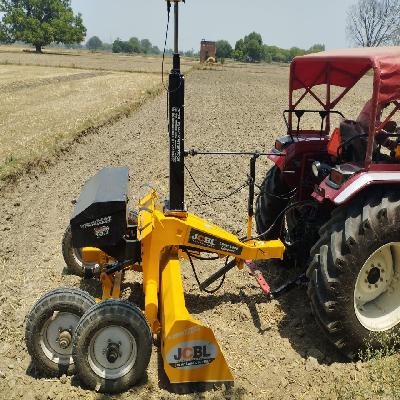
Agricultural areas: For efficient farming practices, land leveling work helps in creating uniform plots for planting crops.
Recreational spaces: Parks, playgrounds, and sports fields require even surfaces for optimal use.
Infrastructure development: Leveling is necessary for the construction of roads, bridges, and other infrastructure projects.
Land leveling work can be applied in a variety of settings to create stable, safe, and functional spaces. Its importance lies in its ability to improve the usability and longevity of any given area.
Key Benefits Of Land Leveling Work
Improved safety: A leveled surface reduces the risk of accidents, particularly in areas with heavy foot or vehicular traffic.
Increased efficiency: Uniform land surfaces enhance productivity in various industries, including construction and agriculture.
Prolonged lifespan: Regular leveling can extend the life of buildings and infrastructure by distributing weight evenly and reducing strain on structures.
Enhanced aesthetics: Leveling helps create visually appealing environments for residential, commercial, or recreational purposes.
The benefits of land leveling work are multifaceted and contribute significantly to making spaces safer, more efficient, and aesthetically pleasing.
How Land Leveling Work Rental Process Works
Initial Consultation: Discuss the project's specifics with our team to determine the best approach and equipment needed.
Evaluation and Planning: Our experts assess the site and create a detailed plan, including the necessary resources and timeframe for completion.
Equipment Rental and Deployment: The required equipment is made available, and our professionals begin work on leveling the land according to the agreed-upon plan.
Ongoing Monitoring and Adjustment: Throughout the project, adjustments are made as needed to ensure the job meets quality and safety standards.
The rental process for land leveling work ensures that you have access to specialized equipment and expertise without long-term commitments. Our team handles every step, from planning to completion, ensuring your project is finished on time and within budget.
Service Coverage & Availability
Our service coverage extends across various locations, catering to different regions and needs. The availability of our services is flexible, allowing for rental periods that fit your specific project requirements.
Available Equipment & Technical Capabilities
Excavators and graders for heavy-duty leveling work.
Skid-steer loaders for smaller-scale projects or tight spaces.
Bulldozers for moving large volumes of soil efficiently.
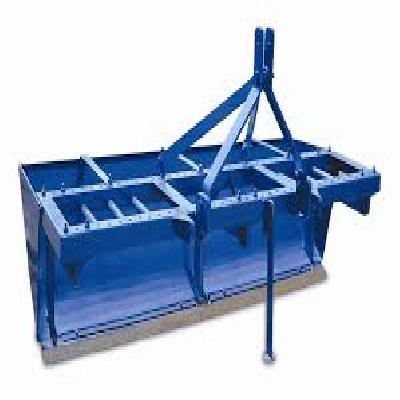
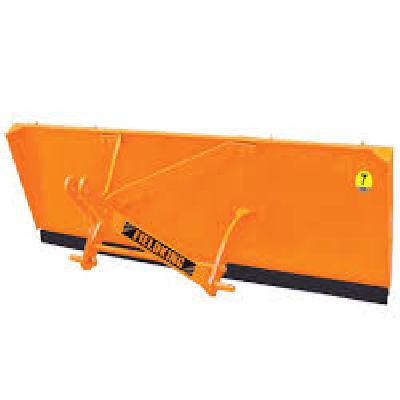
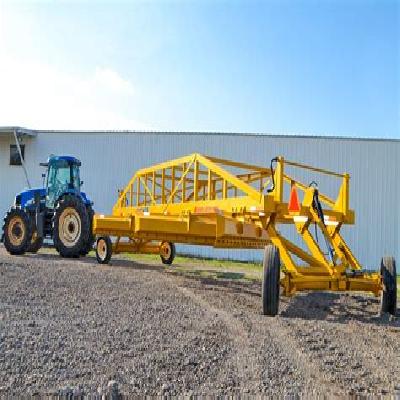
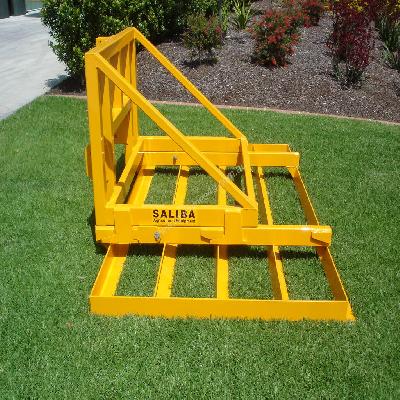
Tractors with attachments like tillers and levellers for land preparation.
We offer a range of equipment to match the scale and complexity of your project, ensuring that our services are both efficient and effective.
Why Choose Land Leveling Work
Our company stands out due to its commitment to quality, customer satisfaction, and safety. With years of experience in land leveling work, we have developed the expertise to handle even the most challenging projects efficiently.
Description Of Land Leveling Work
Land leveling involves using heavy machinery and specialized techniques to alter the surface of a land or terrain. This process is crucial for various construction, agricultural, and infrastructure projects. It not only improves the usability but also adds value to the area by making it safer, more efficient, and aesthetically pleasing.