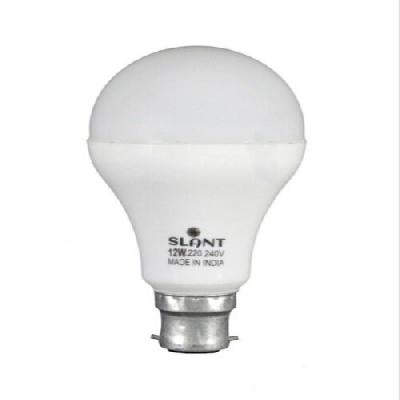
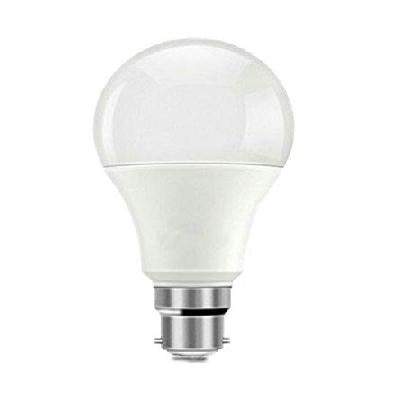
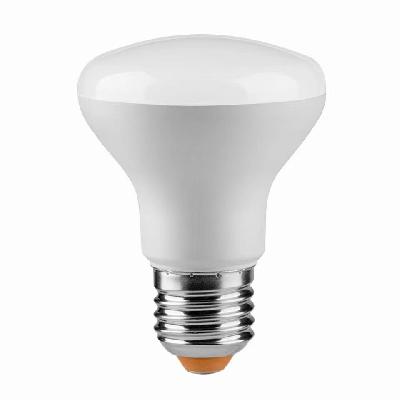
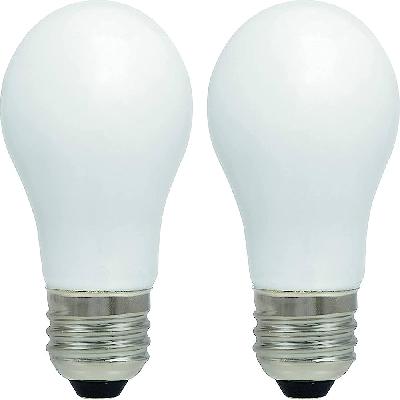
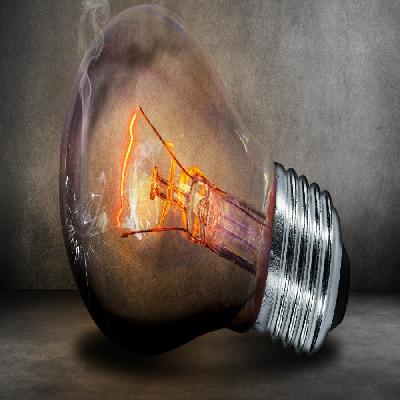
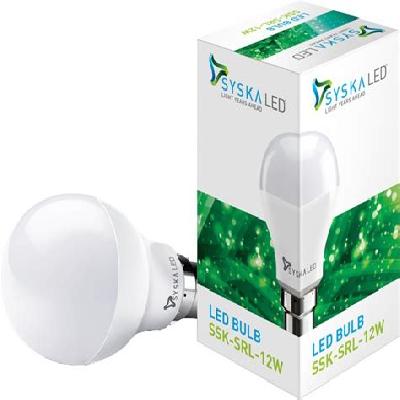
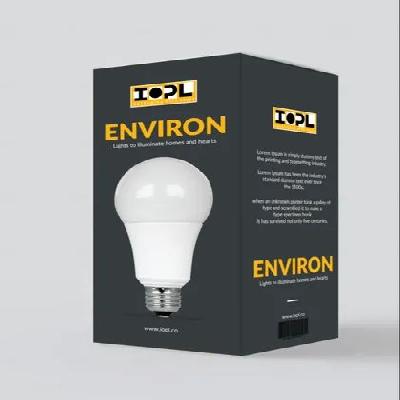
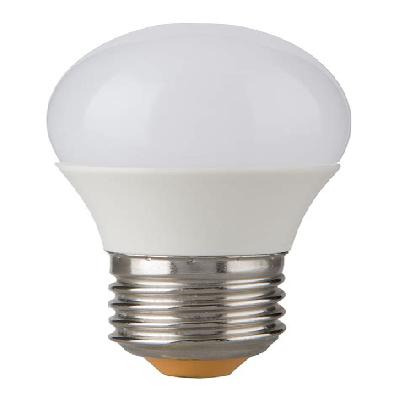
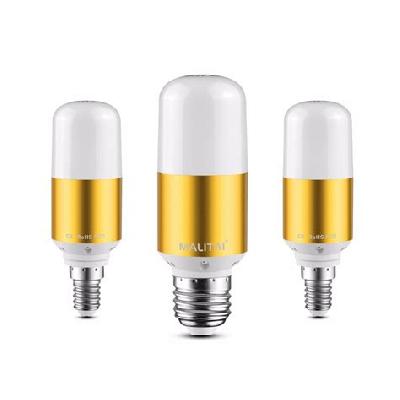
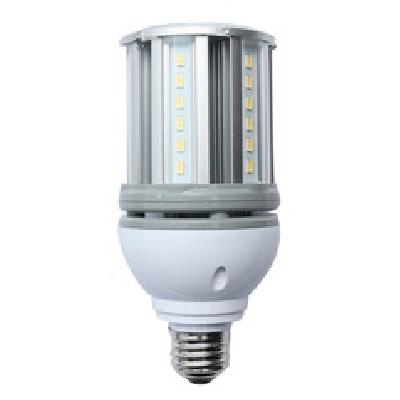
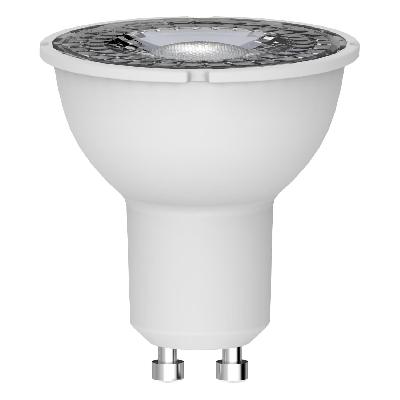
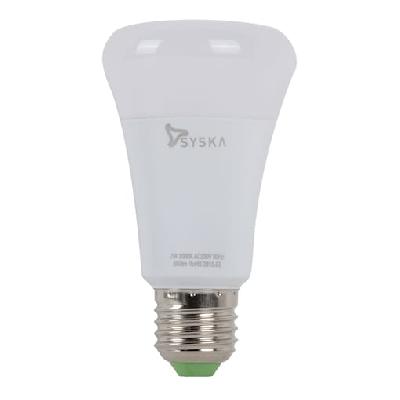
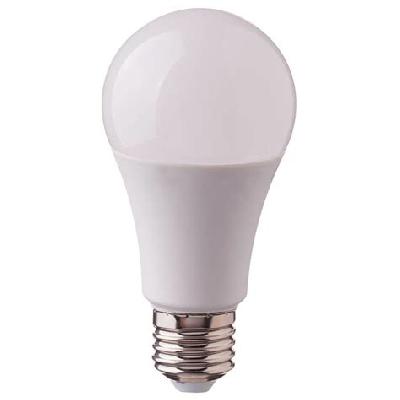
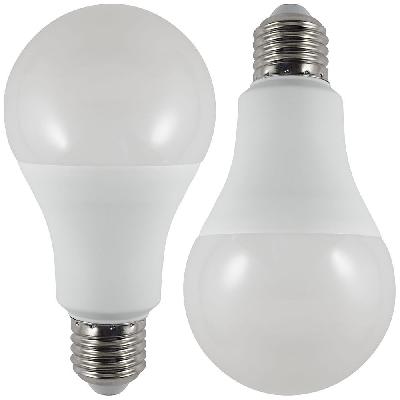
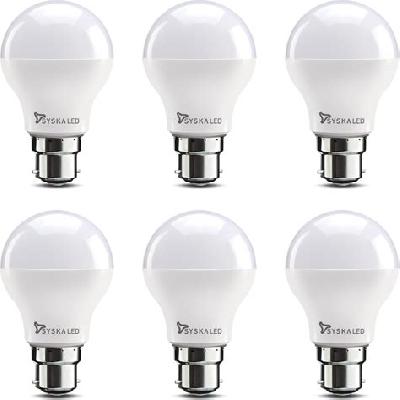
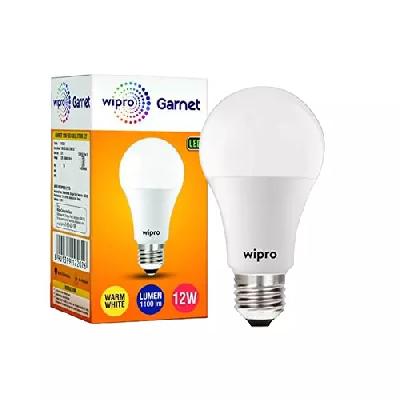
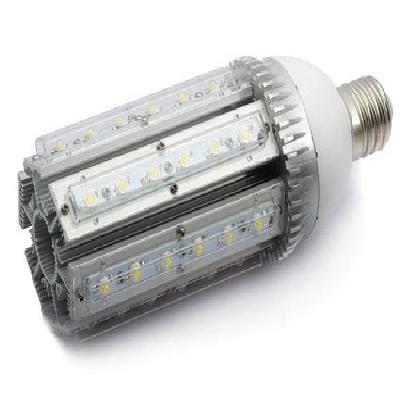
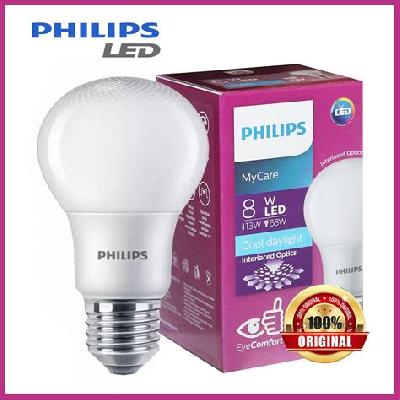
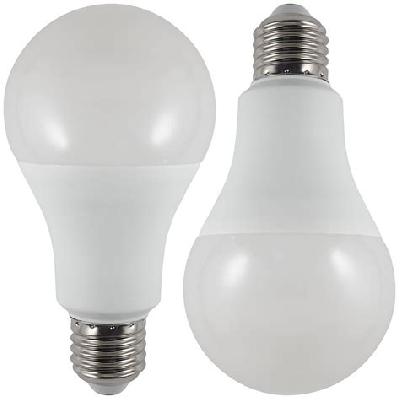
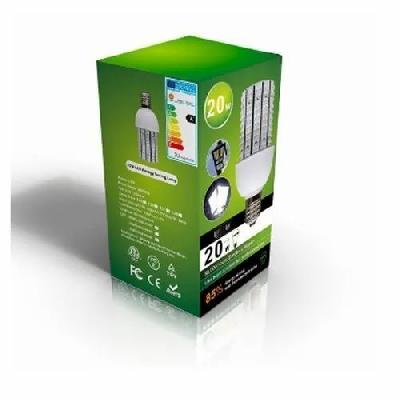
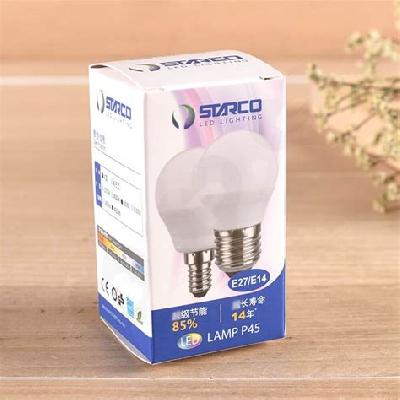
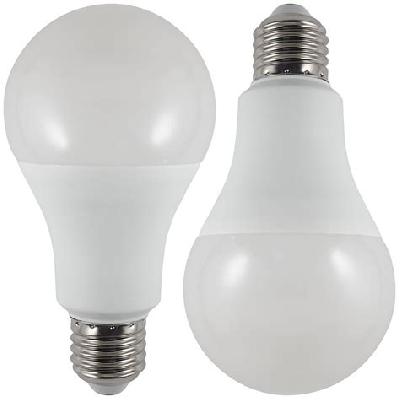
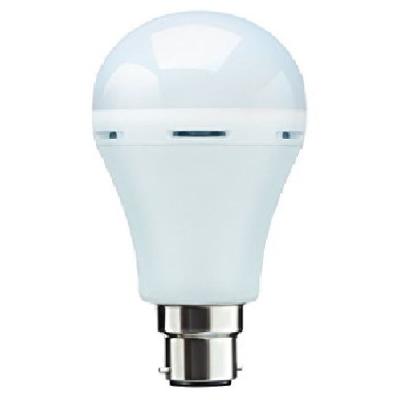
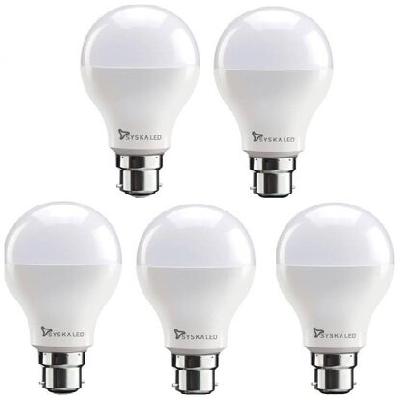
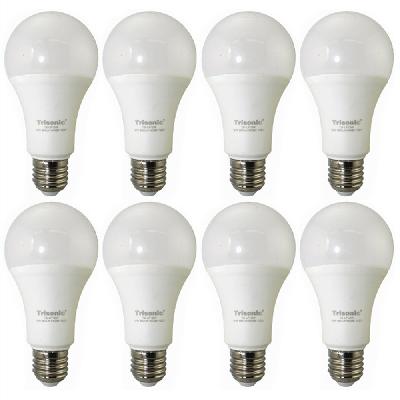
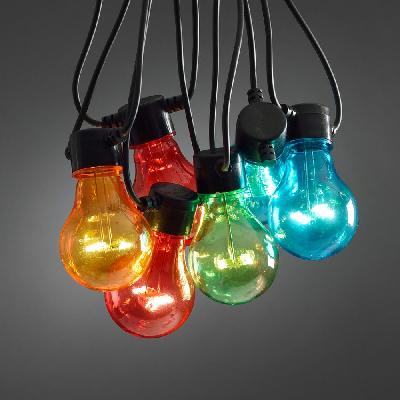
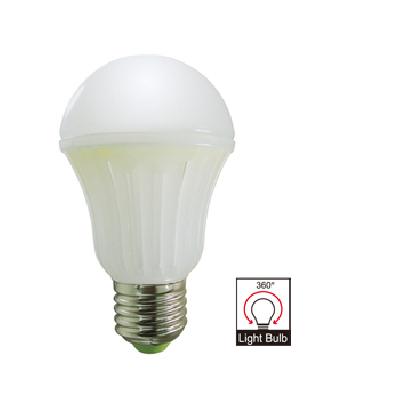
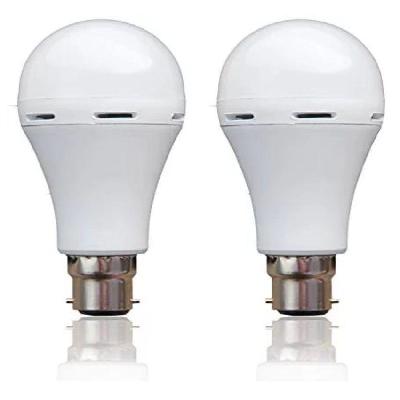
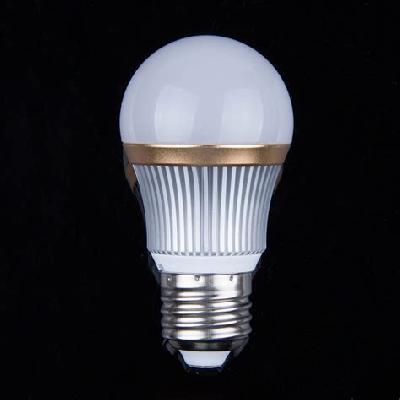
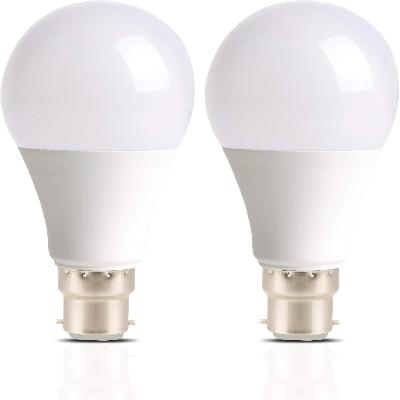
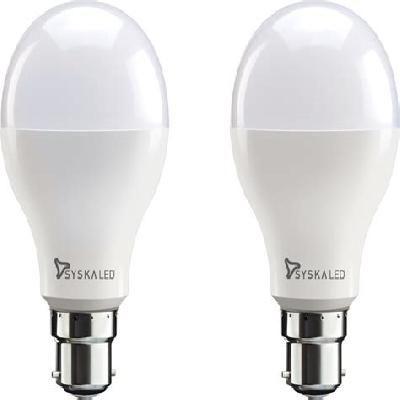
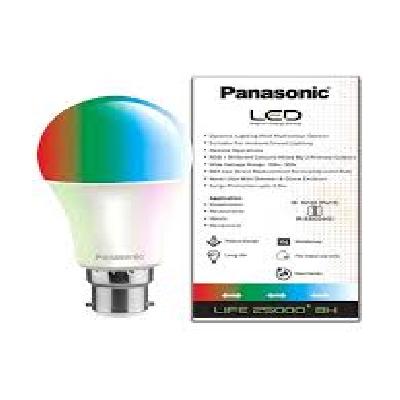
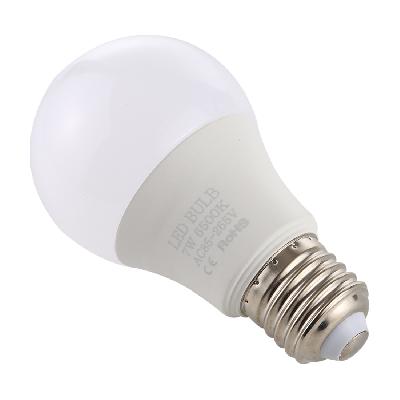
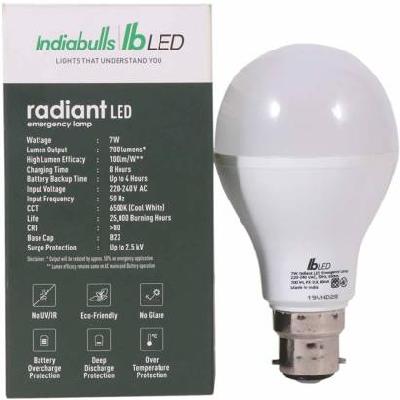
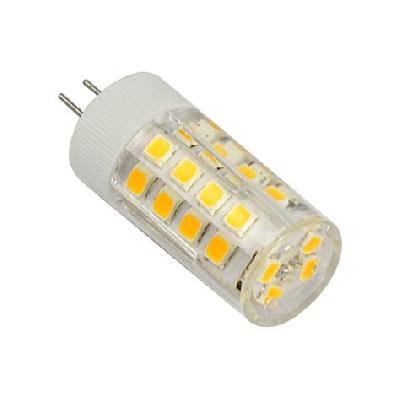
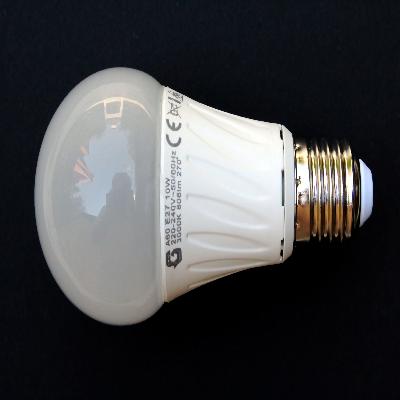
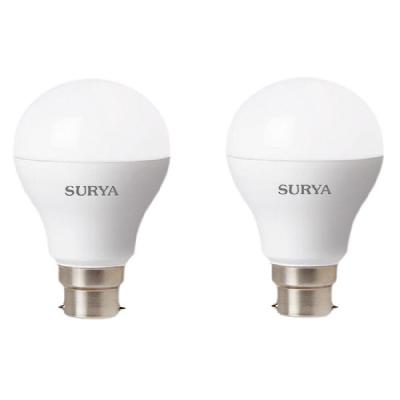
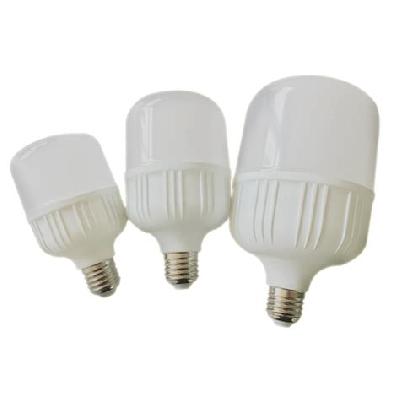
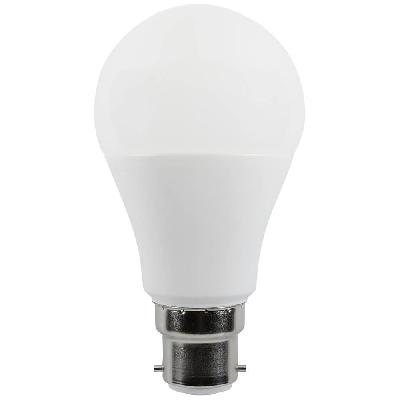
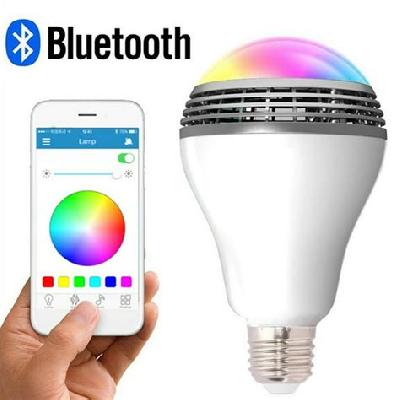
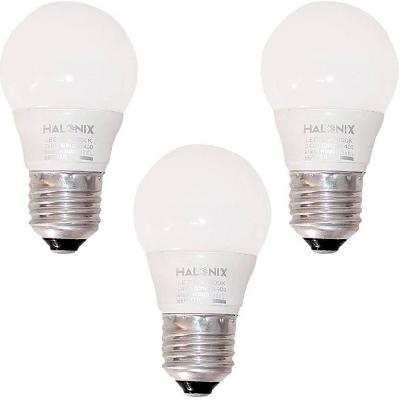
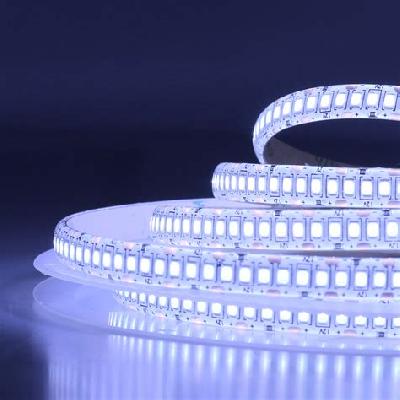
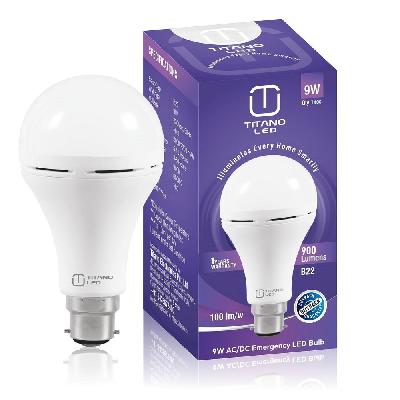
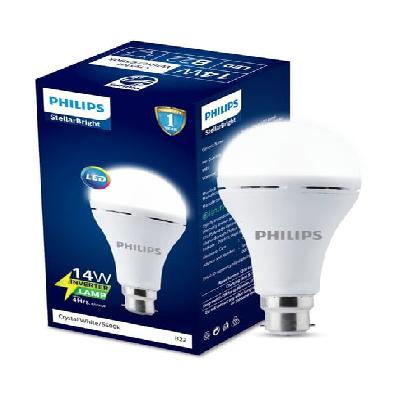
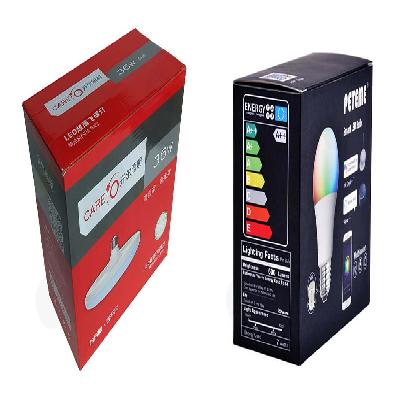
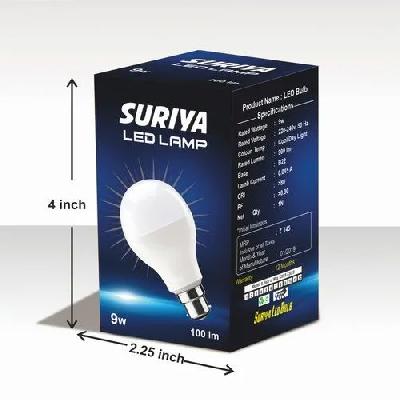
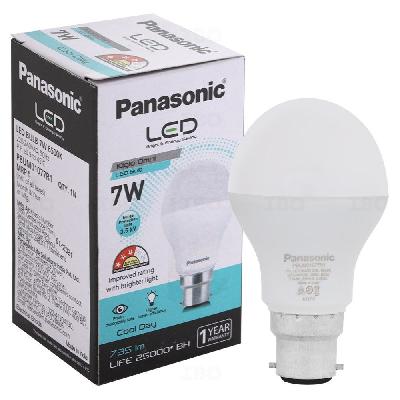
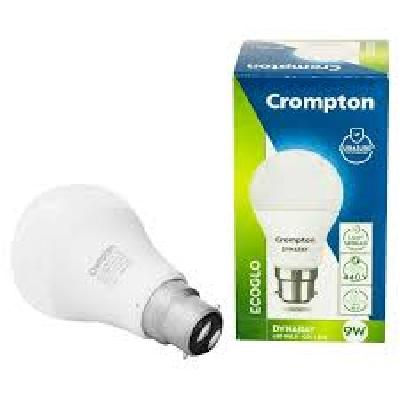
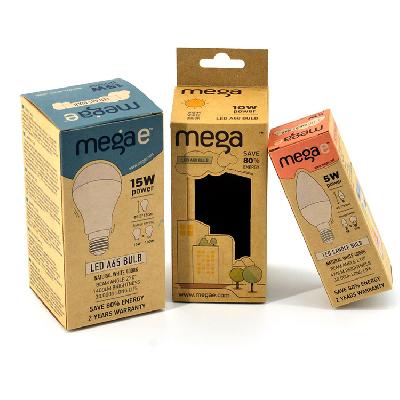
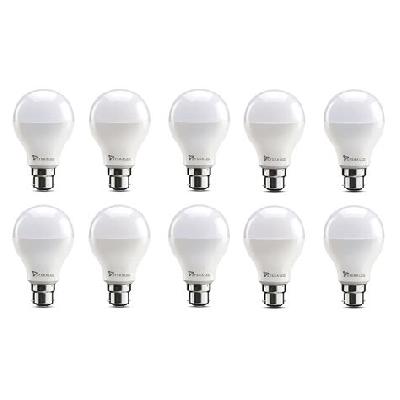
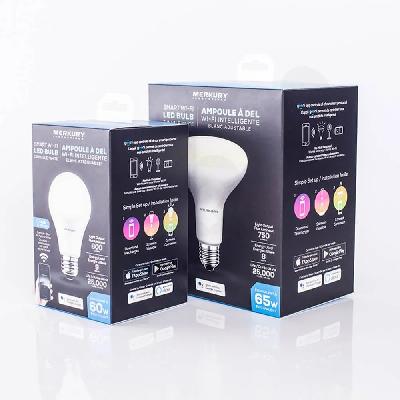
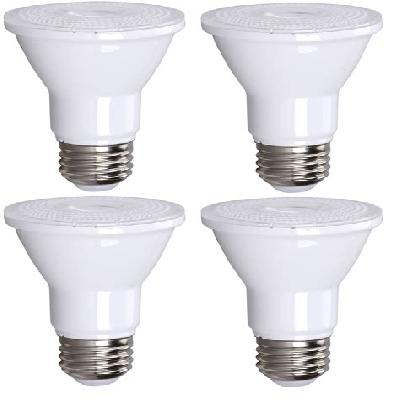
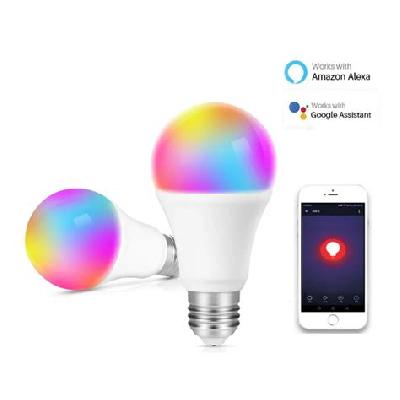
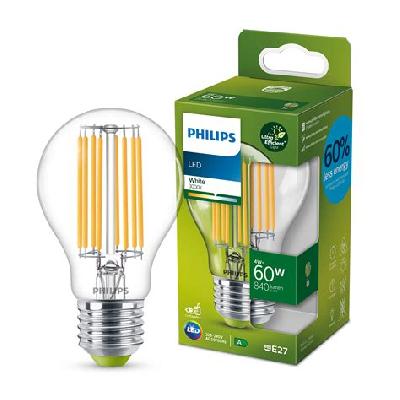
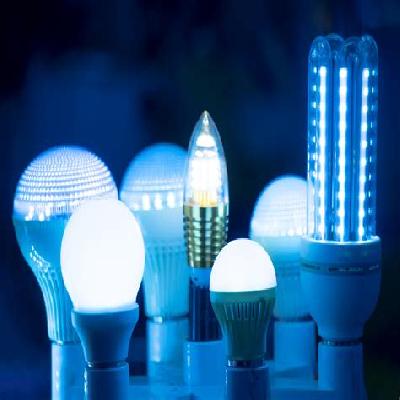
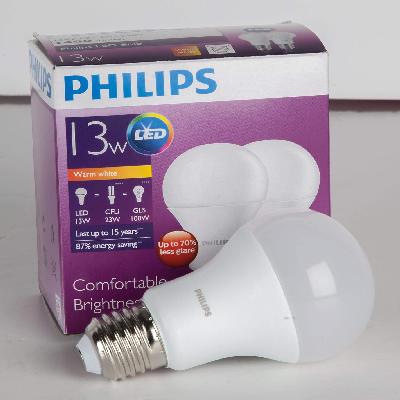
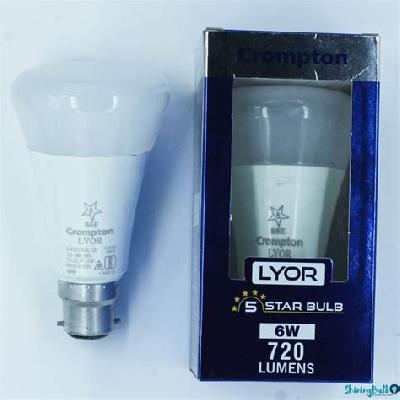
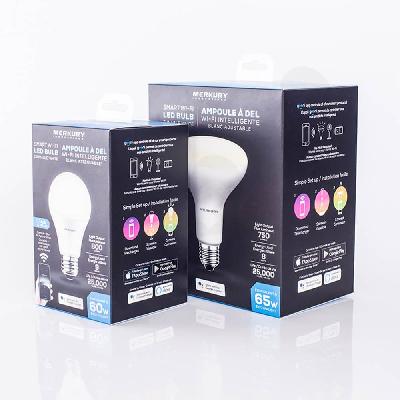
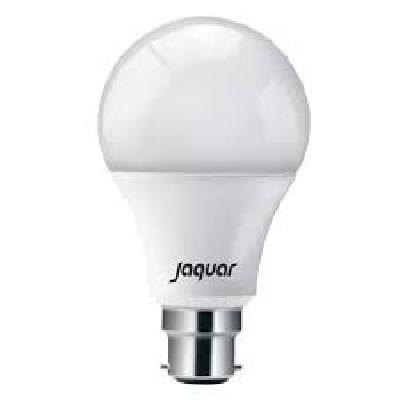
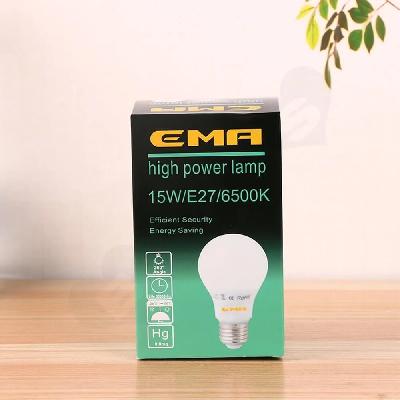
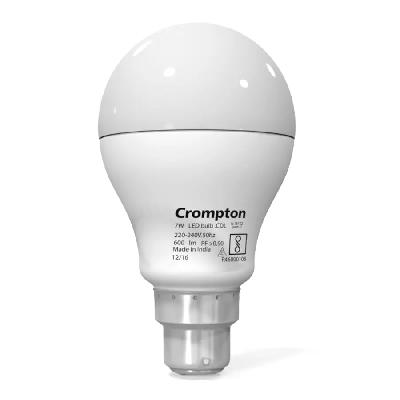
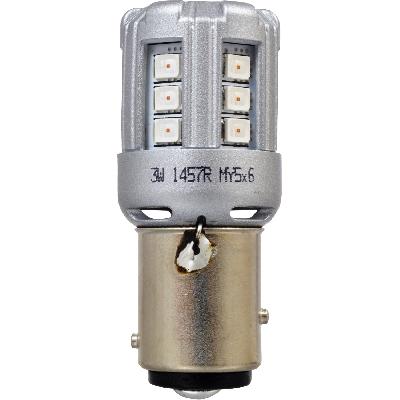
An LED bulb is a type of lighting device that uses light-emitting diodes (LEDs) to produce light. It is an energy-efficient and environmentally friendly alternative to traditional incandescent bulbs.
Where To Use LED Bulb
LED bulbs can be used in a variety of applications, including residential and commercial lighting, outdoor lighting, and industrial lighting.
Key Features Of LED Bulb
Energy-efficient and environmentally friendly
Long lifespan (up to 50,000 hours)
Durable and resistant to shock and vibration
Instant on and no warm-up time
Dimmable and adjustable brightness
How To Use LED Bulb
Replace traditional bulbs with LED bulbs in existing fixtures
Use LED bulbs in new construction and lighting design projects
Install LED bulbs in outdoor areas for energy-efficient and long-lasting lighting
Utilize LED bulbs in industrial settings for increased productivity and safety
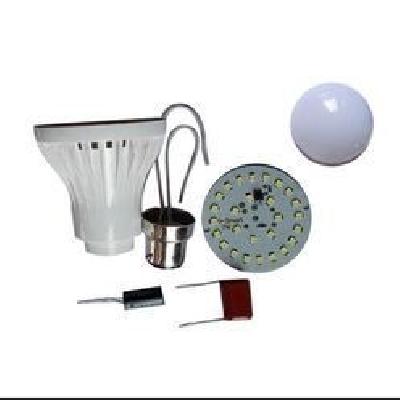
How LED Bulb Is Manufactured
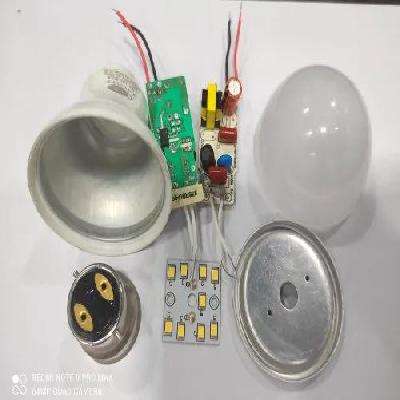
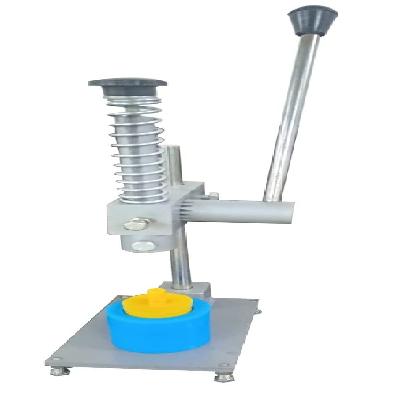
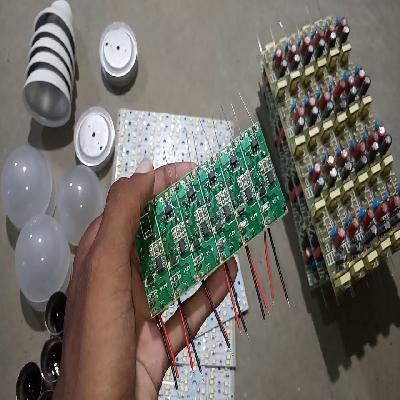
The manufacturing process of an LED bulb involves several stages, including design and development, production, testing, and packaging.
Technical Specification Of LED Bulb
Wattage:
9-12 watts
Color Temperature:
2700K-5000K
Beam Angle:
120-180 degrees
Base Type:
E26/E27
The technical specifications of an LED bulb include its wattage, color temperature, beam angle, and base type. The wattage of an LED bulb is typically lower than that of traditional incandescent bulbs, making it a more energy-efficient option. The color temperature of an LED bulb can range from 2700K to 5000K, allowing for a variety of lighting options. The beam angle of an LED bulb can vary depending on the application, but is often between 120-180 degrees. The base type of an LED bulb is typically E26/E27, making it compatible with most existing fixtures.
Description Of LED Bulb
An LED bulb is a type of lighting device that uses light-emitting diodes (LEDs) to produce light.
Related Products & Synonyms Of LED Bulb
Some related products to the LED bulb include:
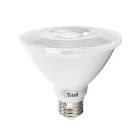
Par Led Light Bulb: A type of LED bulb that is specifically designed for use in stage lighting and other applications where a high intensity light source is required.
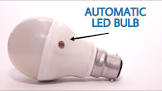
Automatic LED Bulb: An LED bulb that can be controlled automatically using a timer or sensor.
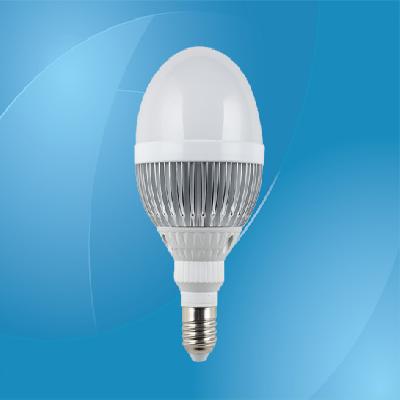
Aluminum LED Bulb: An LED bulb with an aluminum base.
AC LED Bulb: An LED bulb designed for use in AC-powered applications.
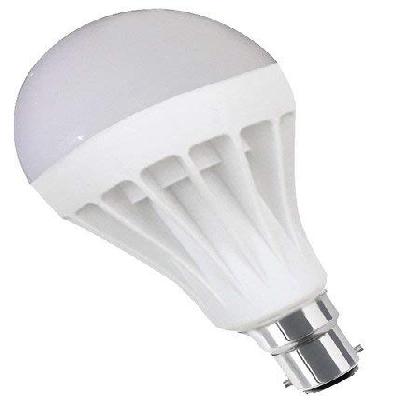
Ceramic LED Bulb: An LED bulb with a ceramic base.
DC LED Bulb: An LED bulb designed for use in DC-powered applications.
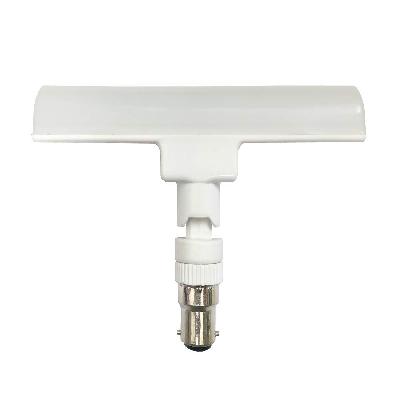
Led T Bulb: A type of LED bulb that is shaped like a traditional incandescent bulb but uses an LED light source.
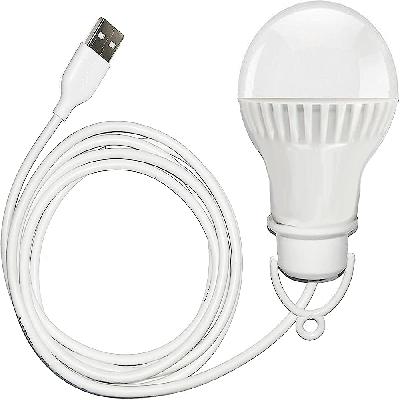
USB LED Bulb: An LED bulb that can be charged using a USB port.
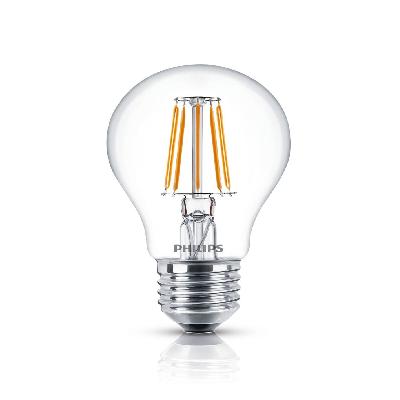
LED Filament Bulb: A type of LED bulb that mimics the appearance of a traditional incandescent filament bulb.
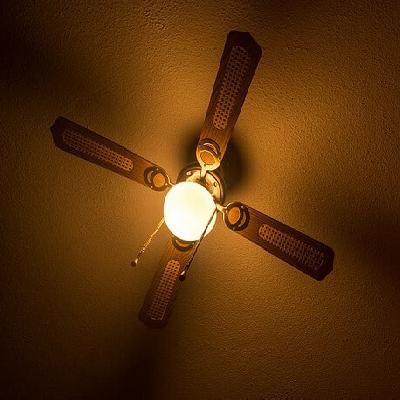
Fan Bulb: An LED bulb with a built-in fan for improved heat dissipation.
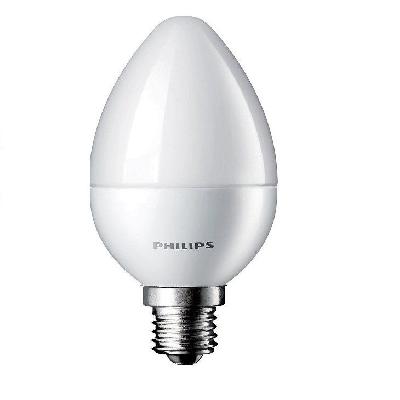
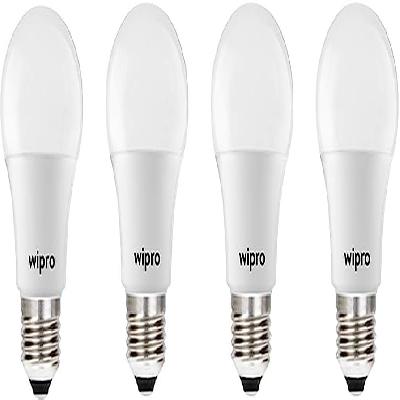
LED Candle Bulb: A type of LED bulb that is designed to resemble a candle.
E27 LED Lamp: A type of LED lamp that uses an E27 base.
Chinese LED Bulb: An LED bulb manufactured in China.
Frosted LED Bulb: An LED bulb with a frosted glass cover.
Flashing LED Bulb: An LED bulb that flashes on and off.