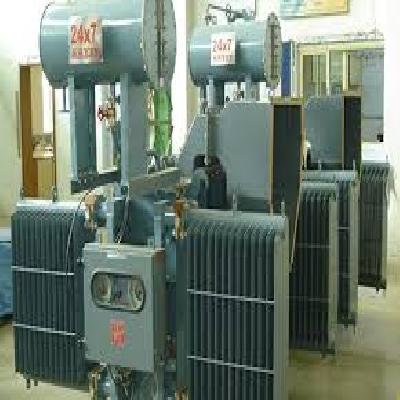
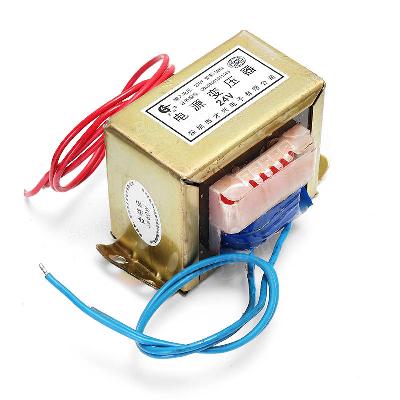
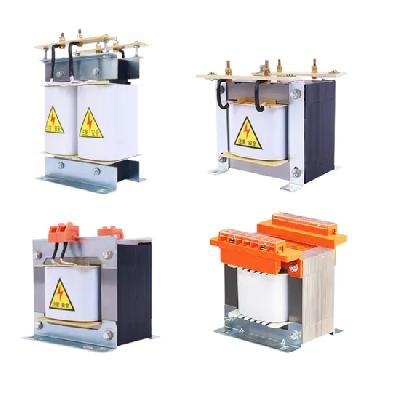
A lighting transformer is a type of electrical transformer designed to supply power to lighting systems, such as fluorescent lights, high-intensity discharge (HID) lamps, and low-voltage lighting installations.
Where To Use Lighting Transformer
Lighting transformers are commonly used in various applications, including residential, commercial, and industrial settings. They are ideal for use in areas where a stable and consistent voltage is required to operate lighting systems.
Key Features Of Lighting Transformer
Step-down or step-up voltage transformation
High efficiency and low energy consumption
Compact design for easy installation
Good heat dissipation for long lifespan
Low maintenance requirements
How To Use Lighting Transformer
Ensure the transformer is properly connected to the power source and lighting system.
Check the transformer's voltage rating to ensure it matches the required input voltage.
Monitor the transformer's performance regularly to prevent overheating or damage.
How Lighting Transformer Is Manufactured
The manufacturing process of lighting transformers involves several stages, including design and development, material selection, winding, testing, and packaging.
Technical Specification Of Lighting Transformer
Power Rating:
10-20 kW
Input Voltage:
208-240 V AC
Output Voltage:
12-24 V DC
Frequency:
50/60 Hz
Cooling Type:
Natural convection or forced air cooling
Isolation Voltage:
3000 V AC
The technical specification of a lighting transformer includes its power rating, input voltage, output voltage, frequency, cooling type, and isolation voltage. The specification table provides detailed information about the transformer's performance and capabilities.
Description Of Lighting Transformer
A lighting transformer is a type of electrical device that converts high voltage alternating current (AC) to low voltage direct current (DC) or AC for use in lighting systems.
Related Products & Synonyms Of Lighting Transformer
Some related products of lighting transformers include: