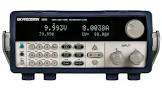
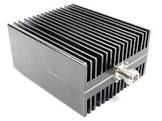
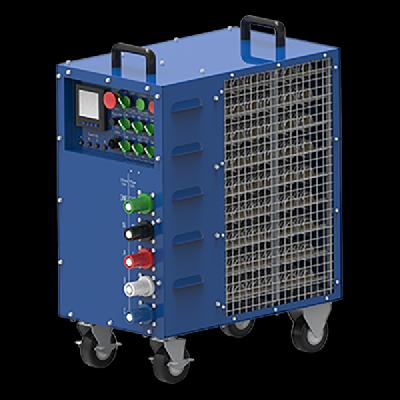
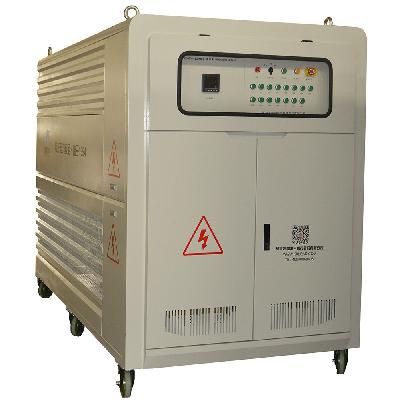
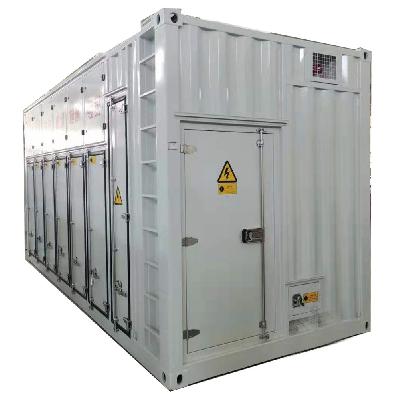
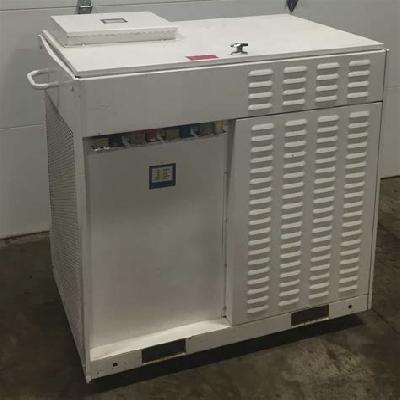
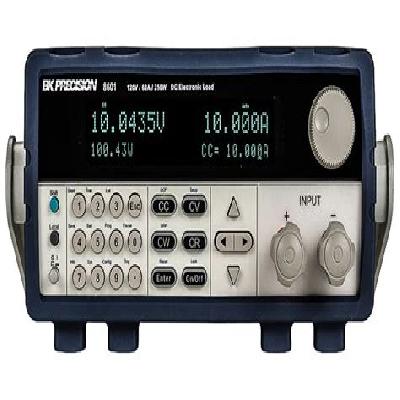
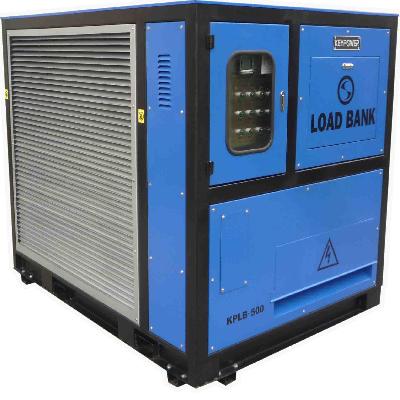
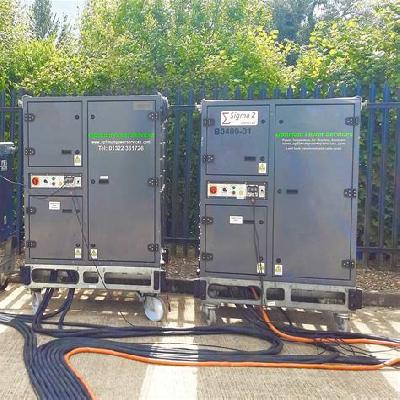
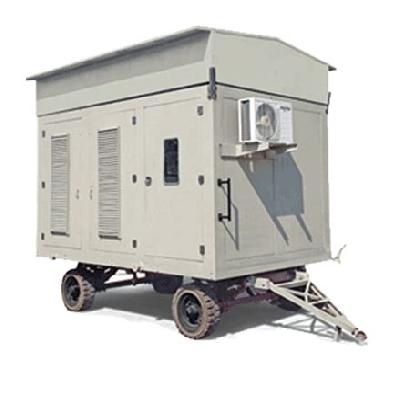
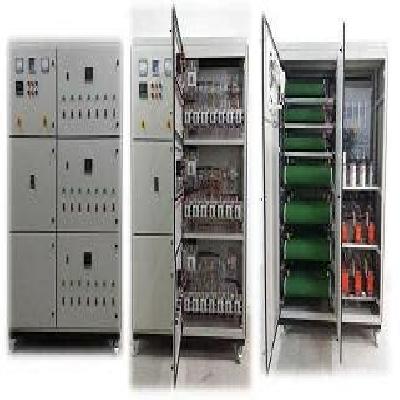
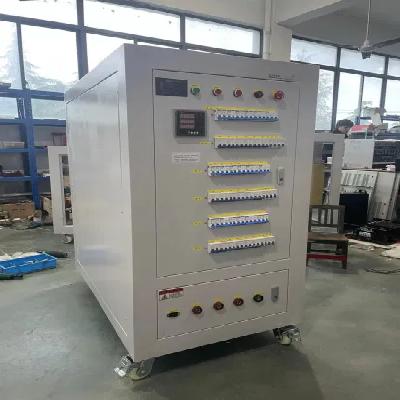
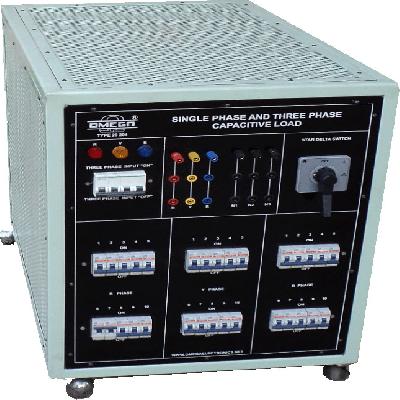
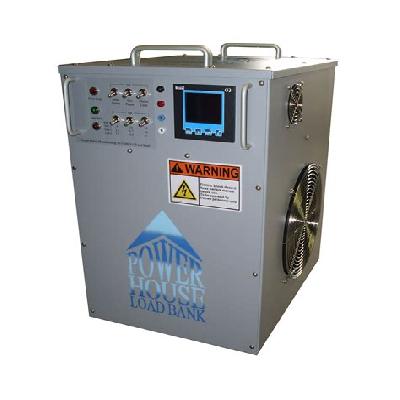
Load banks are specialized equipment designed to simulate electrical loads, allowing for the testing and calibration of power systems, generators, and other electrical devices. They mimic the characteristics of actual electrical loads, providing a safe and controlled environment for testing and validation.
Where To Use Load Banks
Load banks are typically used in various industrial settings, including power plants, electrical substations, and manufacturing facilities. They can also be employed in research and development laboratories for testing and calibrating electrical equipment.
Key Features Of Load Banks
Simulate various types of electrical loads, including resistive and inductive loads.
Allow for adjustable power capacity and voltage rating to match specific testing requirements.
Feature cooling systems to prevent overheating during prolonged testing periods.
Can be designed with multiple phase configurations to accommodate different electrical systems.
Equipped with control panels for easy operation and monitoring of the testing process.
How To Use Load Banks
Connect the load bank to the electrical system or device being tested.
Set the desired power capacity and voltage rating on the control panel.
Engage the cooling system as needed to prevent overheating.
Monitor the testing process using the control panel's display and logging features.
Adjust settings as necessary to simulate real-world loading conditions.
How Load Banks Is Manufactured
Load banks are typically manufactured using high-quality components and materials, such as copper windings, steel frames, and cooling systems. The manufacturing process involves precise engineering, assembly, and testing to ensure reliable performance and accuracy.
Technical Specification Of Load Banks
Power Capacity:
1-500 kW
Voltage Rating:
110-480 VAC
Cooling Type:
Air-cooled or liquid-cooled
Phase Type:
1-3 phases
Frequency:
50/60 Hz
The technical specifications of load banks provide a detailed overview of their capabilities and performance characteristics. The power capacity, voltage rating, cooling type, phase type, and frequency are all critical factors to consider when selecting a load bank for specific testing requirements. By choosing the right load bank, users can ensure accurate and reliable results in a variety of industrial and research applications.
Description Of Load Banks
Load banks are designed to simulate real-world electrical loads, allowing for the testing and validation of power systems and devices. They feature adjustable power capacity and voltage rating, cooling systems, and control panels for easy operation and monitoring.
Related Products & Synonyms Of Load Banks
Load banks are often related to other electrical testing equipment, such as DC electronic loads, dummy loads, resistive load banks, electrical load banks, and inductive load banks. Synonyms for load banks include terms like "power conditioning equipment," "electrical loading devices," and "testing and calibration equipment."