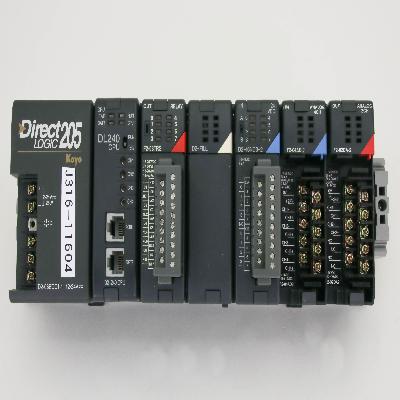
A logic analyzer is an electronic test equipment used to observe and analyze the digital signals within a system or circuit. It allows users to capture, display, and measure the timing and behavior of digital signals, making it a vital tool for debugging, troubleshooting, and testing digital systems.
Where To Use Logic Analyzer
Logic analyzers are commonly used in various fields, including electronics engineering, computer programming, and scientific research. They can be applied to a wide range of applications, such as:
Debugging digital systems
Testing digital circuits
Analyzing digital signal behavior
Measuring timing and frequency characteristics
Validating digital system designs
Key Features Of Logic Analyzer
High-speed sampling and acquisition capabilities
Large memory capacity for storing captured data
Multiple trigger options for flexible signal capture
Real-time display and analysis of digital signals
Support for various communication interfaces (e.g., USB, Ethernet)
User-friendly interface with intuitive software tools
How To Use Logic Analyzer
Connect the logic analyzer to the digital system or circuit under test
Configure the trigger options and acquisition settings according to the specific requirements
Capture and store digital signal data using the logic analyzer's high-speed sampling capabilities
Analyze and display the captured data in real-time, using the built-in software tools or external analysis programs
Use the logic analyzer's multiple trigger options to capture specific events or conditions within the digital system
How Logic Analyzer Is Manufactured
The manufacturing process of a logic analyzer typically involves several stages, including:
Design and development of the hardware and software components
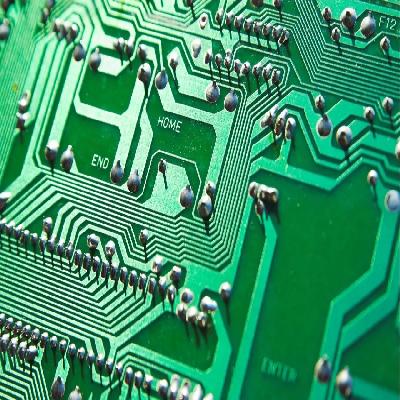
Component sourcing and procurement for the printed circuit board (PCB) assembly
PCB assembly and testing, including mounting components and installing firmware
Final product inspection and calibration before packaging and shipping
Technical Specification Of Logic Analyzer
Number of Channels:
8-16 channels
Sampling Rate:
100 MHz - 1 GHz
Record Length:
1 Mbyte - 10 Gbytes
Input Voltage Range:
3.3 V - 5 V
Input Impedance:
1 k? - 10 M?
Communication Interface:
USB, Ethernet, GPIB
The technical specifications of a logic analyzer are critical in determining its performance and capabilities. The number of channels, sampling rate, record length, input voltage range, input impedance, and communication interface are all essential factors to consider when selecting a logic analyzer for specific applications. In this section, we have listed the typical technical specifications of a logic analyzer, including the number of channels, sampling rate, record length, input voltage range, input impedance, and communication interface.
The number of channels is an important specification to consider, as it determines the number of digital signals that can be captured simultaneously. A logic analyzer with a higher number of channels allows for more complex systems to be analyzed, but may also increase the cost and complexity of the instrument.
The sampling rate is another critical specification, as it determines the maximum speed at which digital signals can be captured. A higher sampling rate allows for faster capture of high-speed digital signals, but may also increase the complexity and cost of the instrument.
The record length is an important specification to consider, as it determines the maximum amount of data that can be stored on the logic analyzer. A longer record length allows for more detailed analysis of digital signals, but may also increase the cost and complexity of the instrument.
The input voltage range is an essential specification to consider, as it determines the maximum voltage that can be applied to the logic analyzer's inputs. A wider input voltage range allows for more flexibility in selecting the logic analyzer, but may also increase the complexity and cost of the instrument.
The input impedance is another critical specification, as it determines the maximum resistance that can be applied to the logic analyzer's inputs. A higher input impedance allows for more flexibility in selecting the logic analyzer, but may also increase the complexity and cost of the instrument.
The communication interface is an essential specification to consider, as it determines how the logic analyzer can be connected to a computer or other external device. A variety of communication interfaces allows for more flexibility in selecting the logic analyzer, but may also increase the complexity and cost of the instrument.
Description Of Logic Analyzer
A logic analyzer is a digital signal acquisition and analysis tool used to capture, display, and measure the timing and behavior of digital signals within a system or circuit. It is designed to provide detailed information about the digital signals, including their timing, frequency, and amplitude, allowing for accurate diagnosis and debugging of complex digital systems.
Related Products & Synonyms Of Logic Analyzer
The logic analyzer has several related products, including the digital oscilloscope and the logic probe. These instruments are designed to provide similar functionality as the logic analyzer but with different features and specifications.
The synonyms of the logic analyzer include the digital signal analyzer, the timing analyzer, and the logic signal analyzer. These terms refer to similar instruments used for acquiring and analyzing digital signals within a system or circuit.