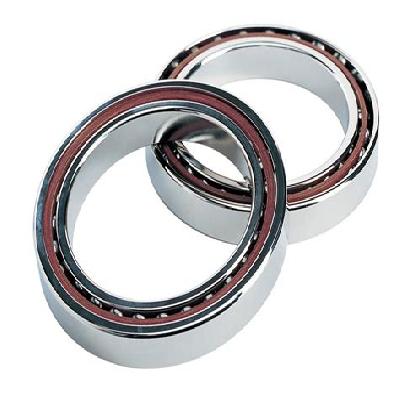
Machine tool bearings are designed to support heavy loads and reduce friction in industrial machinery, such as lathes, milling machines, and grinders. They consist of a rolling element, typically a ball or roller, that rotates between two bearing rings, allowing the shaft to rotate smoothly.
Where To Use Machine Tool Bearings
Machining centers and lathes
Grinders and milling machines
Drilling and tapping machines
Pneumatic and hydraulic machinery
Key Features Of Machine Tool Bearings
High load-carrying capacity
Low friction and vibration
Long service life and durability
Resistance to wear and corrosion
How To Use Machine Tool Bearings
Ensure proper installation and alignment
Lubricate regularly to reduce friction
Maintain clean and dry environment
Regularly inspect for wear and damage
How Machine Tool Bearings Is Manufactured
Machine tool bearings are manufactured using high-precision machinery and materials, including steel and ceramic. The process involves cutting and grinding the bearing rings to precise specifications, followed by assembly with the rolling element.
Technical Specification Of Machine Tool Bearings
Bore Diameter:
50mm
Outer Diameter:
80mm
Width:
20mm
Load Capacity:
10,000N
The technical specification of machine tool bearings is critical to ensure proper function and longevity. The bore diameter, outer diameter, width, and load capacity must be precisely controlled during manufacturing to meet the demands of industrial machinery.
Description Of Machine Tool Bearings
Machine tool bearings are designed to provide high-performance support for industrial machinery, ensuring smooth rotation and reducing wear on moving parts.
Related Products & Synonyms Of Machine Tool Bearings
Machine tool bearings are often used in conjunction with other industrial products, such as gearboxes and motors. Some synonyms for machine tool bearings include: