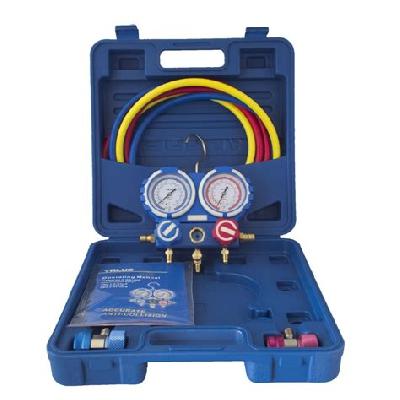
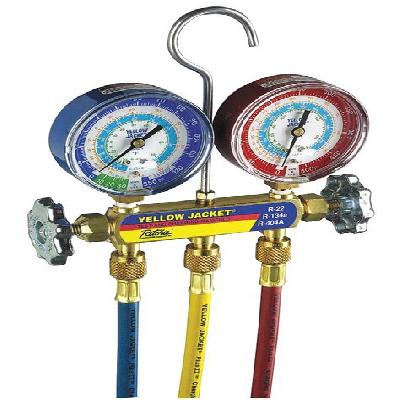
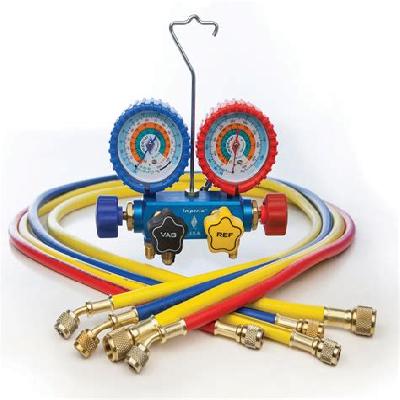
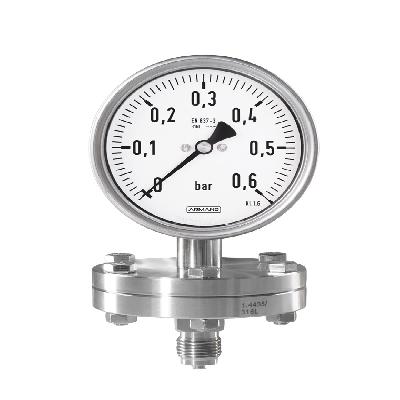
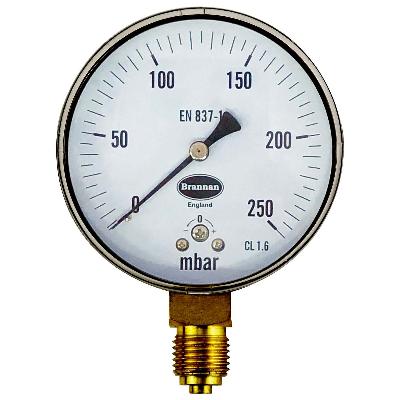
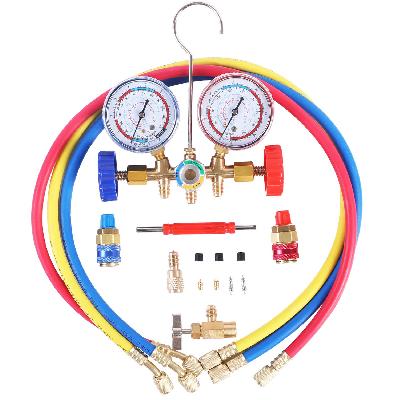
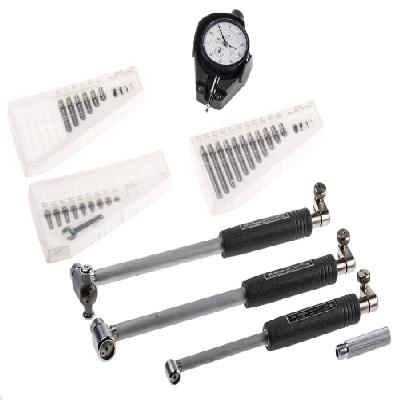
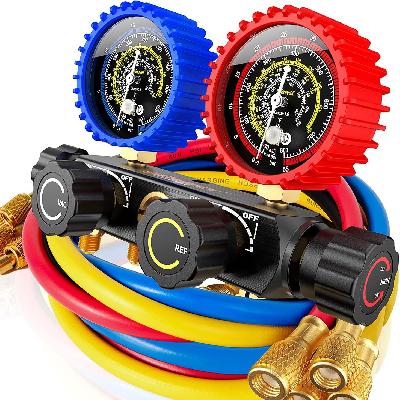
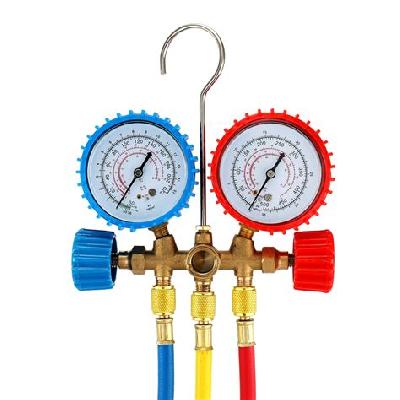
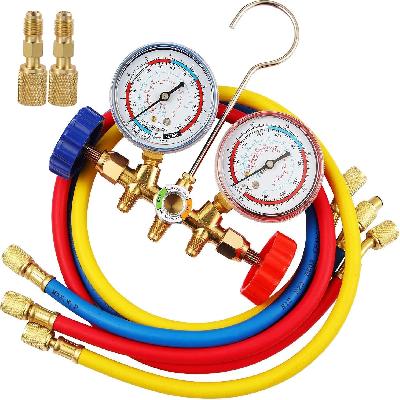
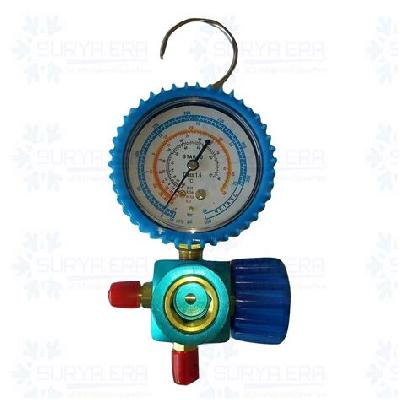
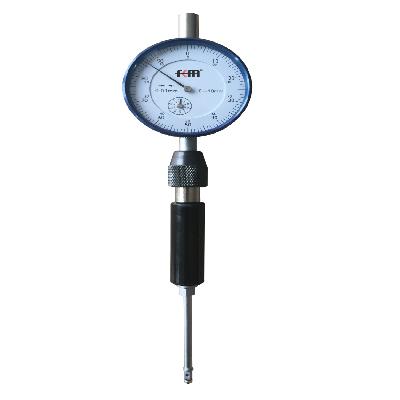
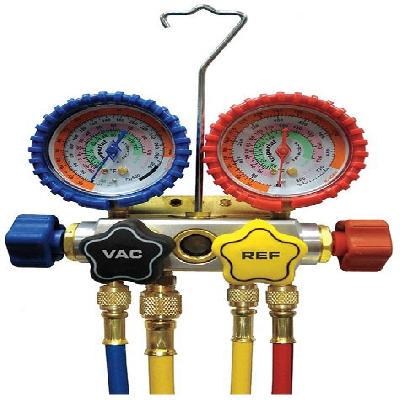
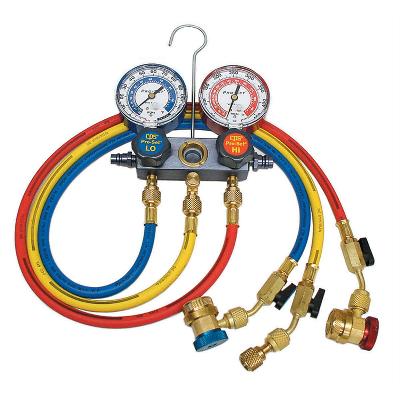
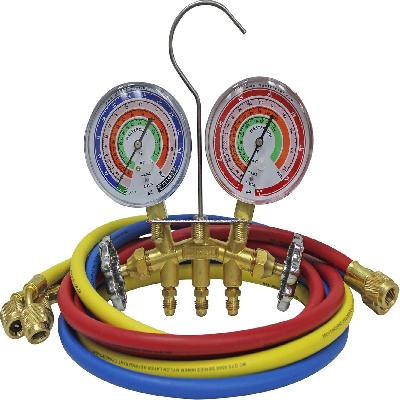
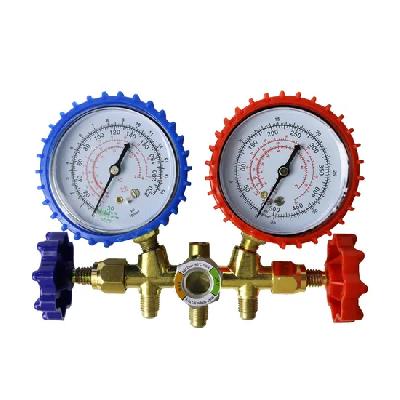
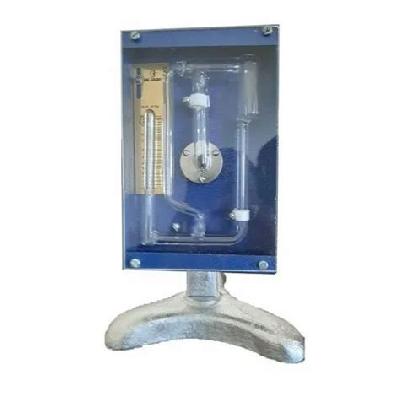
A manifold gauge is a type of measuring instrument used to monitor and control pressure in various industrial applications, particularly in refrigeration and HVAC systems.
Where To Use Manifold Gauge
Manifold gauges are commonly used in refrigeration systems, HVAC systems, and other industrial applications where precise pressure control is required.
Key Features Of Manifold Gauge
Accurate pressure measurement and control
Durable construction for long-lasting performance
Easy to read and maintain
Compatibility with various refrigerants and materials
How To Use Manifold Gauge
Install the manifold gauge in the refrigeration system or HVAC circuit
Connect the gauge to the relevant pressure points
Adjust the gauge according to the specific requirements of the system
Maintain and calibrate the gauge regularly for accurate readings
How Manifold Gauge Is Manufactured
Manifold gauges are manufactured using high-quality materials and advanced production techniques to ensure durability and accuracy.
Technical Specification Of Manifold Gauge
Pressure Range:
-10 to 500 psi
Refrigerant Compatibility:
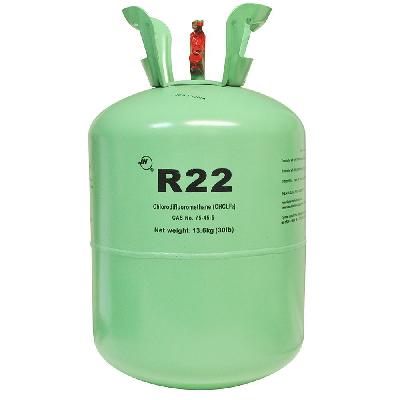
R-22, R-410A, and other common refrigerants
Material:
Stainless steel, brass, or aluminum
Hose Length:
3 to 10 feet
Gauge Size:
2.5 to 12 inches
Connection Type:
Schrader valve, NPT, or other common connections
The technical specifications of the manifold gauge ensure accurate and reliable pressure measurement and control in various industrial applications.
Description Of Manifold Gauge
A manifold gauge is a critical component in refrigeration and HVAC systems, providing precise pressure measurement and control.
Related Products & Synonyms Of Manifold Gauge
Manifold gauges are also known as manifold pressure gauges or manifold gages, and are often used in conjunction with other industrial products such as refrigerant meters and vacuum pumps.