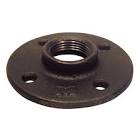
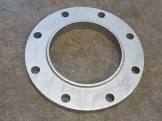
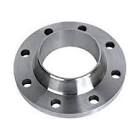
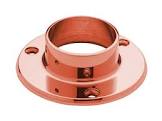
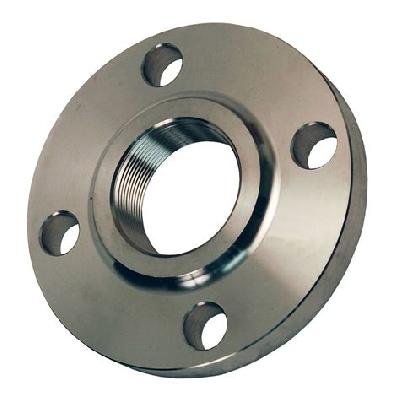
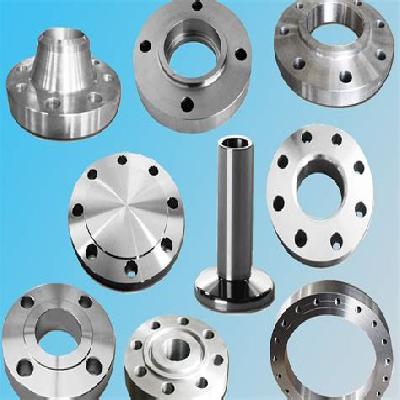
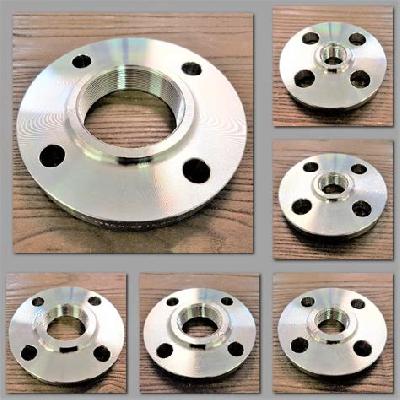
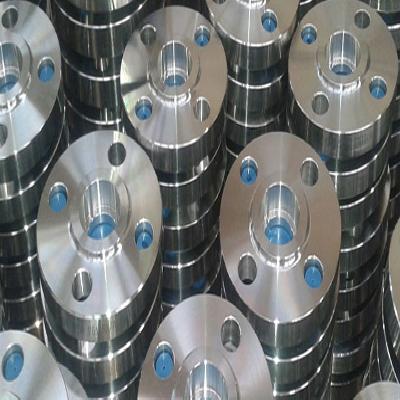
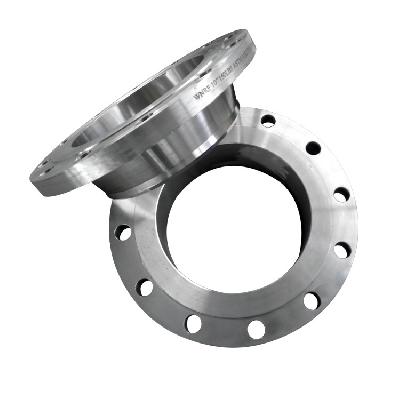
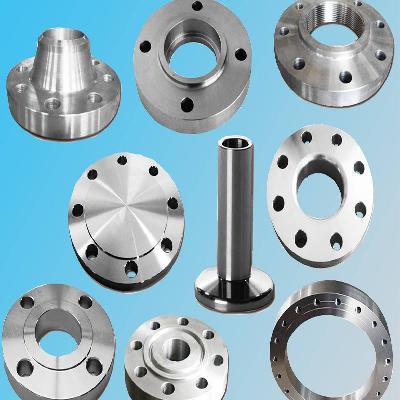
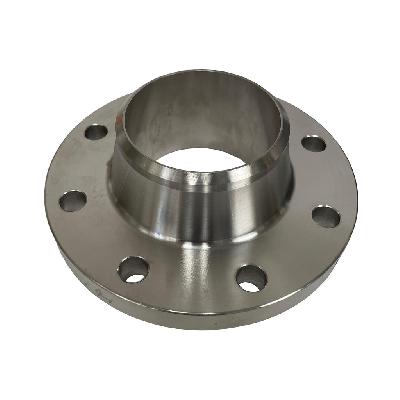
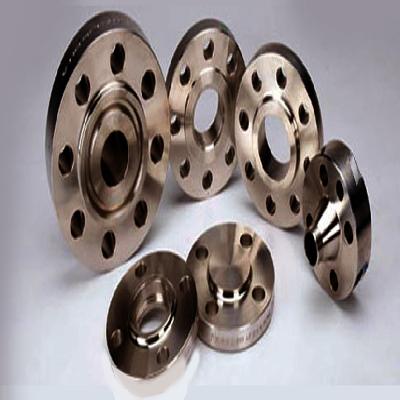
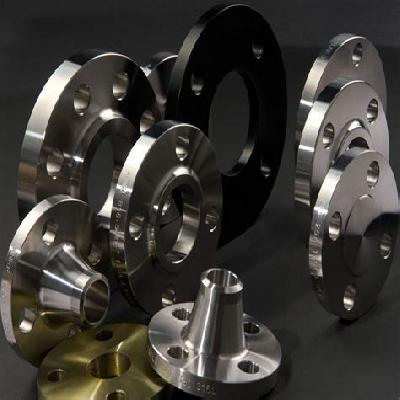
Metal flanges are a type of industrial fitting used to connect pipes, tubes, or other equipment in various industries.
Where To Use Metal Flanges
Metal flanges are used in various applications, including oil and gas pipelines, chemical processing plants, power generation stations, and water treatment facilities.
Key Features Of Metal Flanges
High strength and durability
Corrosion resistance
Easy installation and maintenance
Wide range of sizes and materials available
How To Use Metal Flanges
Select the correct size and material for your application
Clean and prepare the flange and pipe ends before assembly
Tighten the bolts evenly to ensure proper sealing
Inspect the flange regularly for signs of wear or damage
How Metal Flanges Is Manufactured
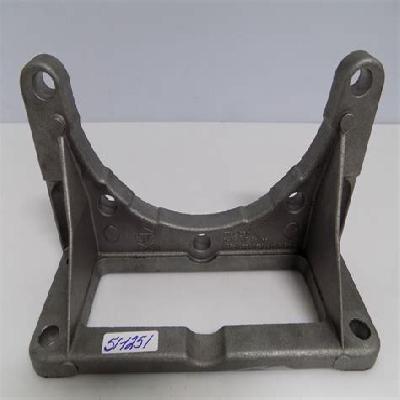
Metal flanges are manufactured using various processes, including casting, forging, and machining.
Technical Specification Of Metal Flanges
Material:
Carbon Steel, Stainless Steel, Brass
Size:
1/2" to 24"
Pressure Rating:
1500 psi to 10,000 psi
Temperature Rating:
-20°C to 250°C
Connection Type:
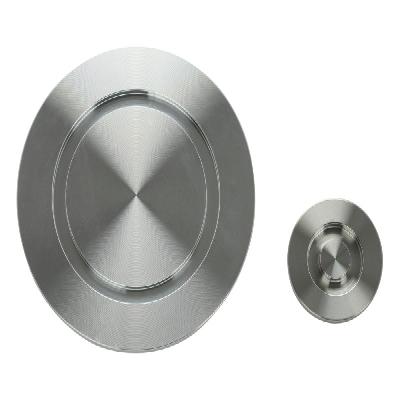
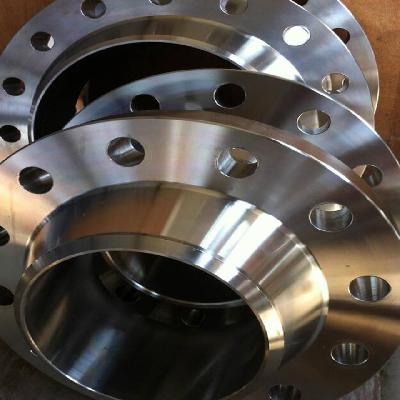
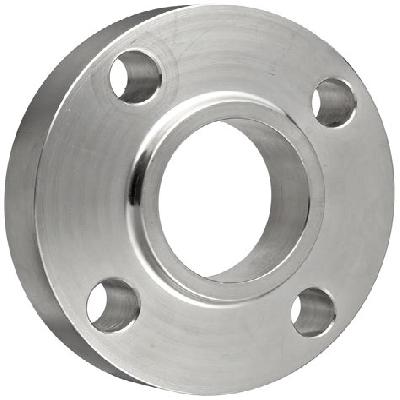
Slip-on, Weld-neck, Blind
The technical specifications of metal flanges are critical in ensuring their proper function and performance in various industrial applications.
Description Of Metal Flanges
Metal flanges are industrial fittings used to connect pipes, tubes, or other equipment in various industries.
Related Products & Synonyms Of Metal Flanges
Some related products of metal flanges include Iron Flange, Aluminum Flanges, Nickel Flanges, and Copper Flanges.
Iron Flange: A type of flange made from iron alloy
Aluminum Flanges: A type of flange made from aluminum alloy
Nickel Flanges: A type of flange made from nickel alloy
Copper Flanges: A type of flange made from copper alloy