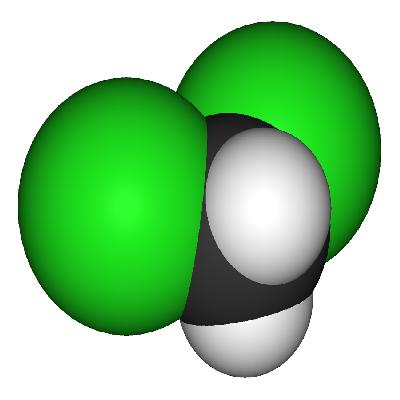
Methylene chloride, also known as dichloromethane, is a colorless, volatile liquid with a characteristic sweet odor. It is widely used in various industrial applications due to its solvent properties and low toxicity.
Where To Use Methylene Chloride
Methylene chloride is commonly used in paint removers, adhesives, cleaning agents, and pharmaceutical production. It is also utilized as a solvent in the manufacturing of plastics, resins, and other chemicals.
Key Features Of Methylene Chloride
Colorless liquid with a sweet odor
Highly soluble in most organic solvents
Lowers the boiling point of other substances
Used as a solvent, paint remover, and adhesive
How To Use Methylene Chloride
Use in well-ventilated areas to avoid inhalation
Mix with other solvents according to the required ratio
Avoid skin contact and wash hands thoroughly after use
Follow the recommended dosage for specific applications
How Methylene Chloride Is Manufactured
Methylene chloride is typically produced through the chlorination of methane in the presence of a catalyst, such as aluminum or iron. The resulting dichloromethane is then separated from other byproducts and purified for industrial use.
Technical Specification Of Methylene Chloride
Purity
99.5% minimum
Density
1.32 g/cm3 at 20°C
Melting Point
Color
Clear and colorless
The technical specifications of methylene chloride are crucial for ensuring its quality and performance in various industrial applications. The purity, density, melting point, and color of the substance must meet or exceed the minimum requirements to guarantee its effectiveness and safety.
Description Of Methylene Chloride
Methylene chloride is a versatile solvent with a wide range of applications in various industries. Its ability to dissolve and extract organic substances makes it an essential component in the production of pharmaceuticals, plastics, and other chemicals.
Related Products & Synonyms Of Methylene Chloride
Methylene chloride has several related products and synonyms, including: