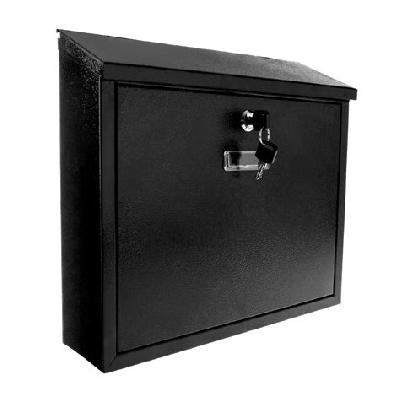
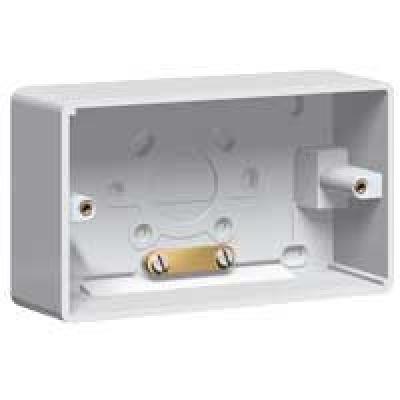
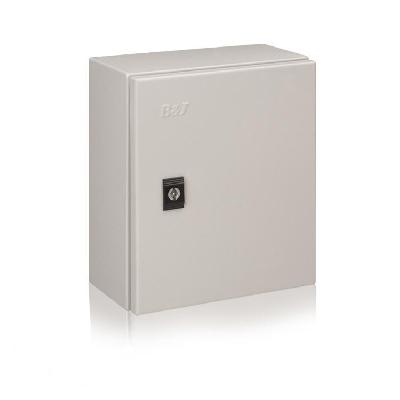
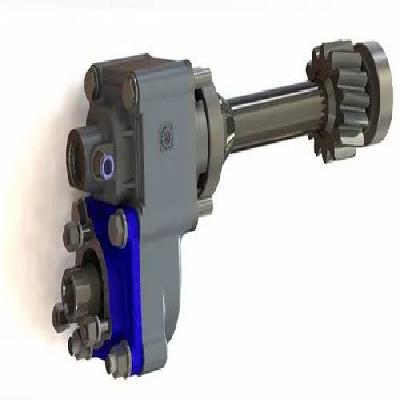
Mounting boxes are enclosures used to house and protect electrical components, such as circuit breakers, switches, and outlets, in various applications.
Where To Use Mounting Boxes
Mounting boxes are commonly used in residential and commercial electrical installations, such as in walls, ceilings, and floors, to provide a secure and protected environment for electrical components.
Key Features Of Mounting Boxes
Enclosure for electrical components
Protects against dust, moisture, and other environmental factors
Easy installation and mounting options
Available in various sizes and materials
How To Use Mounting Boxes
Select the correct size and material for the application
Cut a hole in the wall or ceiling according to the mounting box's dimensions
Mount the box securely using screws or other fastening methods
Install electrical components inside the box, following local electrical codes and regulations
How Mounting Boxes Is Manufactured
Mounting boxes are typically made from metal or plastic materials through various manufacturing processes, such as injection molding or sheet metal fabrication.
Technical Specification Of Mounting Boxes
Material:
Galvanized steel
Size (mm):
200 x 100
Depth:
50 mm
Number of Knockouts:
2
The technical specifications of mounting boxes, such as material, size, depth, and number of knockouts, are critical factors in ensuring the safe and reliable operation of electrical components.
Description Of Mounting Boxes
Mounting boxes are designed to provide a secure and protected environment for electrical components in various applications.
Related Products & Synonyms Of Mounting Boxes
Some related products to mounting boxes include electrical enclosures, junction boxes, and conduit boxes.
Synonyms for mounting boxes include electrical housing, box enclosures, and electrical compartments.