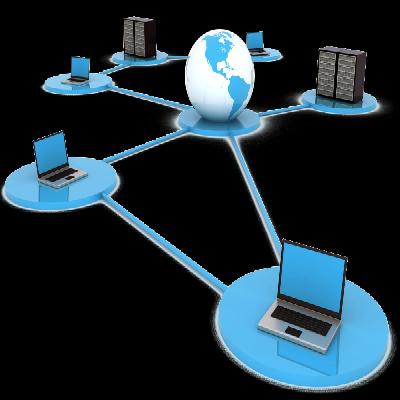
Network service provider is a type of organization that provides various networking services to clients. These services can include internet connectivity, data transfer, network setup and maintenance, and more. The provider offers these services on a rental or subscription basis, allowing clients to access the necessary infrastructure without having to invest in it themselves.
The network service provider typically has its own equipment and infrastructure in place, which is used to deliver the services to clients. This can include routers, switches, servers, and other networking hardware. The provider may also have a team of experts who are responsible for maintaining and troubleshooting the network, ensuring that it remains up and running smoothly.
One of the key benefits of using a network service provider is that it allows businesses to focus on their core operations rather than spending time and resources on setting up and maintaining their own network infrastructure. This can be particularly useful for small or medium-sized businesses that may not have the budget or expertise to set up and maintain their own network.
Where Is Network Service Provider Used
Network service providers are used in a variety of settings, including:
Large enterprises with complex networking needs
Small and medium-sized businesses that require reliable internet connectivity
Remote or distributed teams that need to access shared resources
Events and conferences that require temporary network setup
Emergency response situations where temporary network infrastructure is needed
Key Benefits Of Network Service Provider
The key benefits of using a network service provider include:
Cost savings by not having to invest in and maintain own infrastructure
Reliability and uptime, with experts handling maintenance and troubleshooting
Flexibility and scalability, with ability to adjust capacity as needed
Access to latest technology and innovations in networking
Reduced risk of downtime and data loss due to equipment failure or human error
How Network Service Provider Rental Process Works
The rental process for a network service provider typically involves the following steps:
Initial consultation to discuss client's networking needs and requirements
Detailed proposal outlining scope of work, costs, and timelines
Agreement signed by both parties outlining terms and conditions
Equipment setup and configuration, with testing to ensure smooth operation
Ongoing maintenance and support, with regular check-ins and updates
Rental period ends, with equipment returned or option to extend
Service Coverage & Availability
Our network service provider offers coverage and availability in the following areas:
Major metropolitan cities and towns
Rural and remote areas, with satellite connectivity options available
International locations, with partnerships with local providers
24/7 technical support, with rapid response times for emergency situations
Available Equipment & Technical Capabilities
We have a range of equipment and technical capabilities available to meet client needs, including:
Routers, switches, servers, and other networking hardware
High-speed internet connectivity options, including fibre and wireless
Specialized equipment for specific industries or applications
Expertise in network setup, configuration, and maintenance
Why Choose Network Service Provider
There are many reasons why businesses choose our network service provider, including:
Reliability and uptime, with experts handling maintenance and troubleshooting
Flexibility and scalability, with ability to adjust capacity as needed
Cost savings by not having to invest in and maintain own infrastructure
Access to latest technology and innovations in networking
Rapid response times for emergency situations
Description Of Network Service Provider
Our network service provider is a leading provider of networking services, with a focus on delivering reliable and high-quality solutions to clients. With a team of experts and state-of-the-art equipment, we offer a range of services including internet connectivity, data transfer, network setup and maintenance, and more.