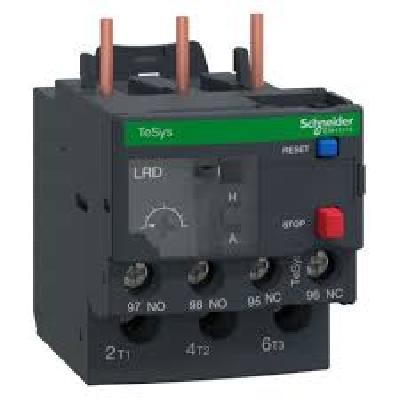
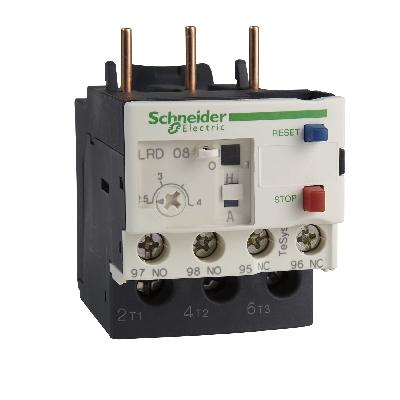
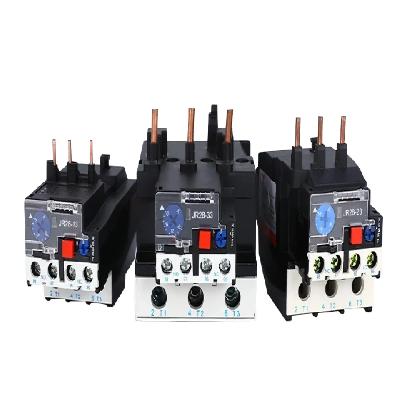
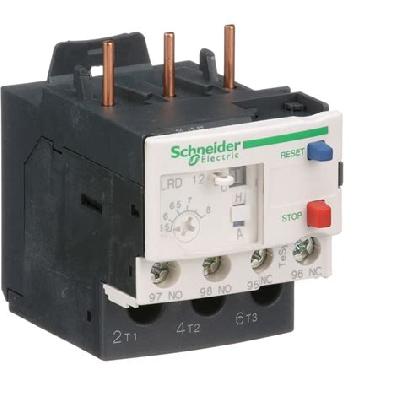
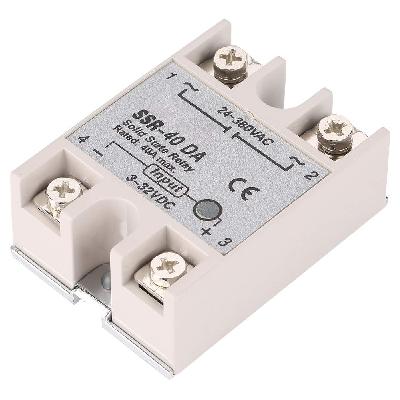
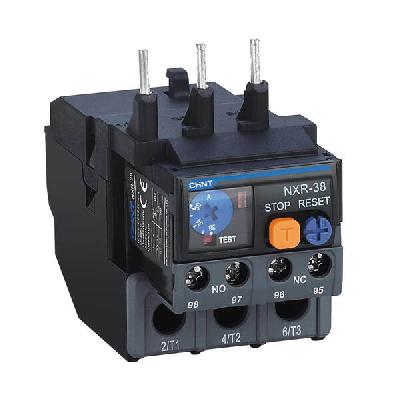
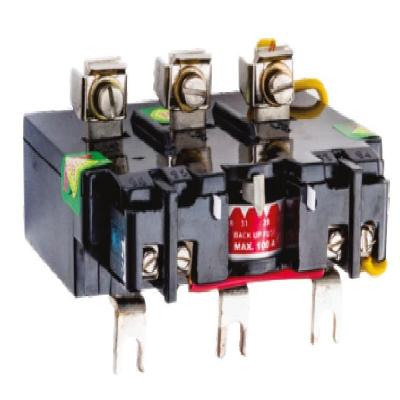
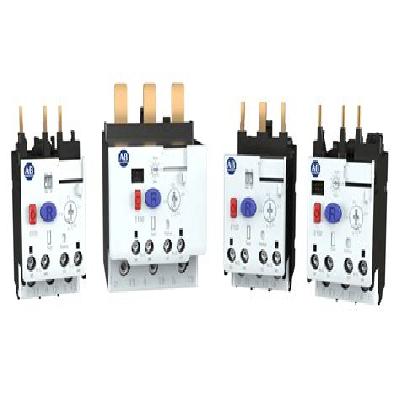
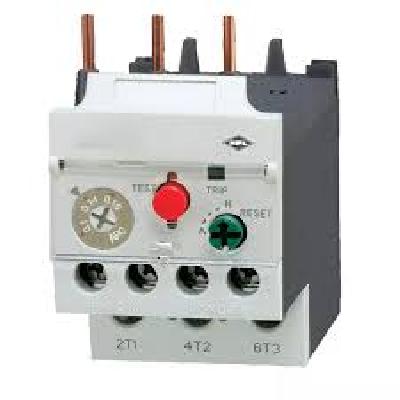
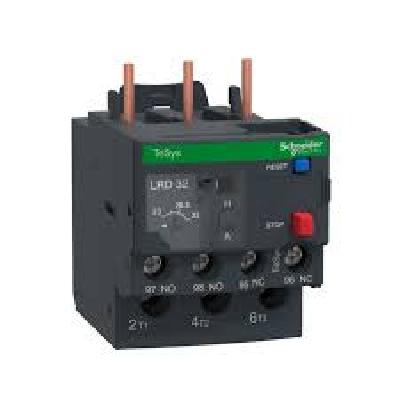
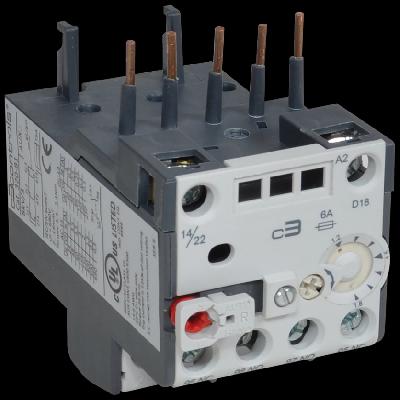
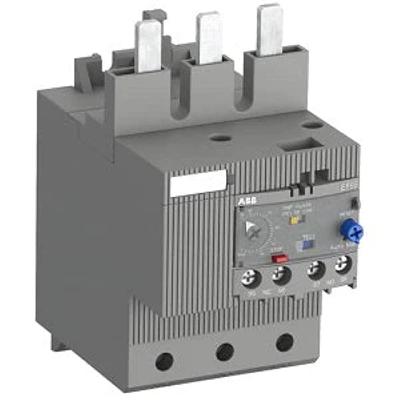
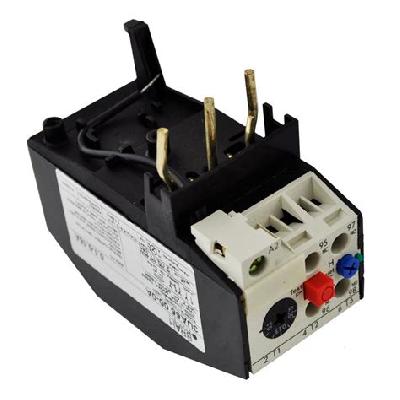
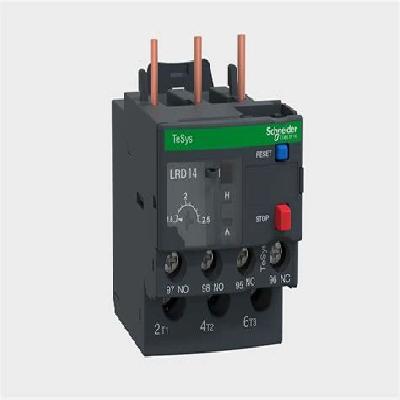
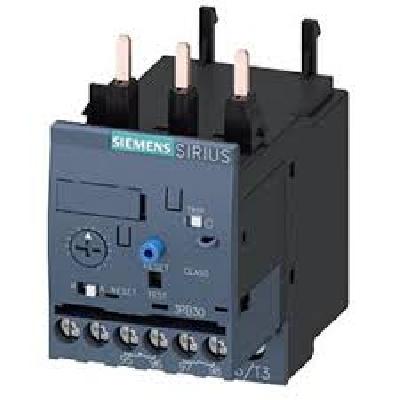
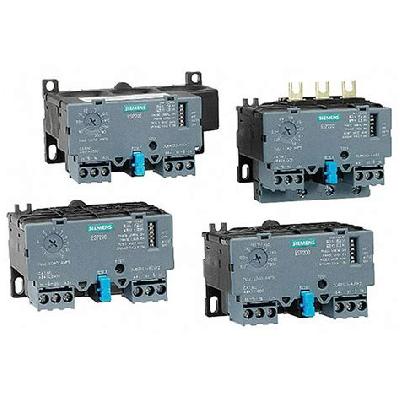
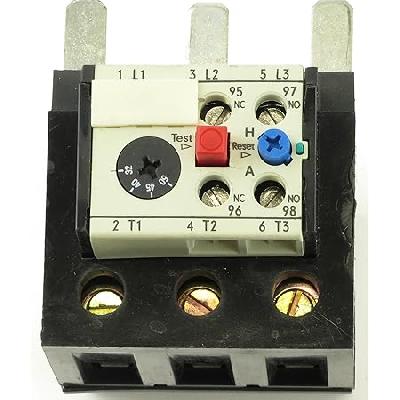
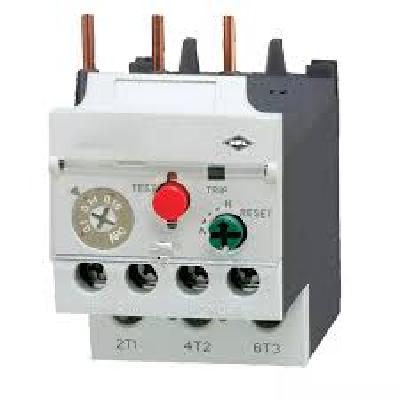
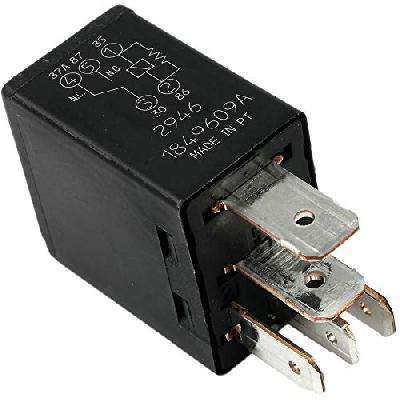
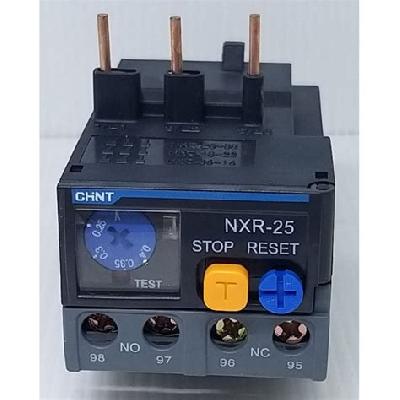
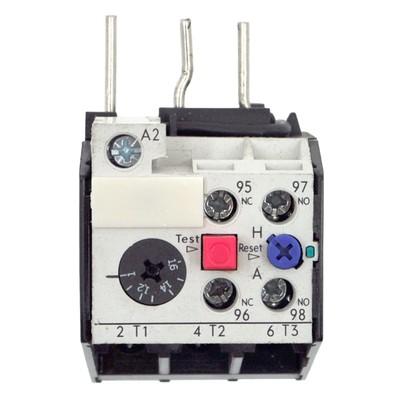
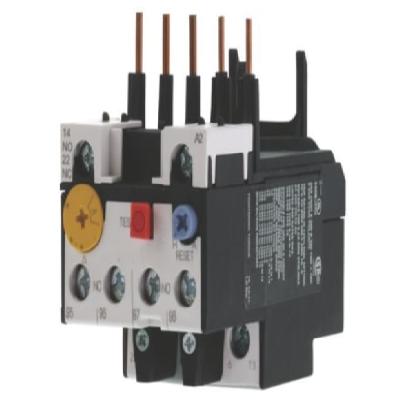
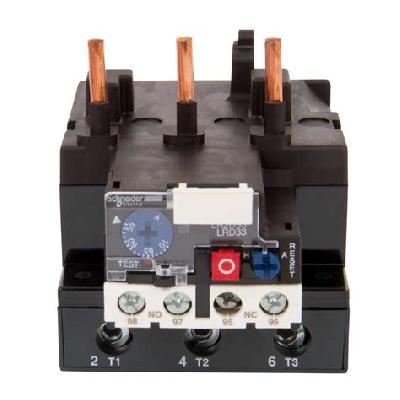
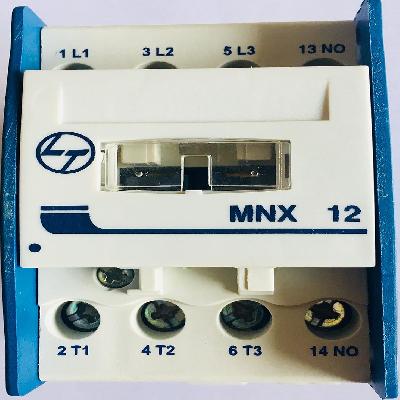
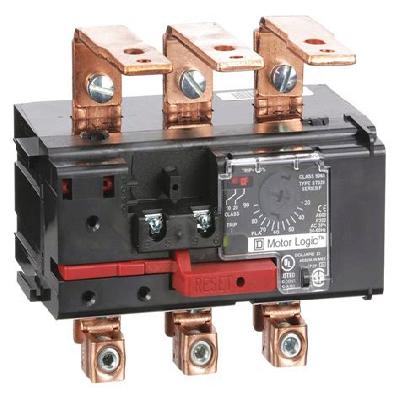
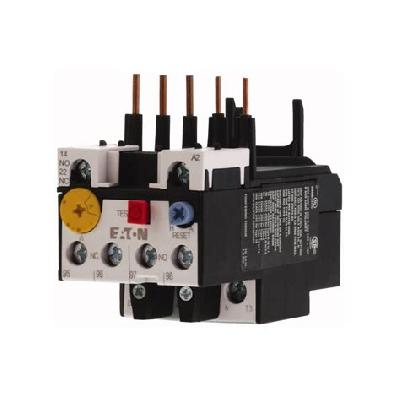
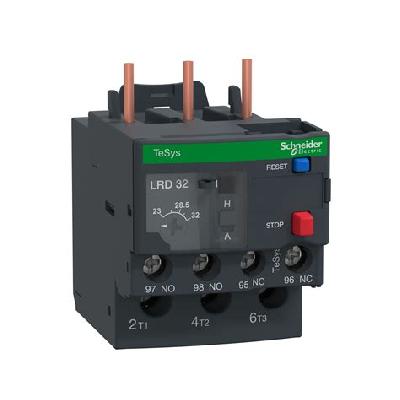
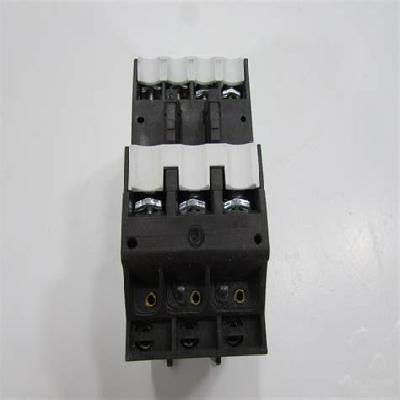
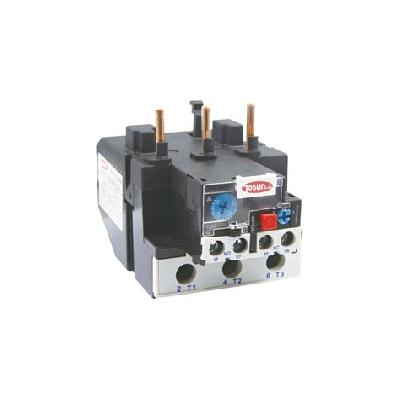
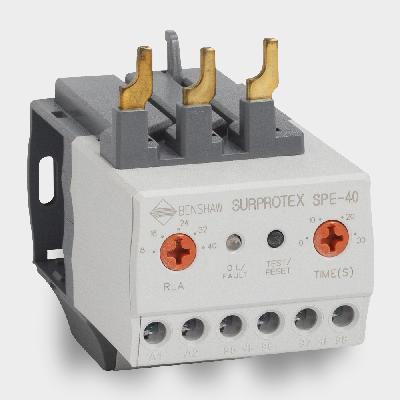
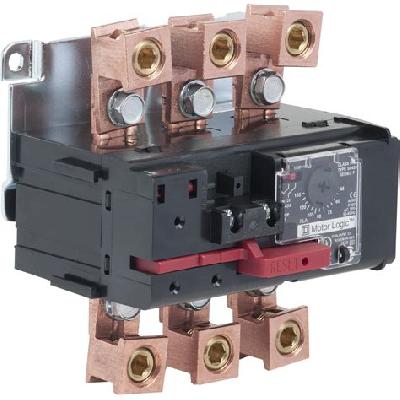
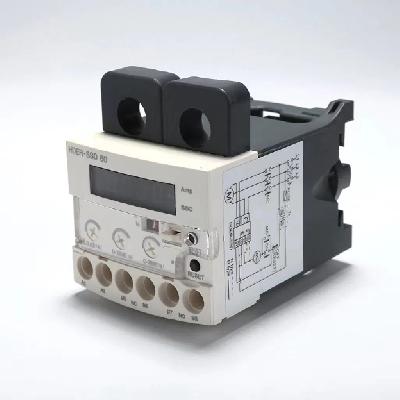
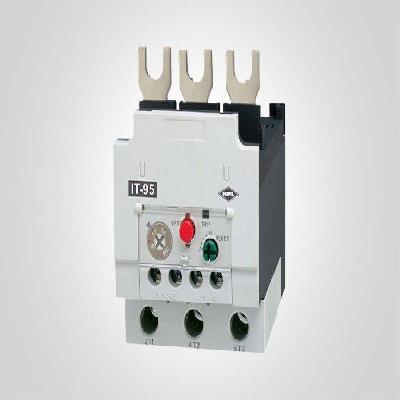
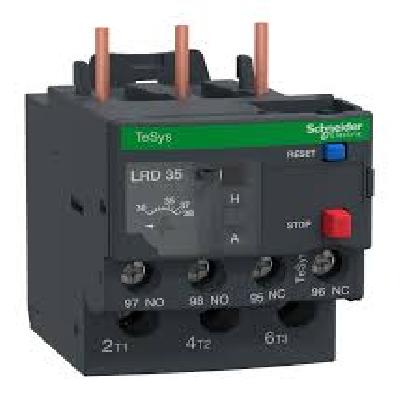
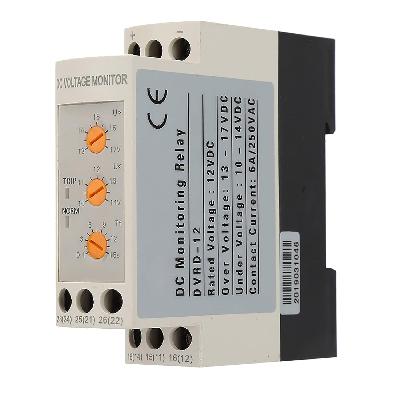
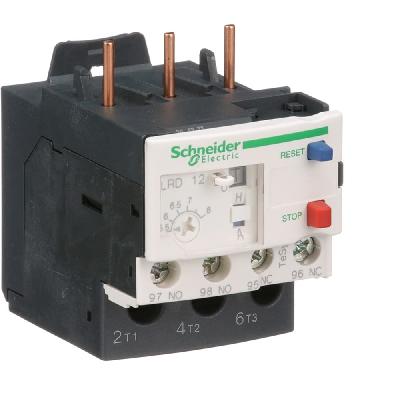
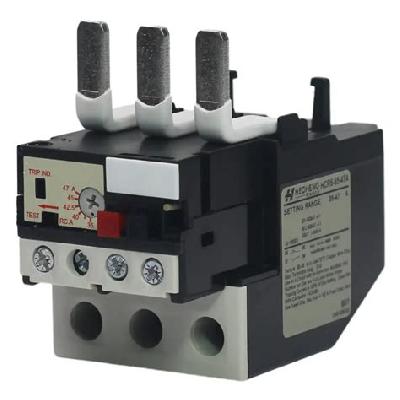
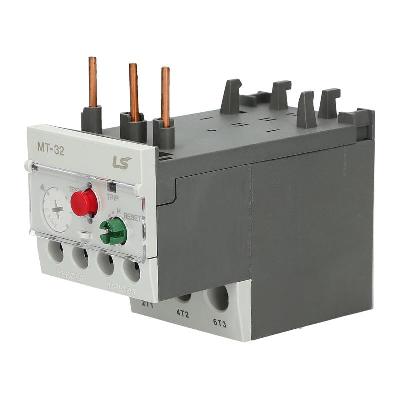
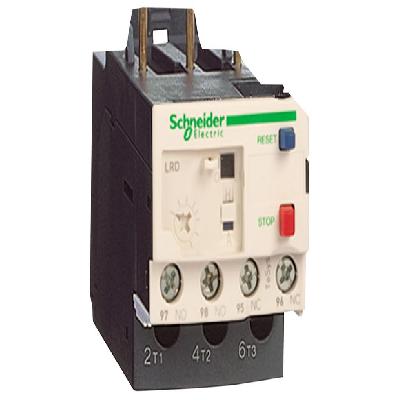
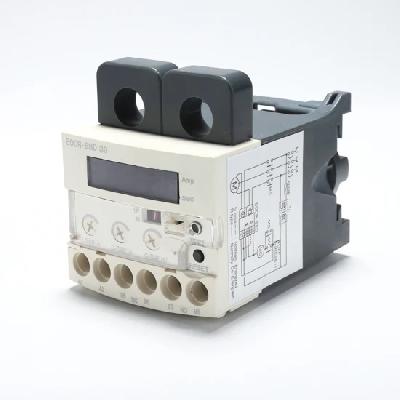
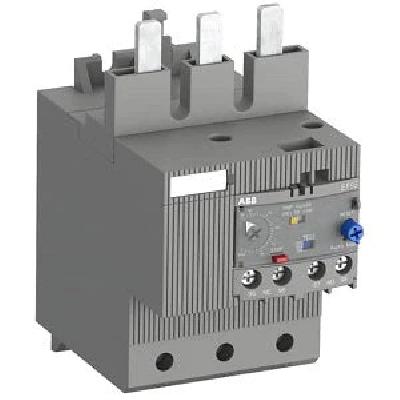
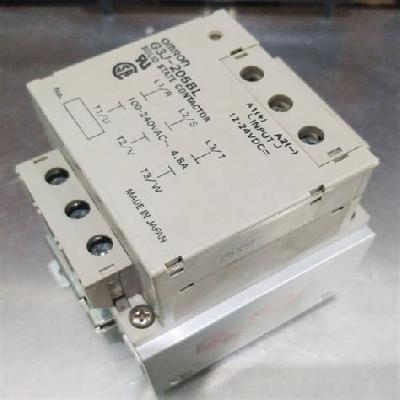
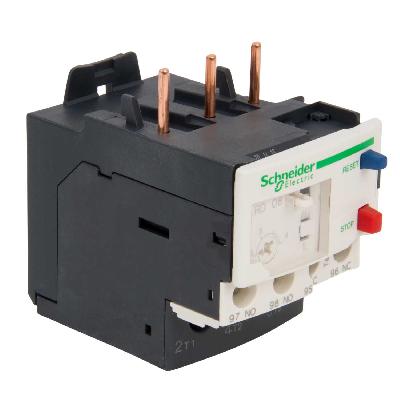
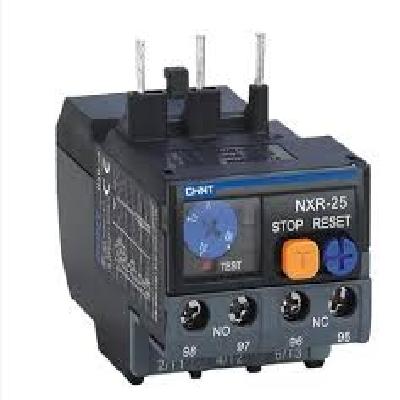
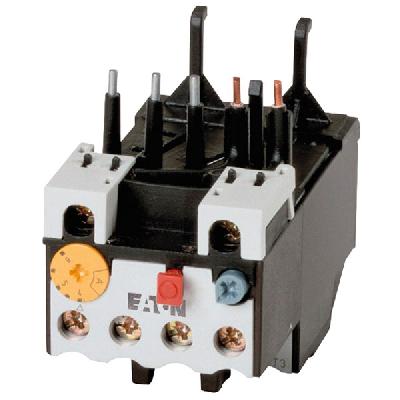
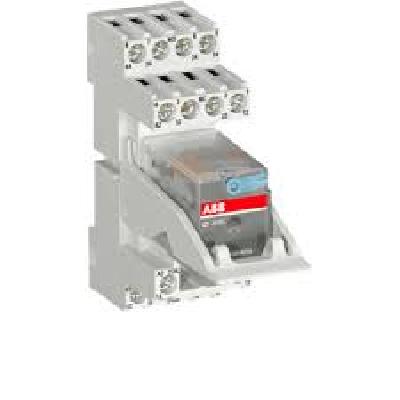
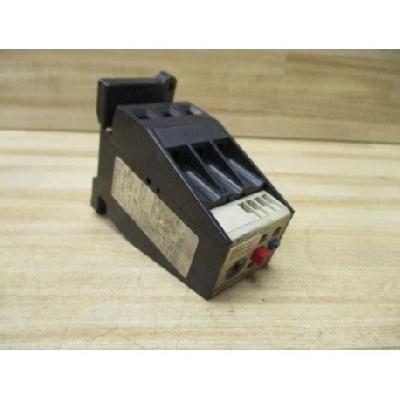
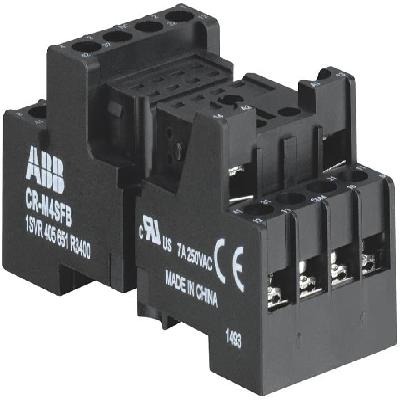
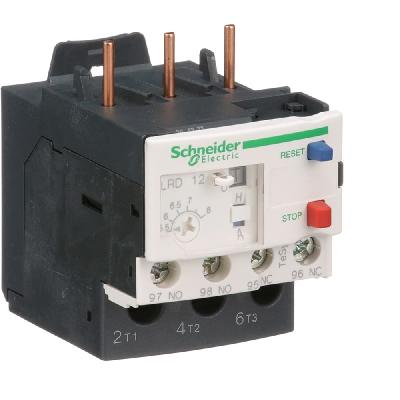
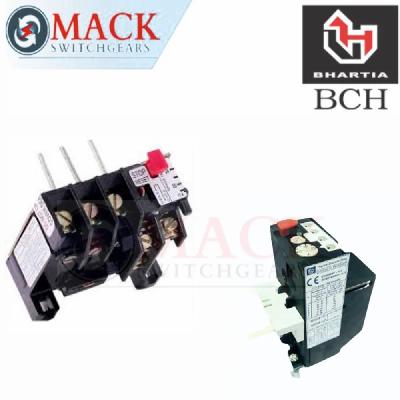
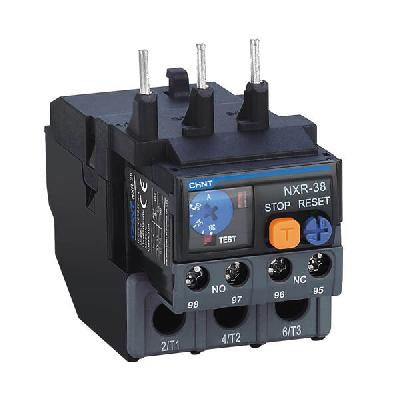
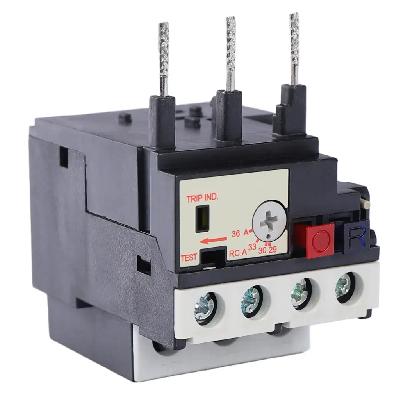
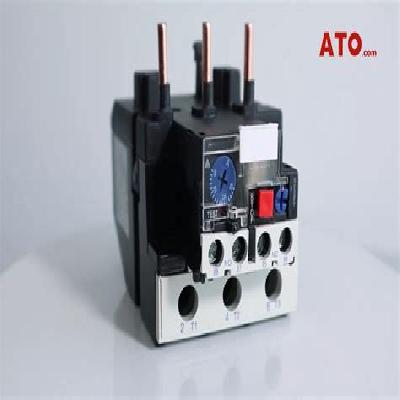
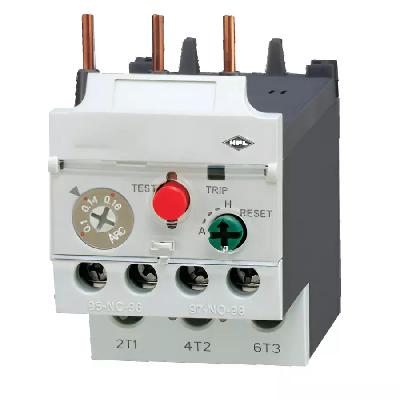
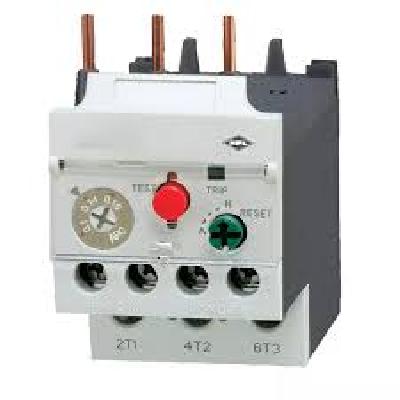
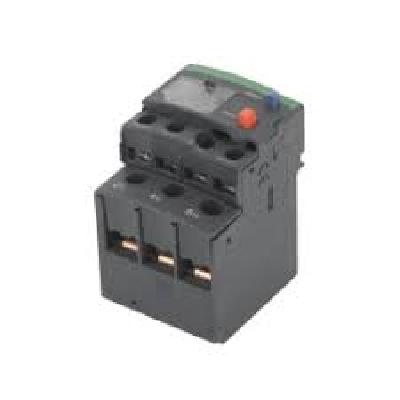
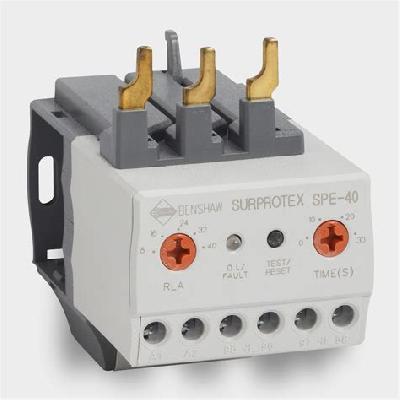
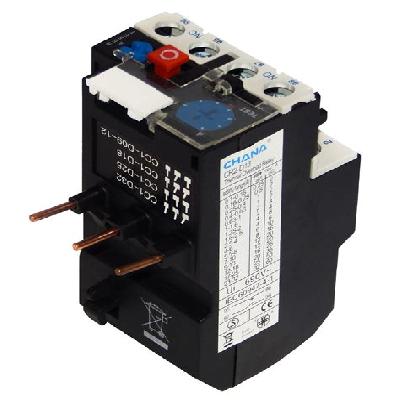
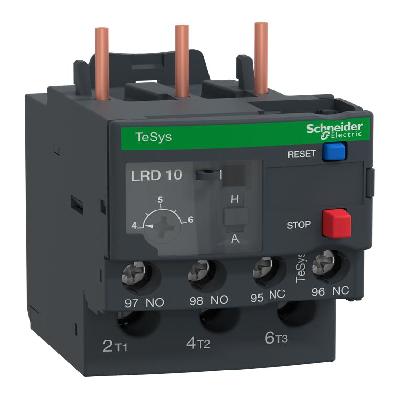
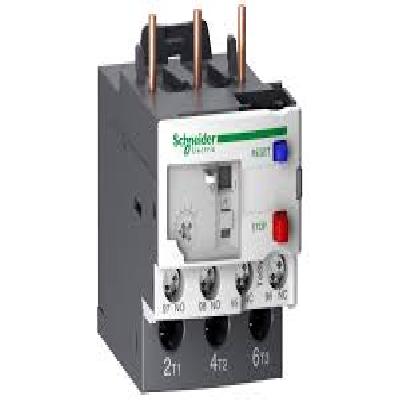
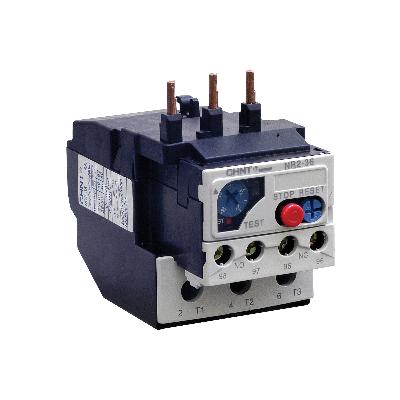
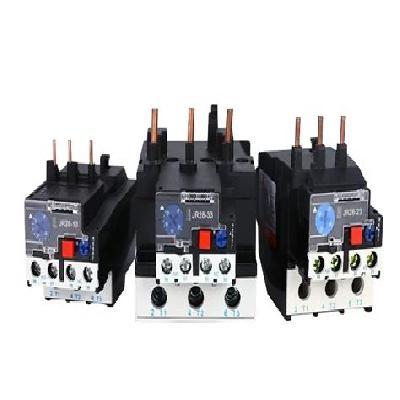
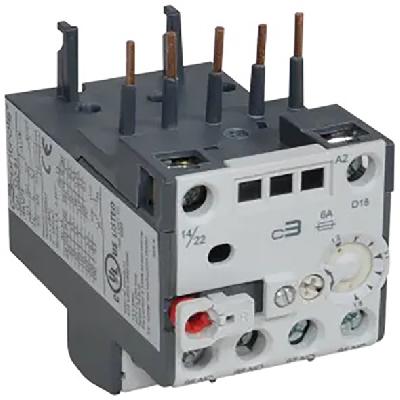
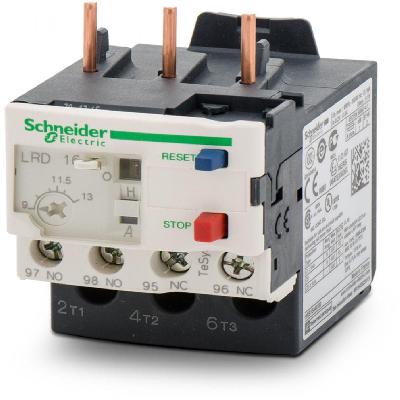
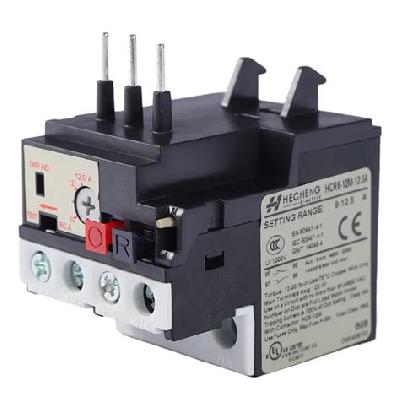
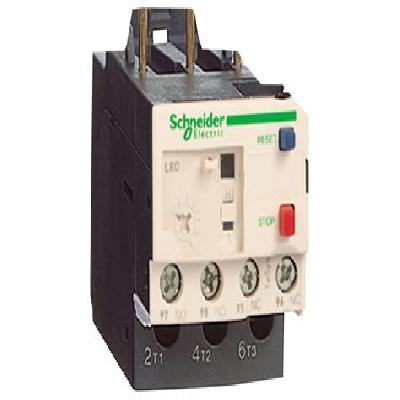
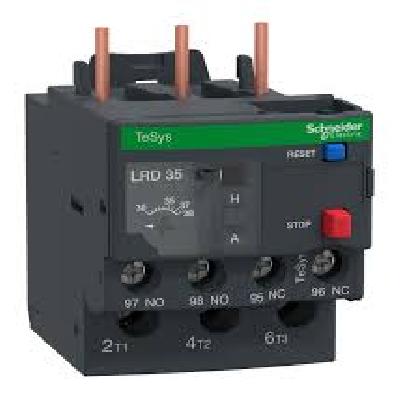
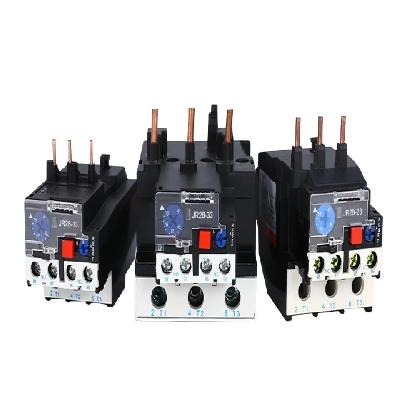
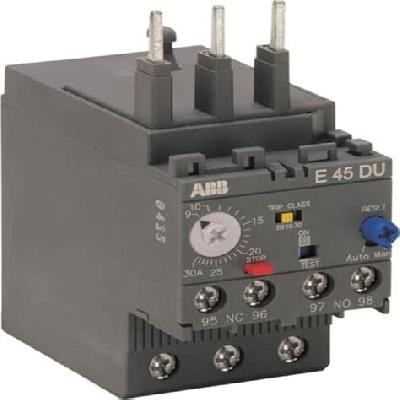
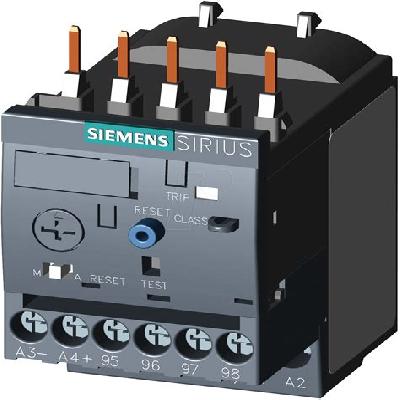
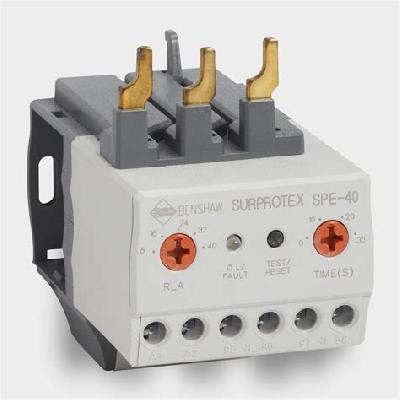
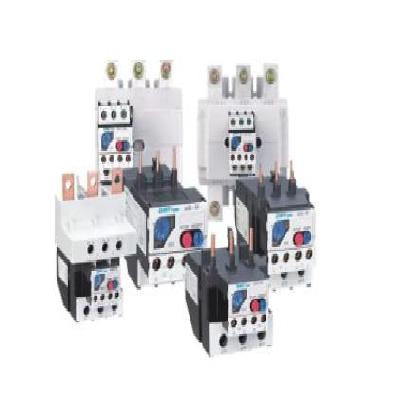
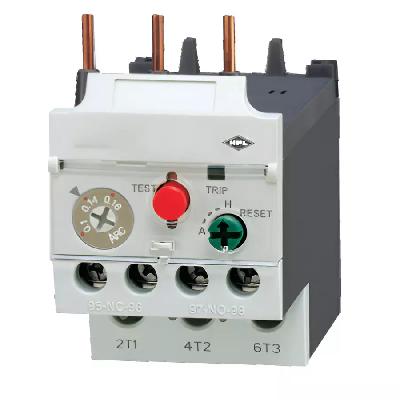
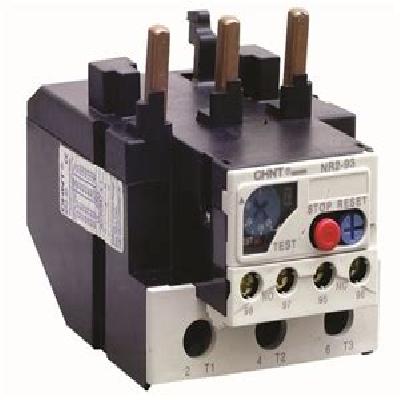
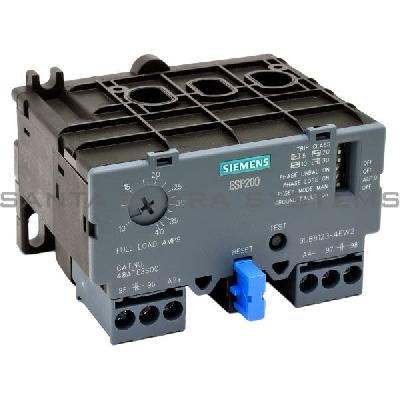
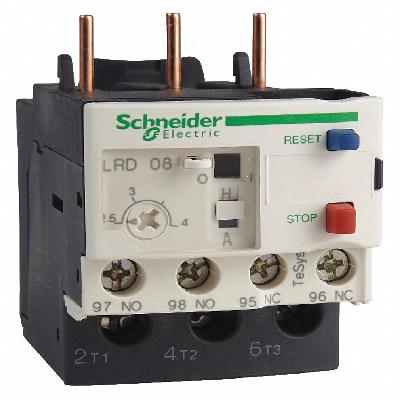
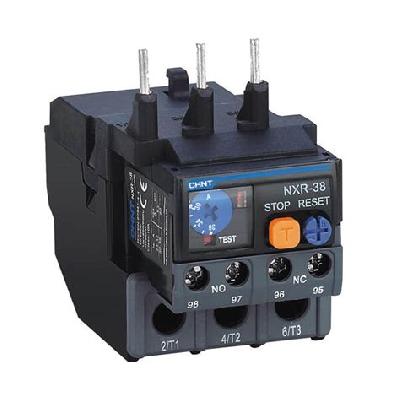
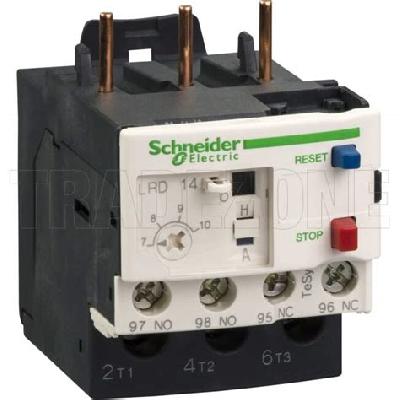
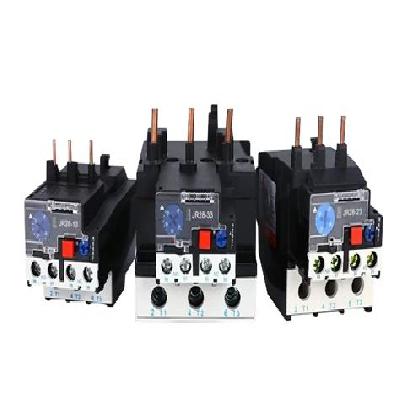
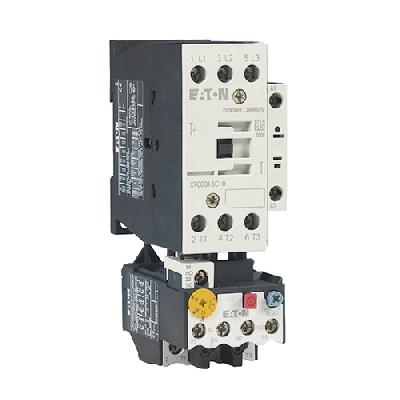
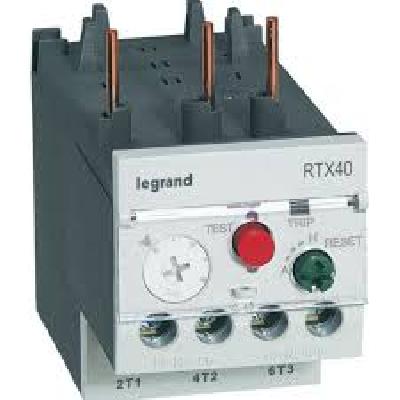
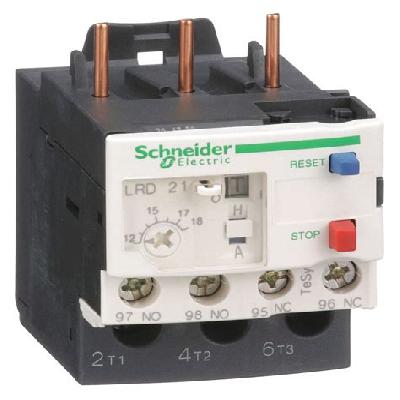
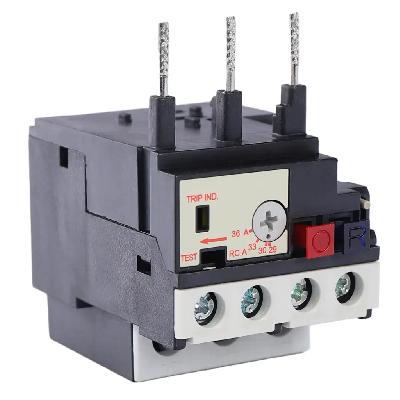
An overload relay is a device used to protect electrical circuits from damage caused by excessive current flow. It automatically disconnects the circuit when the current exceeds a predetermined level, preventing overheating and potential fires.
Where To Use Overload Relays
Industrial settings, such as factories and power plants.
Critical electrical systems, like those found in hospitals and data centers.
Systems with high current requirements, such as motor control circuits.
Key Features Of Overload Relays
High sensitivity and accuracy in detecting overloads.
Rapid response time to prevent damage from excessive current flow.
Reliability and durability in harsh industrial environments.
How To Use Overload Relays
Select the appropriate overload relay based on current range and voltage rating.
Install the relay according to manufacturer's instructions.
Set the trip point for the desired level of protection.
How Overload Relays Is Manufactured
The manufacturing process involves several stages, including design, prototyping, testing, and quality control. Materials used include high-quality metals and electronics components.
Technical Specification Of Overload Relays
Current Range:
10A - 500A
Voltage Rating:
240V - 690V
Mounting Type:
Panel mount, DIN rail
Operating Temperature:
-20°C to +60°C
The technical specification of overload relays is critical in ensuring the safe and reliable operation of electrical systems. The current range, voltage rating, mounting type, and operating temperature are all important factors to consider when selecting an overload relay.
Description Of Overload Relays
An overload relay is a device used to protect electrical circuits from damage caused by excessive current flow.
Related Products & Synonyms Of Overload Relays
Other products that are related to overload relays include circuit breakers and fuses.