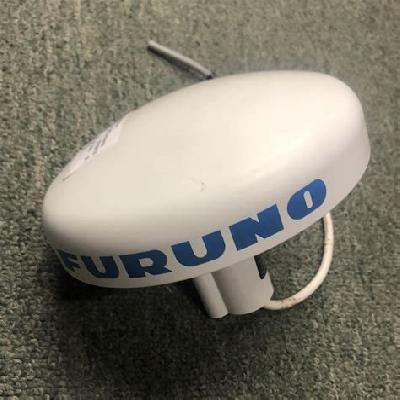
A patch antenna is a type of small, flat antenna designed for use in various applications such as telecommunications, radar systems, and wireless communication devices.
Where To Use Patch Antenna
Telecommunication systems
Radar systems
Wireless communication devices
Satellite communications
Key Features Of Patch Antenna
Compact size and lightweight
High gain and efficiency
Wide frequency range
Polarization flexibility
Low profile design
How To Use Patch Antenna
Mount the antenna on a suitable surface
Tune the antenna to the desired frequency range
Adjust the polarization for optimal performance
Connect the antenna to the required circuit or device
How Patch Antenna Is Manufactured
The manufacturing process of patch antennas typically involves the following steps:
Design and simulation
Material selection and preparation
Cutting and shaping the antenna elements
Assembly and testing
Technical Specification Of Patch Antenna
Frequency Range:
2-12 GHz
Gain Range:
5-20 dBic
Polarization:
Linear, Circular
Connector Type:
N, SMA, FME
The technical specifications of a patch antenna include its frequency range, gain range, polarization type, and connector type. The frequency range is typically between 2-12 GHz, with a gain range of 5-20 dBic. The antenna can be polarized linearly or circularly, and the connector type can be N, SMA, or FME. The specifications are designed to meet the requirements of various applications such as telecommunications, radar systems, and wireless communication devices.
Description Of Patch Antenna
A patch antenna is a type of small, flat antenna designed for use in various applications such as telecommunications, radar systems, and wireless communication devices. It consists of a thin metallic patch on a dielectric substrate, which is connected to a ground plane. The patch antenna is compact, lightweight, and has high gain and efficiency.