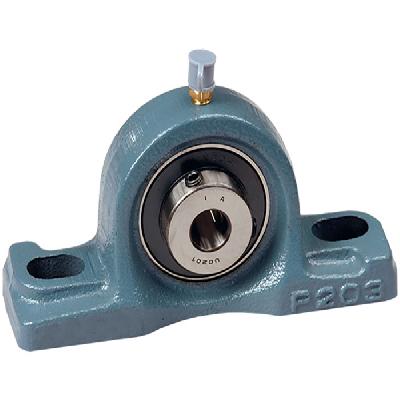
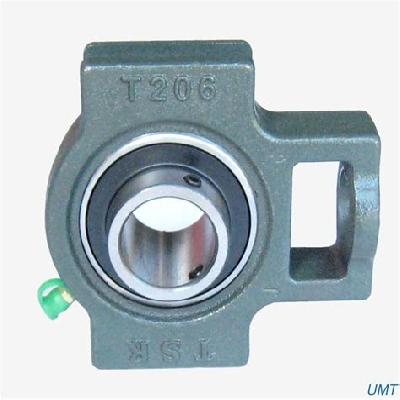
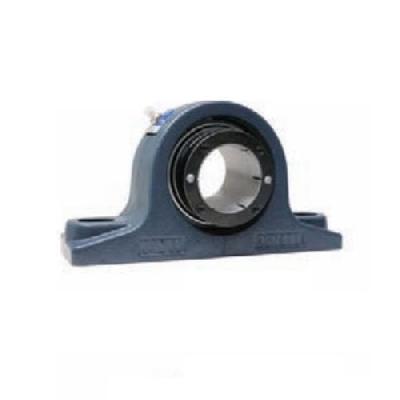
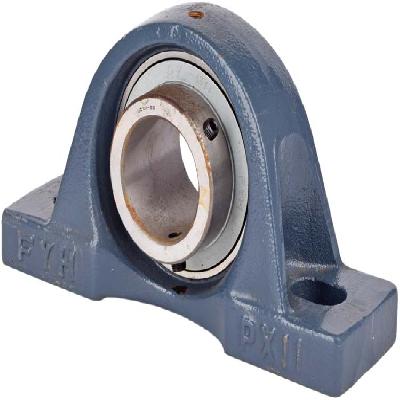
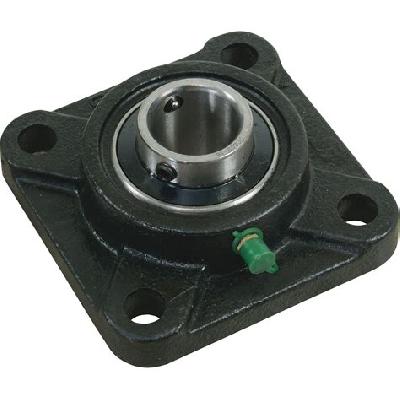
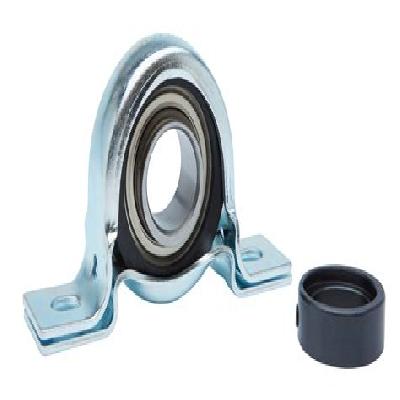
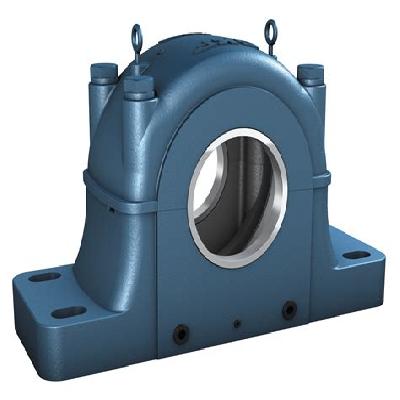
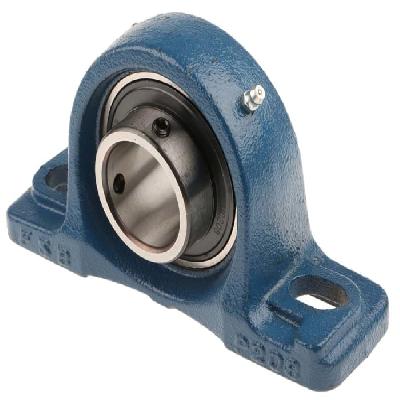
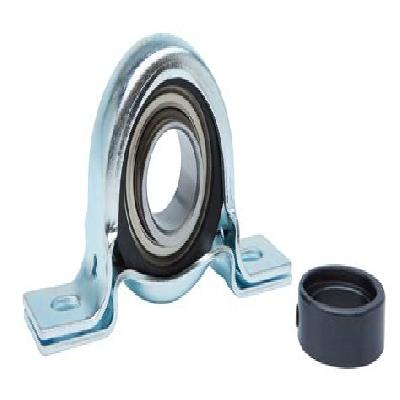
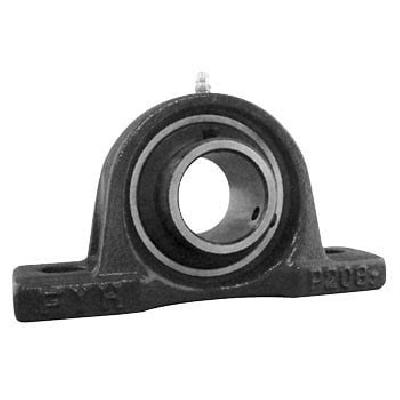
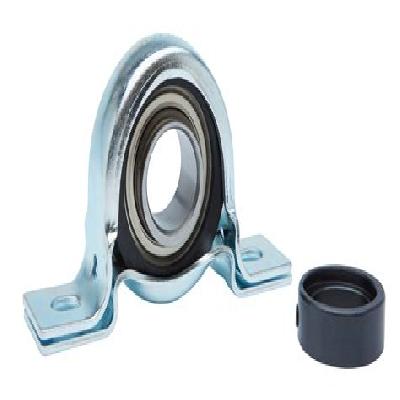
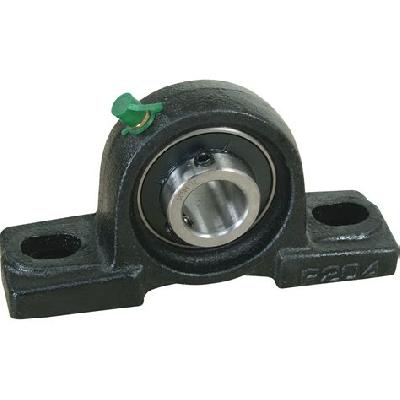
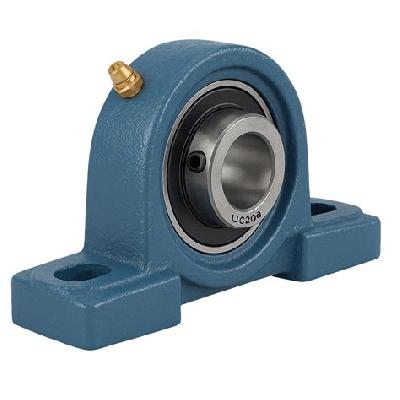
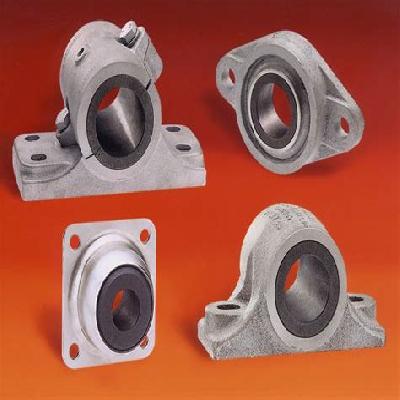
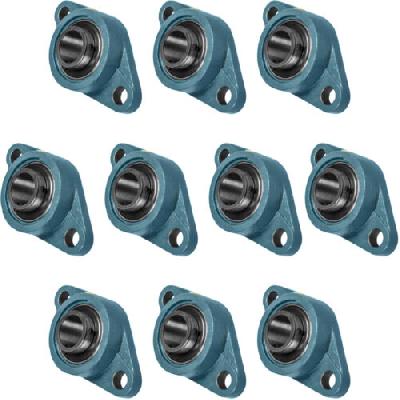
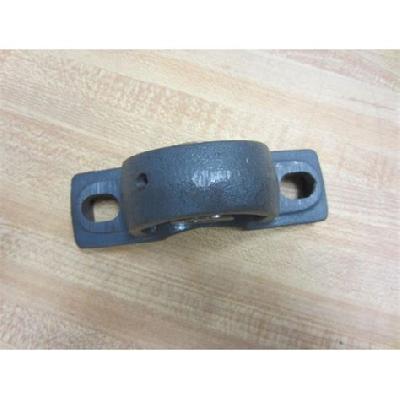
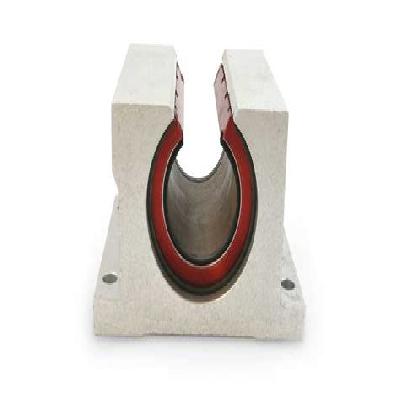
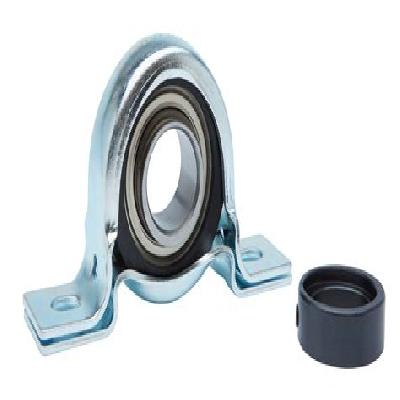
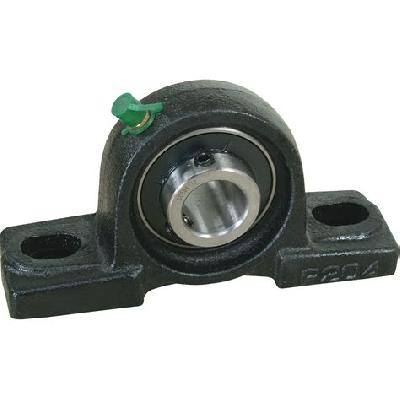
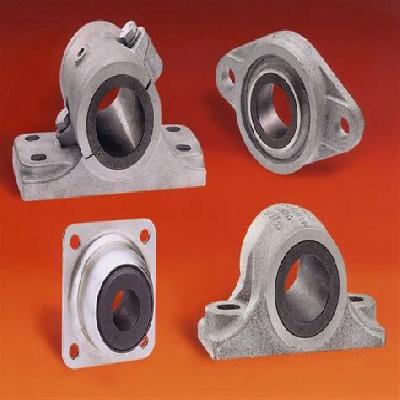
Pillow blocks are a type of bearing used to support rotating shafts and provide smooth movement in machinery.
Where To Use Pillow Blocks
Pillow blocks are commonly used in industrial machinery, such as conveyor belts and printing presses.
They can also be found in automotive applications, including wheel bearings and suspension systems.
Key Features Of Pillow Blocks
Bore diameter: The inner diameter of the pillow block, which determines the size of the bearing.
Housing length and width: The dimensions of the pillow block's housing, which provides support for the shaft.
Load capacity: The maximum weight that the pillow block can support without failing.
How To Use Pillow Blocks
Install the pillow block on a flat surface, ensuring proper alignment with the shaft.
Apply a suitable lubricant to the bearing and shaft to reduce friction and wear.
How Pillow Blocks Is Manufactured
Pillow blocks are manufactured using high-quality materials, such as steel and bronze, through a process of machining and assembly.
Technical Specification Of Pillow Blocks
Bore Diameter:
10-50 mm
Housing Length and Width:
20-100 mm x 15-60 mm
Load Capacity:
5-500 kg
The technical specifications of pillow blocks are crucial in determining their suitability for a particular application. The bore diameter, housing length and width, and load capacity must be carefully selected to ensure proper functionality and durability.
Description Of Pillow Blocks
Pillow blocks are a type of bearing used to support rotating shafts and provide smooth movement in machinery. They consist of an outer housing and an inner bearing, which allows for free rotation while maintaining stability.
Related Products & Synonyms Of Pillow Blocks
The related products of pillow blocks include other types of bearings, such as ball bearings and roller bearings. The synonyms of pillow blocks include bearing housing, bearing block, and support.