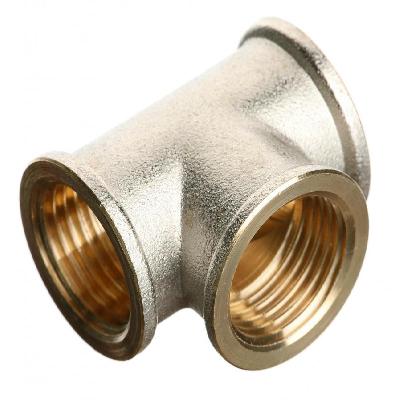
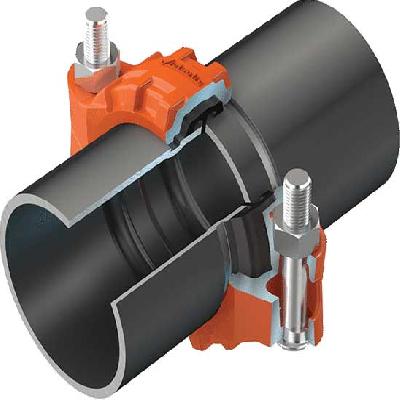
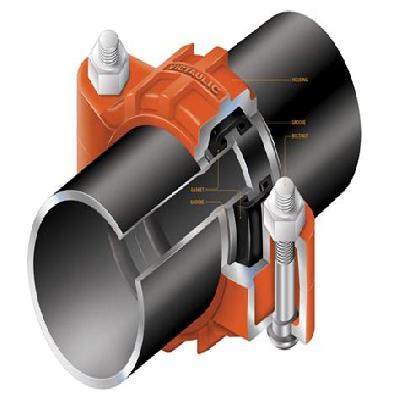
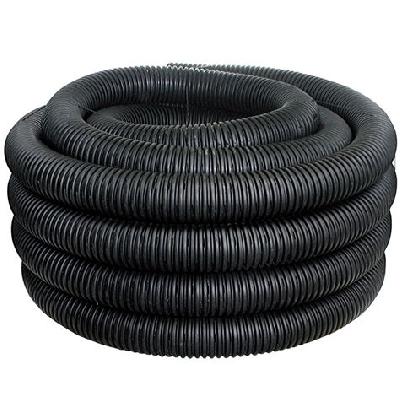
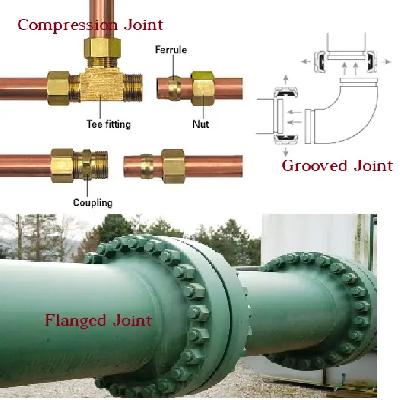
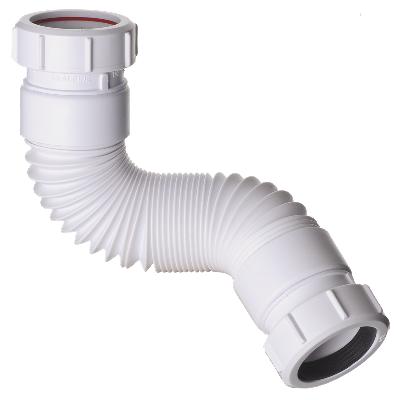
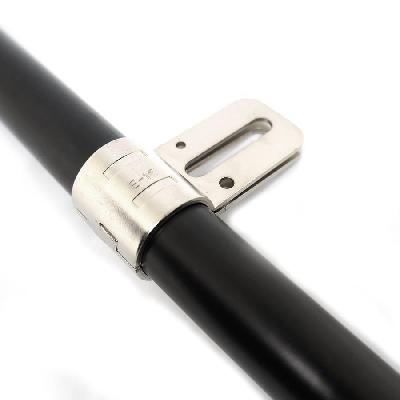
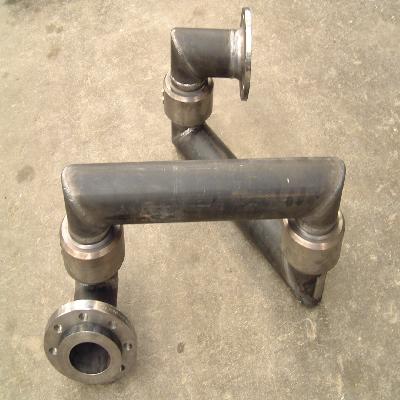
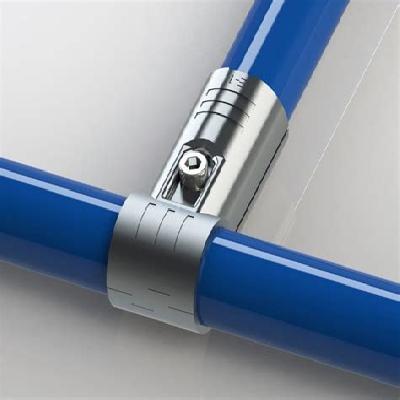
Pipe joints are connectors used to link together pipes, allowing for the transfer of fluids or gases under pressure.
Where To Use Pipe Joints
Pipeline construction and maintenance
Industrial processes requiring fluid transfer
High-pressure applications such as hydraulic systems
Civil engineering projects including water and gas distribution networks
Key Features Of Pipe Joints
High-strength, leak-resistant connections
Durable materials suitable for various operating temperatures and pressures
Easy installation and maintenance
Compatibility with a range of pipe diameters and materials
How To Use Pipe Joints
Inspect the pipe and joint surfaces for cleanliness and damage
Apply a suitable sealant or gasket to ensure a secure connection
Tighten the joint securely, following the manufacturer's instructions
Test the joint under pressure to verify its integrity
How Pipe Joints Is Manufactured
Pipe joints are manufactured using a combination of materials, including metals and polymers. The manufacturing process typically involves cutting and machining the joint components to precise dimensions.
Technical Specification Of Pipe Joints
Material:
Carbon Steel
Diameter:
1/2 inch to 12 inches
Pressure Rating:
Up to 10,000 PSI
Temperature Range:
-20°C to 200°C
Length:
Custom lengths available upon request
The technical specification of pipe joints is critical to ensuring the safe and efficient transfer of fluids or gases under pressure. The material, diameter, pressure rating, temperature range, and length of the joint must all be carefully selected to match the specific requirements of the application.