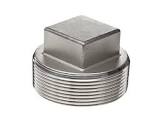
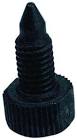
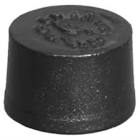
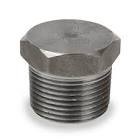
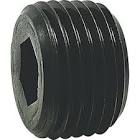
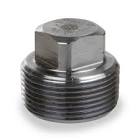
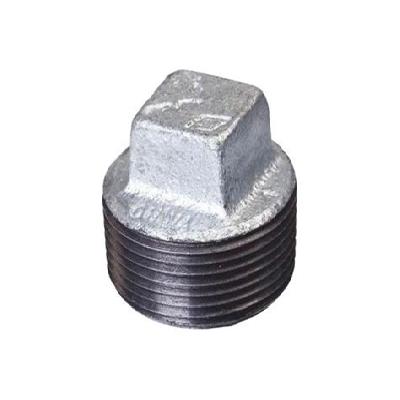
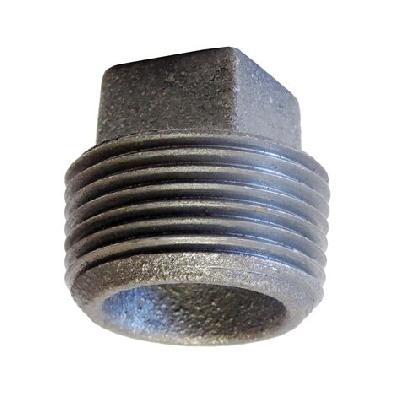
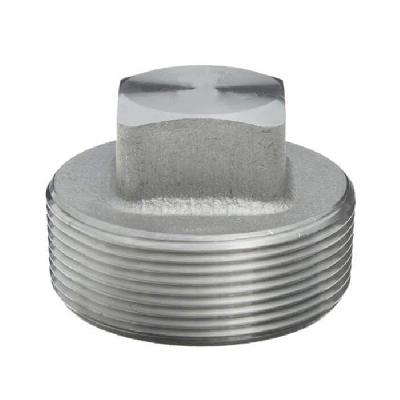
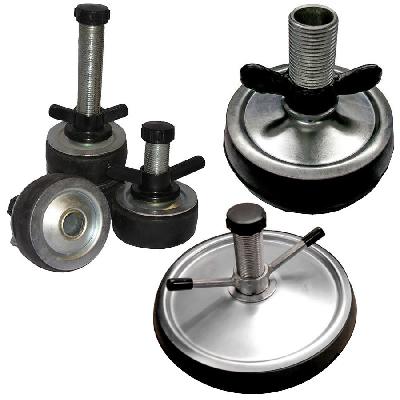
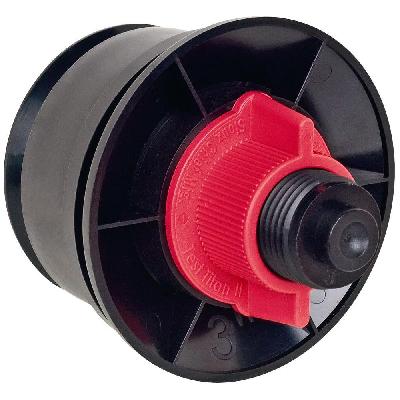
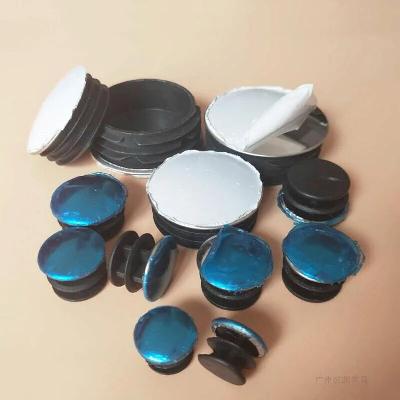
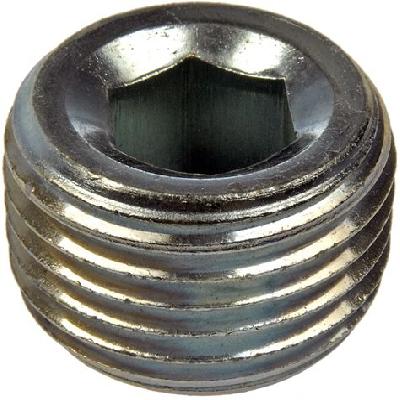
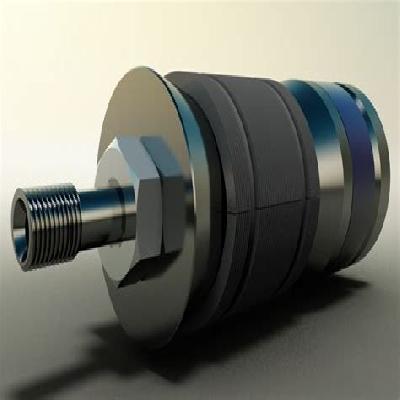
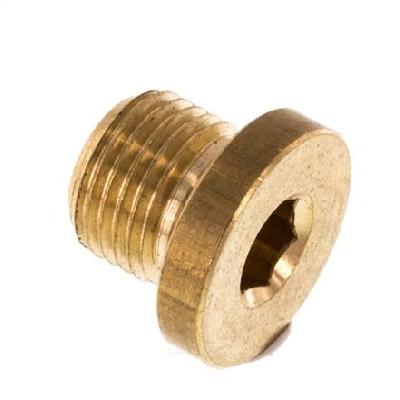
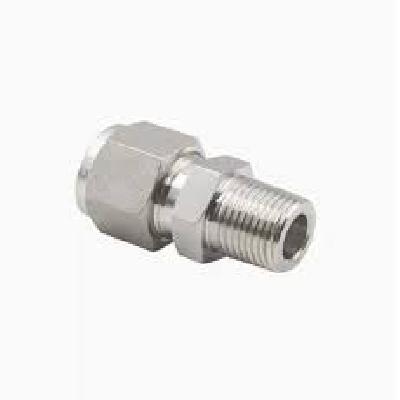
Pipe plugs are a type of industrial equipment used to seal or plug pipes in various applications. They are designed to provide a secure and reliable means of blocking pipe flow, which can be useful in maintenance, repair, or testing procedures.
Where To Use Pipe Plugs
Pipe plugs can be used in a variety of situations, including:
Isolating sections of pipe for maintenance or repair
Sealing pipes during testing or inspection procedures
Blocking pipe flow to prevent leaks or contamination
Providing a means of attaching additional equipment or valves
Key Features Of Pipe Plugs
Designed for reliable sealing and blocking of pipe flow
Made from durable materials to withstand various operating conditions
Versatile design suitable for use in a range of applications and industries
Easily installable and removable without causing damage to pipes or equipment
How To Use Pipe Plugs
Inspect the pipe to ensure it is clean and free of debris
Select a pipe plug that matches the size and material of the pipe
Install the pipe plug by screwing or pushing it into place, depending on the type
Tighten the pipe plug securely to prevent leaks or other issues
How Pipe Plugs Is Manufactured
Pipe plugs are typically manufactured using high-quality materials, such as metal or plastic, through various processes like casting, forging, or machining.
Technical Specification Of Pipe Plugs
Material:
Steel, Brass, or PVC
Size:
1/2" to 12" (15mm to 300mm)
Thread Type:
NPT, BSPT, or metric
Pressure Rating:
Up to 10,000 PSI (690 bar)
Temperature Rating:
-20°C to 400°C (-4°F to 752°F)
The technical specification of pipe plugs covers various aspects, including material, size, thread type, pressure rating, and temperature rating. The specifications ensure that the pipe plug can withstand the operating conditions in different applications.
Description Of Pipe Plugs
Pipe plugs are designed to provide a secure and reliable means of blocking pipe flow, which can be useful in maintenance, repair, or testing procedures.