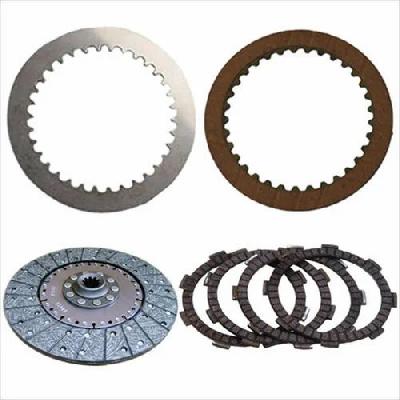
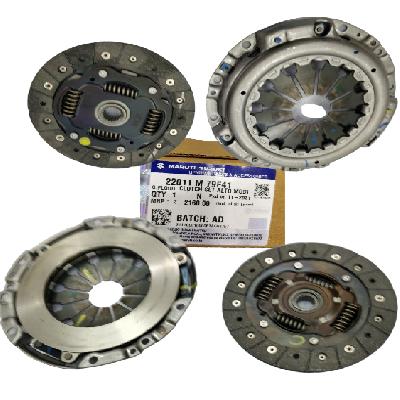
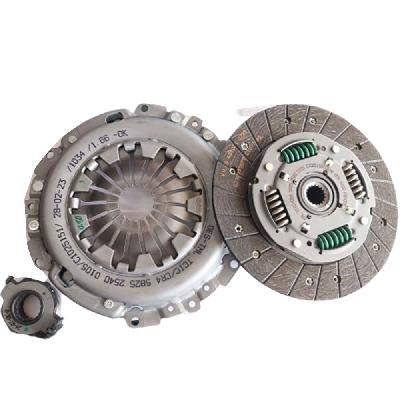
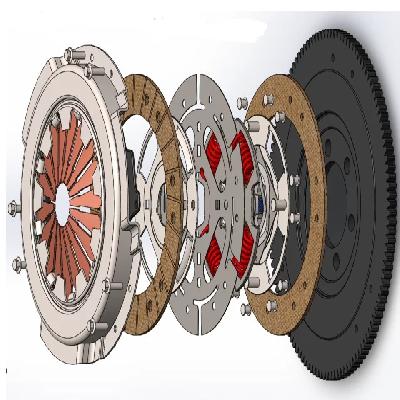
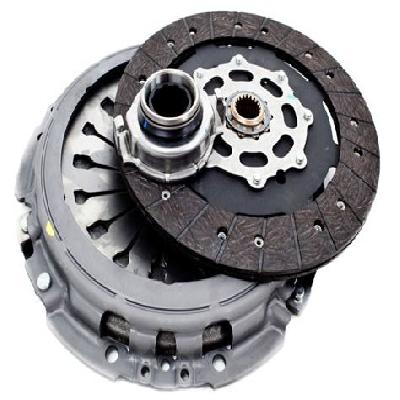
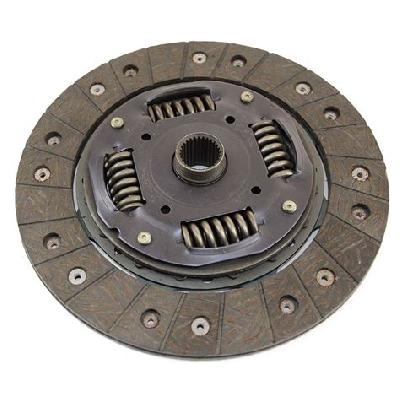
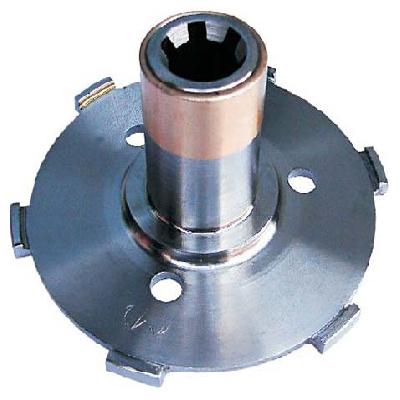
Plate clutches are a type of friction clutch used in various industrial applications to transmit power from an engine or motor to a transmission system, wheels, or other machinery components.
Where To Use Plate Clutches
Plate clutches are commonly used in various applications, including:
Automobiles for gear shifting and braking systems
Industrial machinery for power transmission and control
Motorsports for high-performance applications
Railway and locomotive industries for traction and braking systems
Key Features Of Plate Clutches
High torque capacity and durability
Low wear and tear, reducing maintenance needs
Easy installation and adjustment
Compact design for space-saving applications
How To Use Plate Clutches
Ensure proper installation and alignment with machinery components
Adjust clutch plates for optimal friction and performance
Maintain regular lubrication to prevent wear and tear
Monitor and replace worn-out parts as needed
How Plate Clutches Is Manufactured
The manufacturing process of plate clutches involves several stages, including material selection, machining, heat treatment, and assembly. High-quality materials are used to ensure durability and performance.
Technical Specification Of Plate Clutches
Diameter:
60-150 mm
Material:
Steel, cast iron, or aluminum
Thickness:
5-20 mm
Finish:
Machined or ground surface
Clutch Plates Type:
Single or multi-plate configurations
The technical specifications of plate clutches are designed to ensure optimal performance and durability in various industrial applications. The diameter range, material selection, thickness, finish, and clutch plates type all contribute to the overall effectiveness and reliability of the clutch.