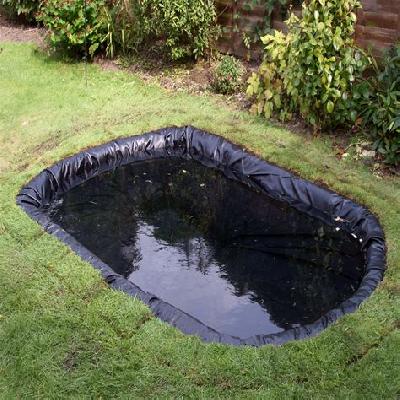
Pond liners are flexible, impermeable sheets made of materials such as PVC, EPDM, or HDPE used to line the bottom and sides of ponds to prevent water loss and damage from roots or wildlife.
Where To Use Pond Liners
Pond liners are suitable for various applications including fish farming, irrigation systems, stormwater management, and more.
Key Features Of Pond Liners
High-quality, durable materials for long-lasting performance
Waterproof and impermeable to prevent leaks
Durable against ultraviolet light exposure and temperature fluctuations
Maintenance-free and resistant to chemical damage
Varying sizes available to fit different pond shapes and sizes
How To Use Pond Liners
Clean the pond thoroughly before installing the liner
Measure and mark the area where the liner will be placed
Cut the liner to size using a sharp utility knife or laser cutter
Apply an adhesive or sealant around the edges for a watertight seal
Inspect the liner regularly for signs of wear or damage
How Pond Liners Is Manufactured
The manufacturing process of pond liners involves several steps including material selection, tooling, extrusion, cutting, and packaging.
The technical specifications of pond liners are critical in ensuring the product's performance and durability. The material used must be impermeable, waterproof, and resistant to chemical damage. The thickness of the liner should be sufficient to withstand the weight of water and any external factors that may affect it. Additionally, the usage and packaging requirements ensure that the liner is properly installed and maintained.
Description Of Pond Liners
Pond liners are designed to prevent water loss and damage from roots or wildlife, making them an essential component of pond construction.
Related Products & Synonyms Of Pond Liners
Related products to pond liners include geomembranes, pond membranes, and water barrier sheets. Synonyms for pond liners are fish pond liners.