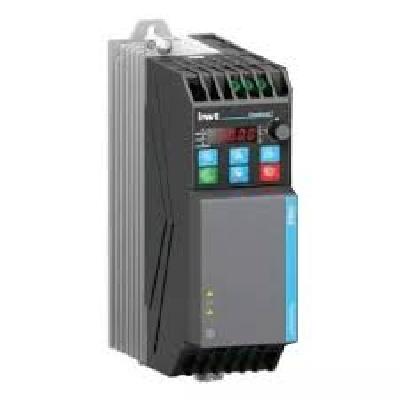
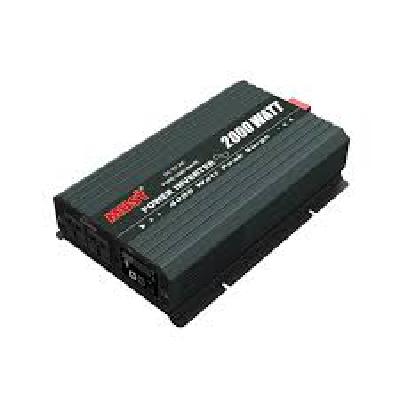
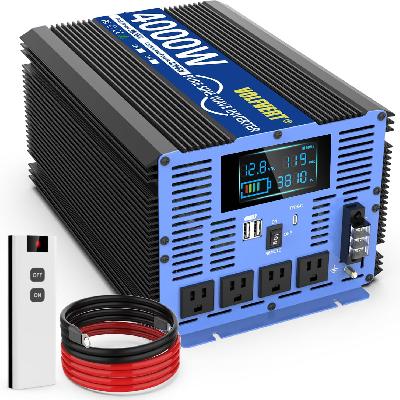
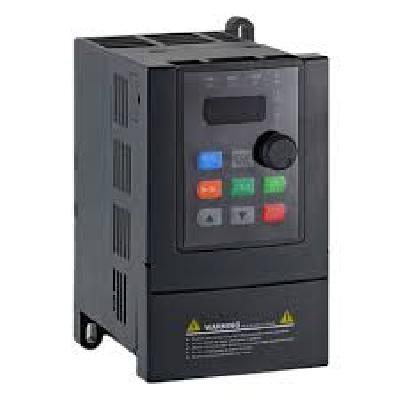
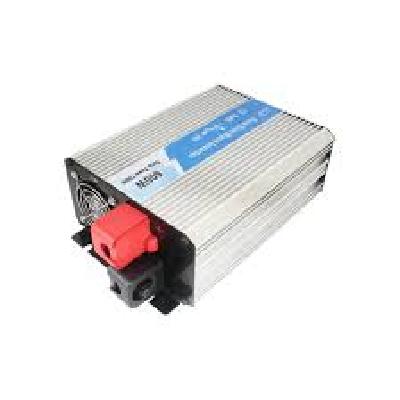
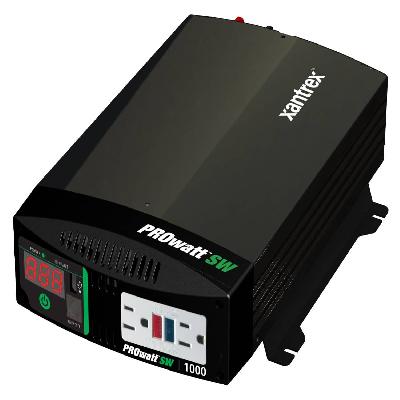
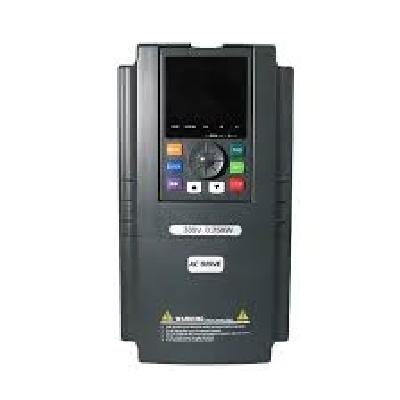
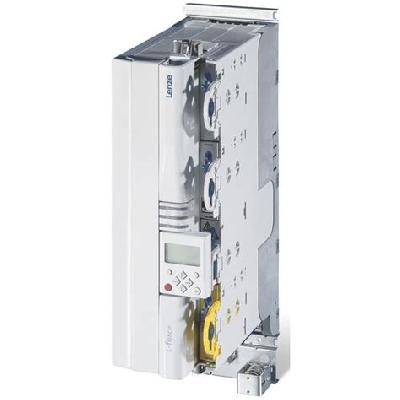
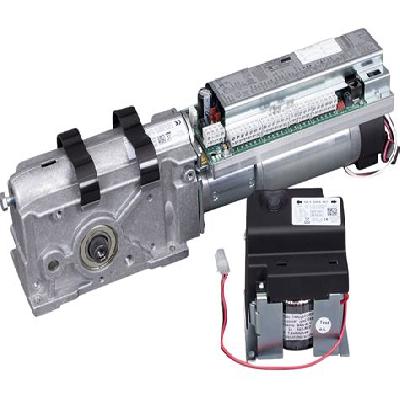
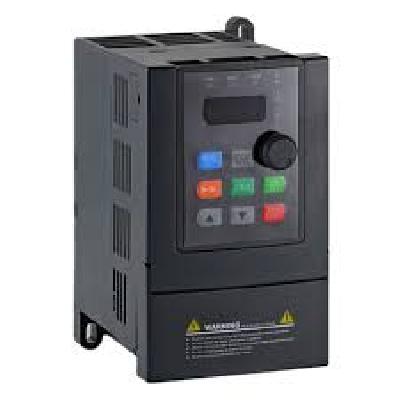
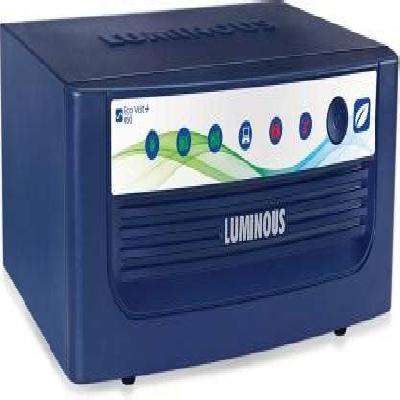
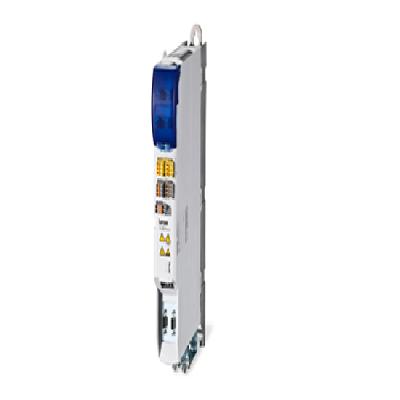
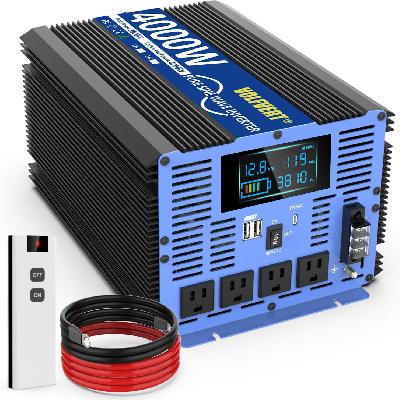
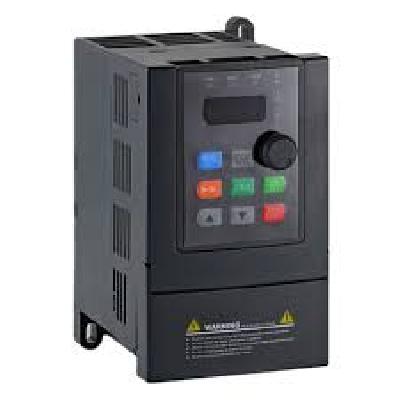
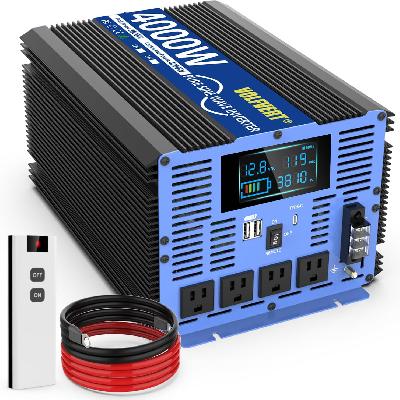
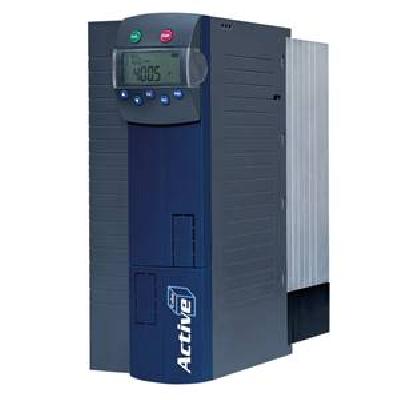
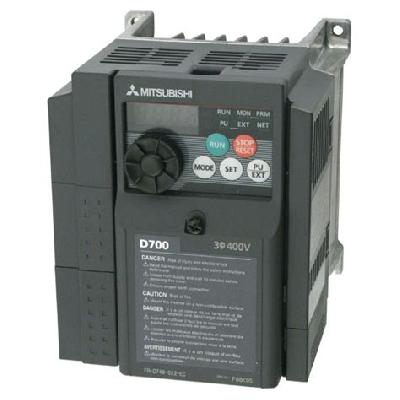
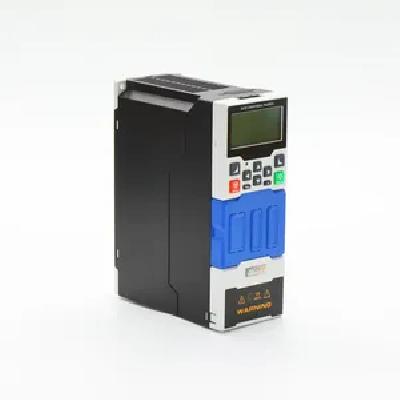
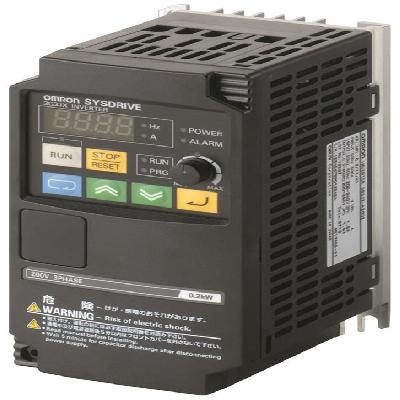
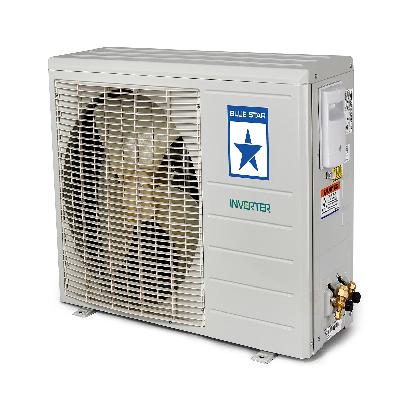
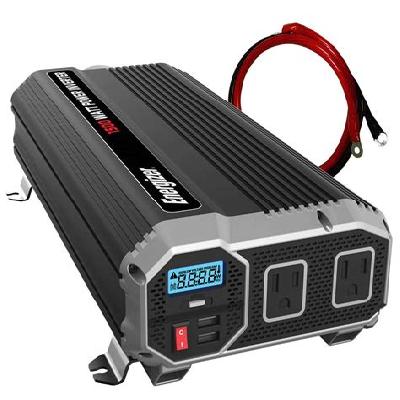
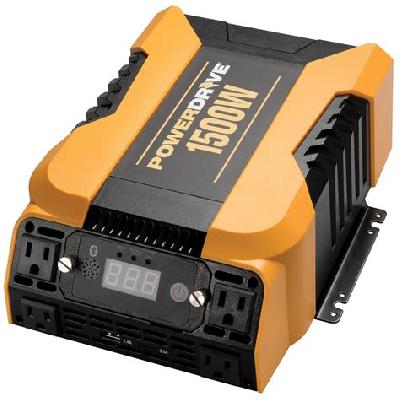
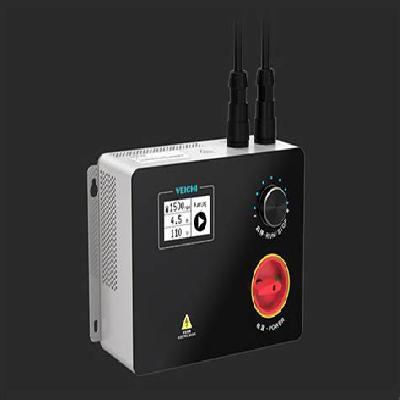
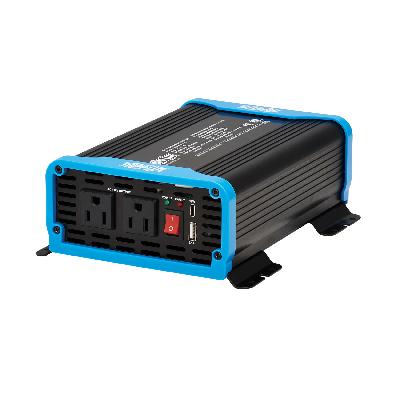
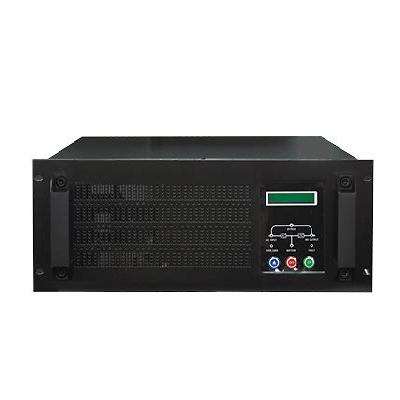
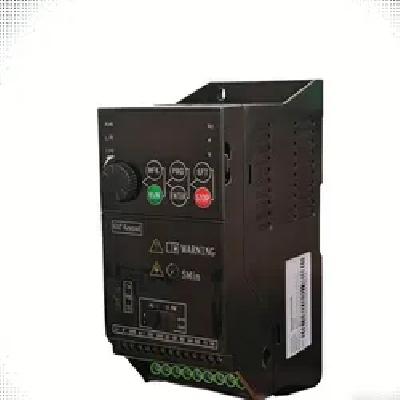
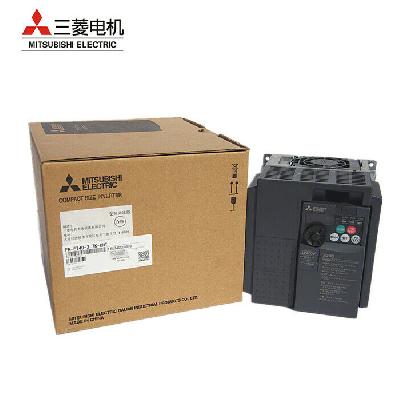
A power inverter is a device that converts DC (direct current) electricity to AC (alternating current) electricity, which is the standard type of electrical power used in most homes and businesses.
Where To Use Power Inverter
Power inverters are commonly used in a variety of applications, including:
Renewable energy systems
Backup power systems
Electrical vehicles
Home and office electronics
Key Features Of Power Inverter
High efficiency rating
Compact and lightweight design
Low noise operation
Wide range of input voltage options
Advanced protection features
How To Use Power Inverter
Connect the power inverter to a DC power source, such as a battery or solar panel.
Set the output voltage and frequency according to your requirements.
Monitor the power inverter's performance and adjust settings as needed.
How Power Inverter Is Manufactured
The manufacturing process of a power inverter typically involves several stages, including design, prototyping, testing, and mass production.
Technical Specification Of Power Inverter
Output Power
2.5 kW - 10 kW
Input Voltage
12V - 48V
Output Voltage
230V - 480V
Number of Outlets
2-6 outlets
Weight
5 kg - 20 kg
Waveform Type
Sine Wave
The technical specifications of a power inverter are critical to its performance and efficiency. The output power, input voltage, output voltage, number of outlets, weight, and waveform type are all important factors to consider when selecting a power inverter for your specific needs.
Description Of Power Inverter
A power inverter is a device that converts DC electricity to AC electricity, making it suitable for a wide range of applications, including renewable energy systems, backup power systems, and electrical vehicles.
Related Products & Synonyms Of Power Inverter
Some related products to the power inverter include: