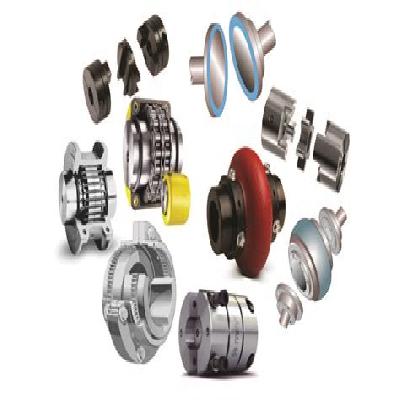
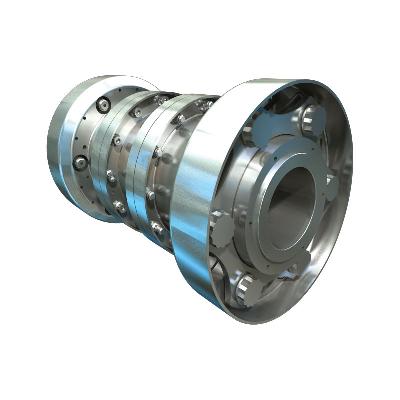
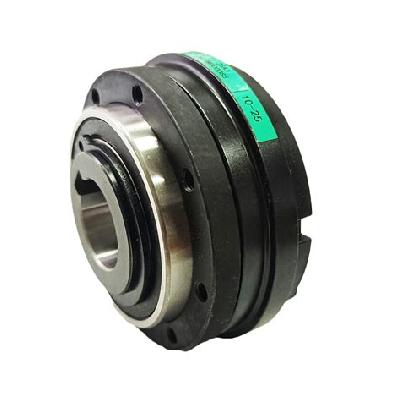
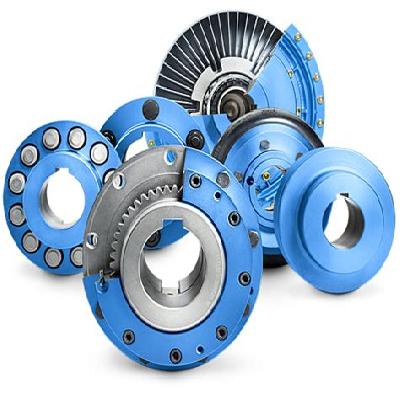
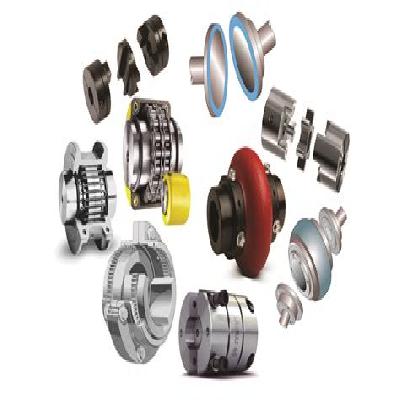
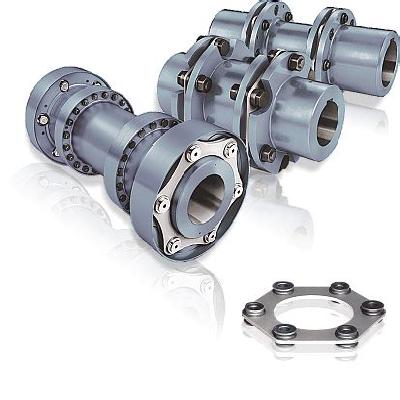
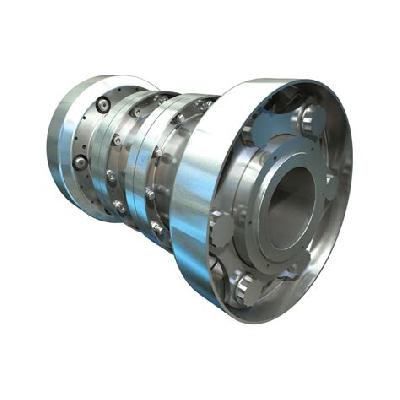
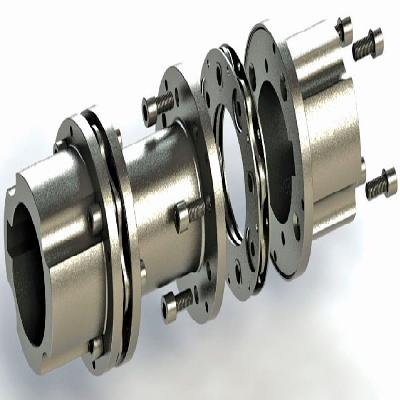
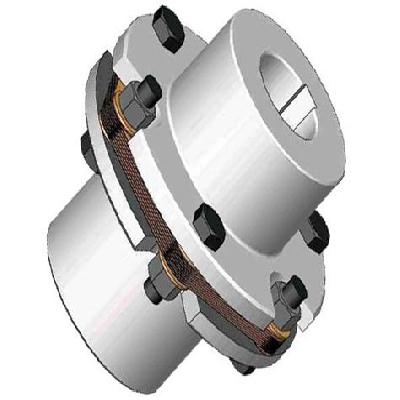
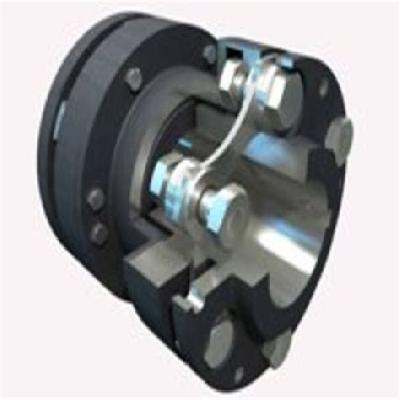
Power transmission couplings are mechanical devices designed to transmit power between two rotating shafts while allowing for some degree of misalignment or flexibility.
Where To Use Power Transmission Couplings
Power transmission couplings are commonly used in various industrial applications, including:
Automobile manufacturing
Machinery and equipment assembly
Pumping systems
Conveyor systems
Key Features Of Power Transmission Couplings
High torque transmission capability
Compact design for space-saving installation
Durable construction for long-lasting performance
Easy maintenance and repair
How To Use Power Transmission Couplings
Choose the correct coupling size and type for your application
Select a suitable material for your environment (e.g., steel, aluminum)
Carefully align the shafts before installation
Tighten the coupling securely to ensure proper transmission of power
How Power Transmission Couplings Is Manufactured
The manufacturing process for power transmission couplings typically involves the following steps:
Material selection and procurement
Machining and cutting of parts
Assembly and welding of components
Quality control and inspection
Technical Specification Of Power Transmission Couplings
Bore Diameter (mm)
20-50
Outer Diameter (mm)
30-60
Torque Capacity (Nm)
50-200
Material
Steel (EN24), Aluminum (6061-T6)
The technical specifications of power transmission couplings are designed to ensure efficient and reliable power transmission in various industrial applications.