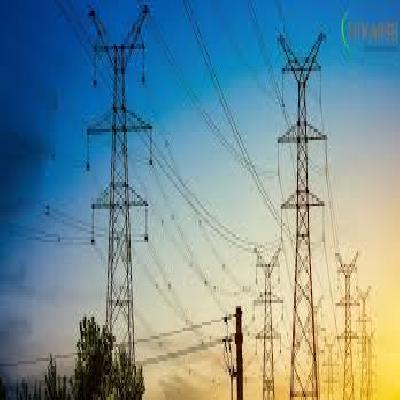
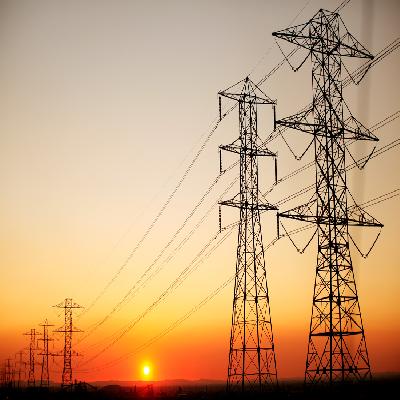
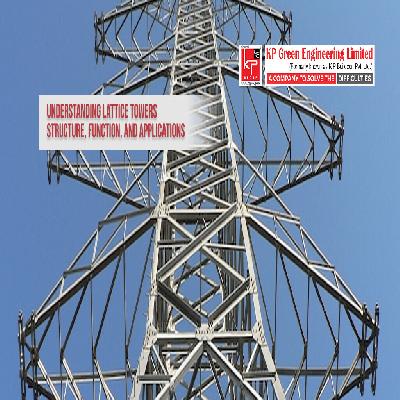
A power transmission tower is a tall structure designed to support overhead lines that carry electrical power from a generating station to a consuming area. It plays a crucial role in the efficient transmission of electricity over long distances.
Where To Use Power Transmission Tower
Power transmission towers are used in various locations, including urban and rural areas, to transmit electricity over long distances. They can be installed near power plants, substations, or along roadsides to support overhead lines.
Key Features Of Power Transmission Tower
High structural strength to support heavy loads
Corrosion-resistant materials for long-term durability
Designed for easy maintenance and repair
Can be customized according to customer requirements
How To Use Power Transmission Tower
Identify the location for installation and ensure it meets local regulations
Choose the right type of tower according to the transmission line capacity
Follow proper installation procedures to ensure safe operation
Regularly inspect and maintain the tower to prevent damage or failure
How Power Transmission Tower Is Manufactured
The manufacturing process of power transmission towers involves several stages, including material selection, cutting and shaping, welding, and finishing.
Technical Specification Of Power Transmission Tower
The technical specifications of power transmission towers vary depending on the application and location. The voltage rating typically ranges from 110kV to 400kV, while the height can range from 30m to 90m. The tower type may be lattice, monopole, or guyed, and the foundation type may be concrete, steel, or drilled shaft.
Description Of Power Transmission Tower
A power transmission tower is a tall structure designed to support overhead lines that carry electrical power from a generating station to a consuming area.
Related Products & Synonyms Of Power Transmission Tower