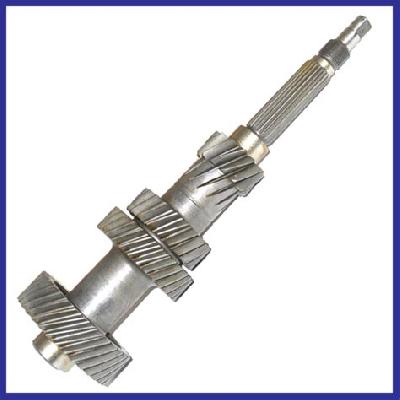
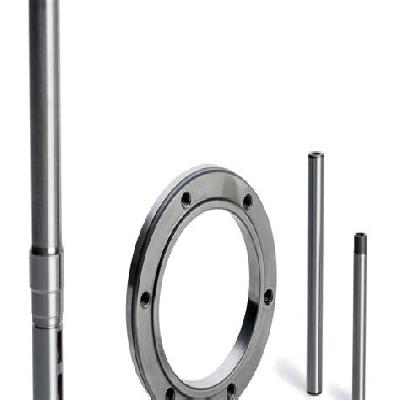
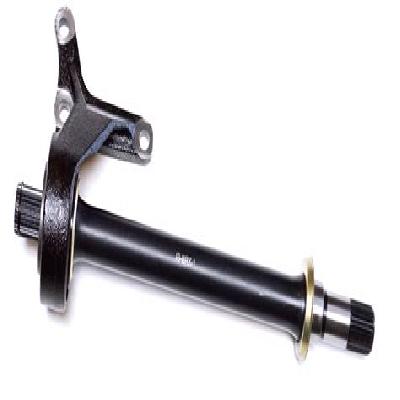
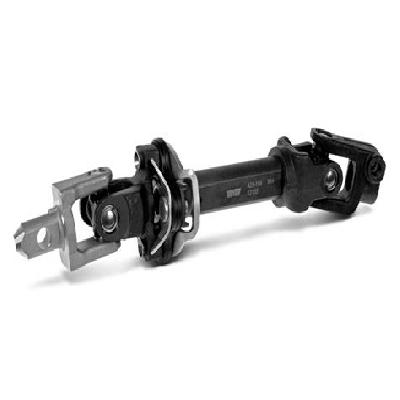
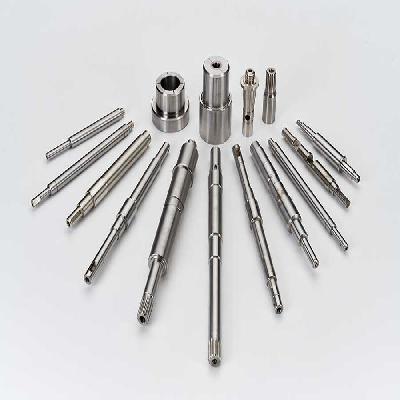
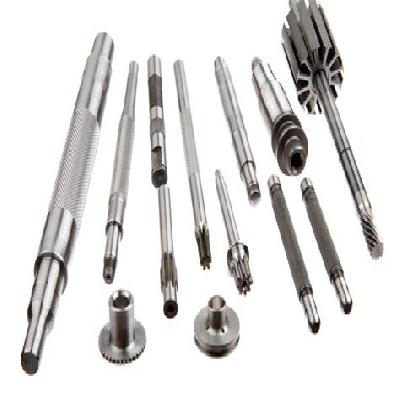
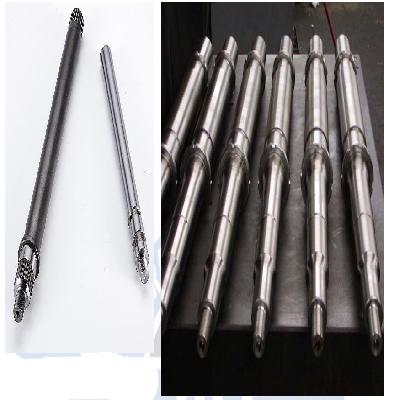
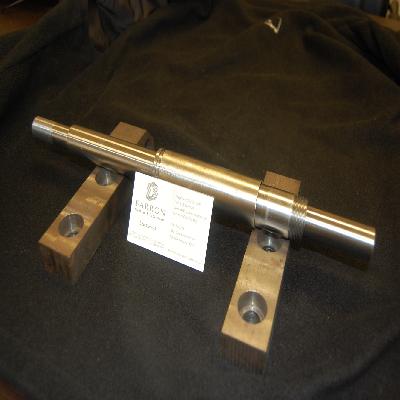
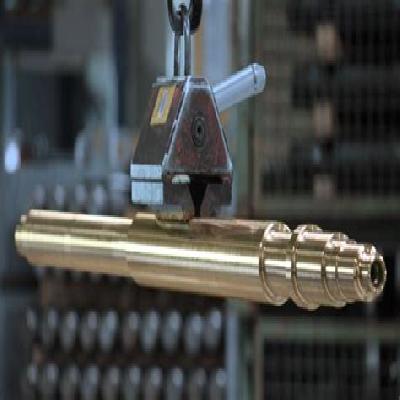
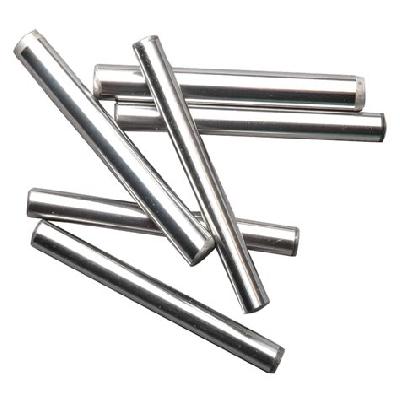
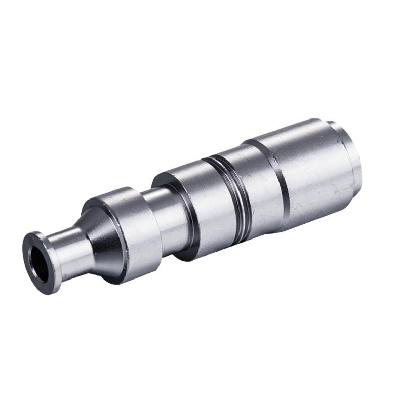
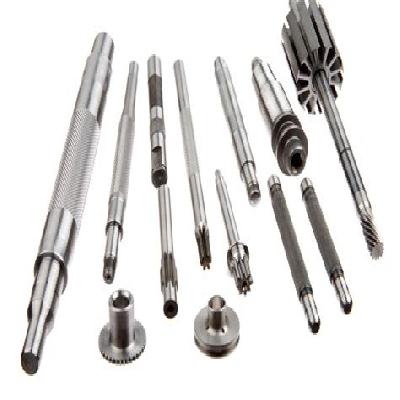
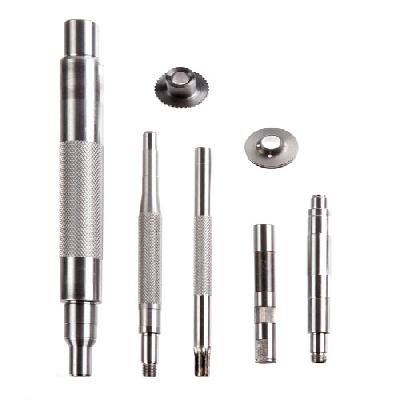
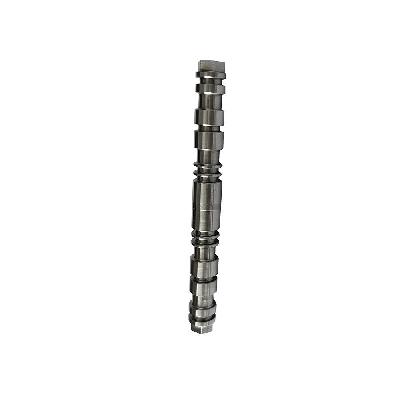
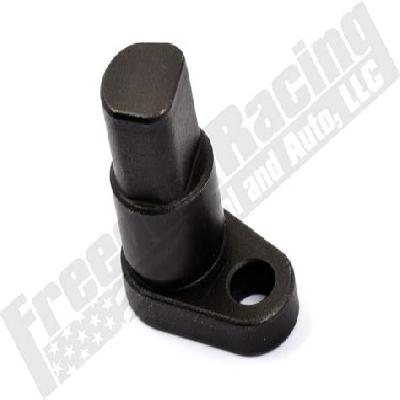
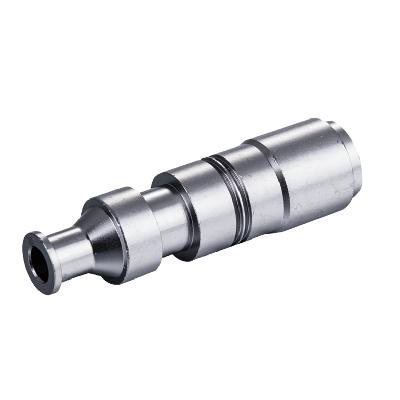
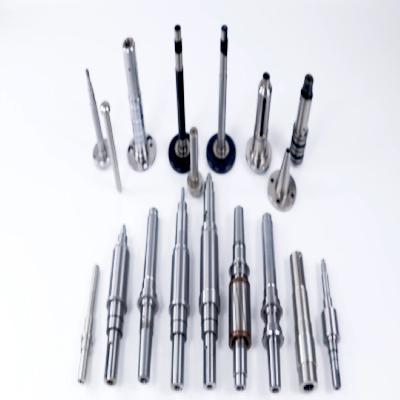
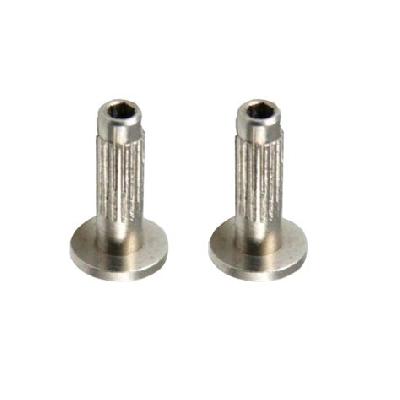
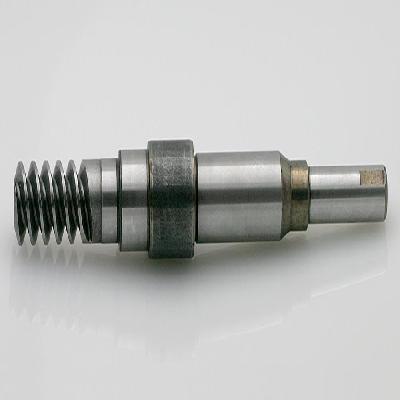
A precision shaft is a type of machine component designed to provide accurate and smooth rotation or linear motion in various industrial applications.
Where To Use Precision Shaft
Automotive industry for engine components and transmissions
Aerospace industry for aircraft components and mechanisms
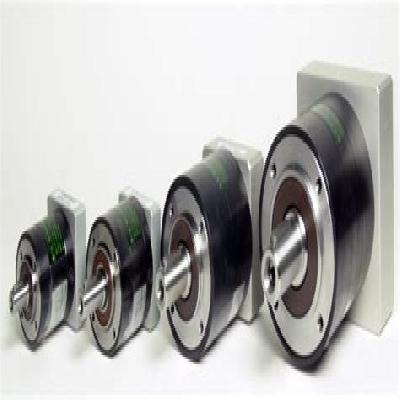
Machinery manufacturing for precision gearboxes and bearings
Key Features Of Precision Shaft
High accuracy and precision
Low friction and wear resistance
Durable and long-lasting
Corrosion-resistant materials
How To Use Precision Shaft
Installation: ensure proper alignment and tightening of the shaft
Maintenance: regular cleaning and lubrication to prevent wear and tear
Inspection: regular checks for damage or defects
How Precision Shaft Is Manufactured
The manufacturing process of precision shafts involves several stages, including material selection, cutting and machining, heat treatment, and finishing operations.
Technical Specification Of Precision Shaft
Length:
Customizable (up to 3 meters)
Material:
High-carbon steel or stainless steel
Diameter:
6-25 mm (customizable)
Compatibility:
Suitable for various industrial applications and machinery types
The technical specifications of precision shafts can be customized to meet the specific requirements of various industrial applications. The length, material, diameter, and compatibility of the shaft are crucial factors to consider when selecting a suitable precision shaft for a particular application.
Description Of Precision Shaft
A precision shaft is a high-precision machine component designed to provide accurate and smooth rotation or linear motion in various industrial applications.
Related Products & Synonyms Of Precision Shaft
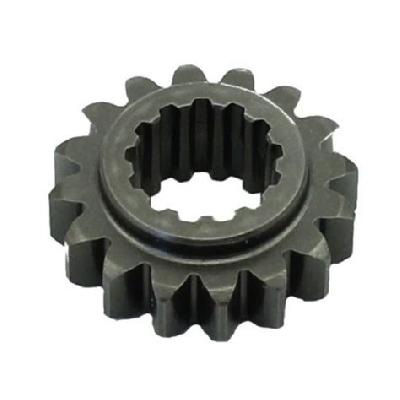
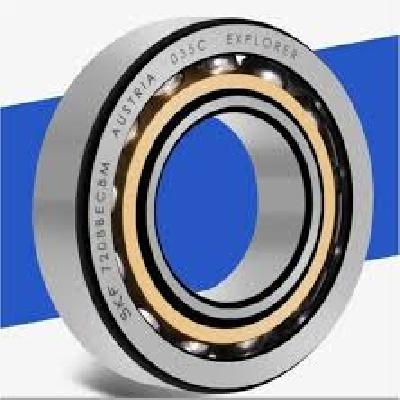
The related products of precision shafts include gears, bearings, and other machine components that work in conjunction with the shaft to provide smooth and accurate motion.