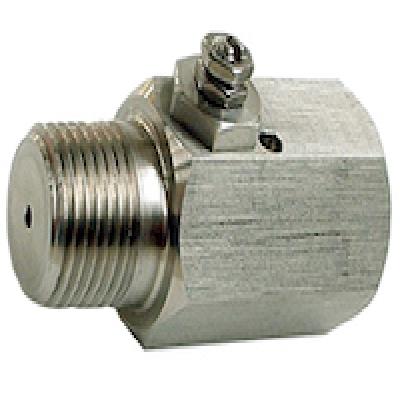
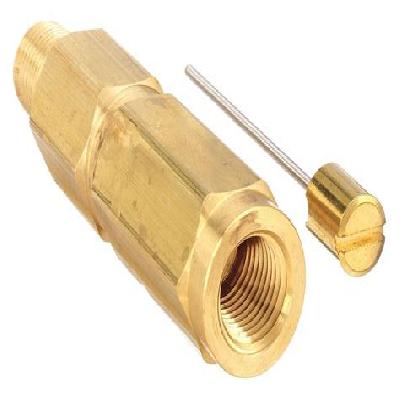
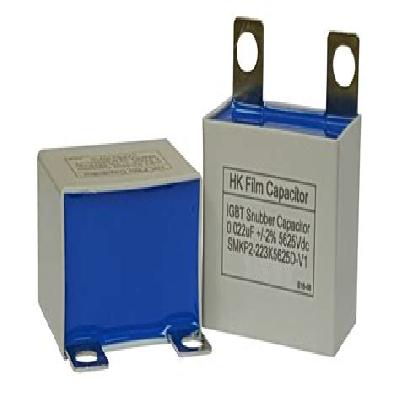
A pressure snubber is a device used to regulate and dampen the pulsations that occur in pressure gauge lines, preventing damage to the gauge itself.
Where To Use Pressure Snubber
High-pressure systems, such as refineries and chemical plants.
Industrial processes with pulsating flows, like compressors and pumps.
Laboratories where precise pressure measurements are required.
Key Features Of Pressure Snubber
High-pressure resistance up to 10,000 psi.
Durable construction with stainless steel or brass materials.
Quick and easy installation.
Compact design for space-saving applications.
How To Use Pressure Snubber
Choose the correct size and type of snubber for your application.
Install the snubber in-line with the pressure gauge, following manufacturer's instructions.
Ensure proper tightening of connections to prevent leaks or damage.
How Pressure Snubber Is Manufactured
Manufacturing of pressure snubbers involves precision engineering, with materials carefully selected for their strength and resistance to corrosion.
Technical Specification Of Pressure Snubber
Pressure Rating:
Up to 10,000 psi
Connection Type:
BSP, NPT, or custom
Temperature Range:
-20°C to 200°C
Material:
Stainless steel or brass
Brand:
Customizable or standard brands like Parker, Swagelok
The technical specifications outlined above ensure the pressure snubber is suitable for a wide range of industrial applications, from high-pressure systems to laboratory settings.
Description Of Pressure Snubber
A pressure snubber is a simple yet effective device used to prevent damage from pulsations in pressure gauge lines, ensuring accurate readings and extending the life of the gauge itself.
Related Products & Synonyms Of Pressure Snubber
The pressure snubber is related to other products designed for similar purposes, such as pulsation dampeners and shock absorbers.