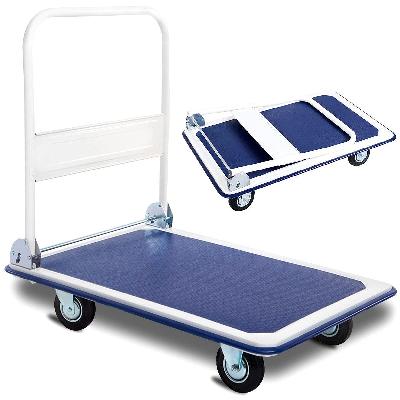
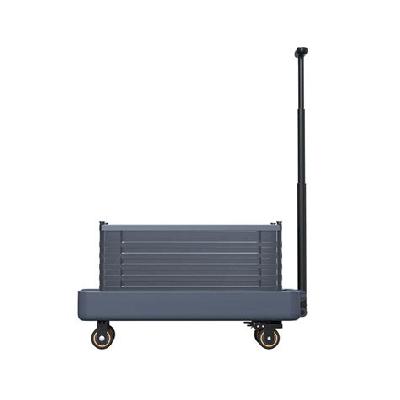
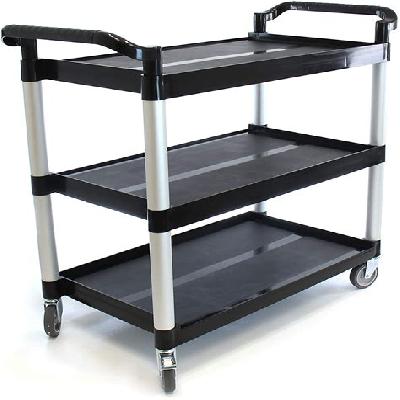
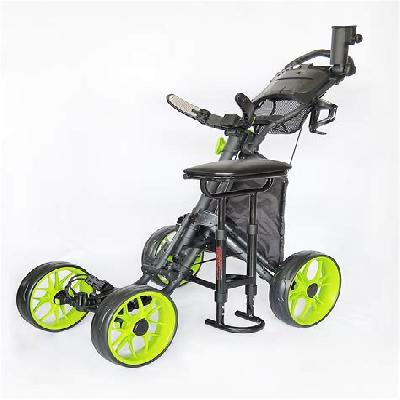
Push carts are industrial equipment designed to facilitate the movement of goods, materials, and supplies in various settings, such as construction sites, warehouses, and factories. They typically consist of a sturdy frame or body supported by wheels or casters, enabling users to easily transport items over short to medium distances.
Where To Use Push Carts
Push carts are commonly used in industrial, commercial, and institutional settings where manual transportation of goods is required. Some typical locations include:
Construction sites for moving building materials
Warehouses for transporting inventory and supplies
Factories for moving machinery parts and equipment
Hospitals and healthcare facilities for transporting medical supplies
Key Features Of Push Carts
Sturdy frame or body for durability and stability
Wheels or casters for easy movement and maneuverability
Movable handles or grips for comfortable handling
Capacity to hold various types of goods and materials
Compact design for easy storage when not in use
How To Use Push Carts
Ensure the cart is properly assembled and loaded with goods
Grasp the handles or grips securely to maintain control
Pull or push the cart in a smooth, even motion
Monitor the load capacity and avoid overloading the cart
Maintain regular maintenance to ensure the cart's performance
How Push Carts Is Manufactured
The manufacturing process for push carts involves several stages, including design, materials selection, fabrication, assembly, and quality control.
Technical Specification Of Push Carts
Material:
Steel or aluminum
Capacity:
Up to 500 kg (1,100 lbs)
Wheel Type:
Rubber or polyurethane
Dimensions:
Length: 120 cm (47 in), Width: 80 cm (31 in), Height: 100 cm (39 in)
The specifications outlined above provide a general overview of the technical characteristics of push carts. However, it is essential to note that specific requirements may vary depending on the intended application and environmental conditions.
Description Of Push Carts
Push carts are designed to provide a convenient and efficient means of transporting goods, materials, and supplies in various settings. They offer a compact and maneuverable solution for tasks that require frequent transportation.