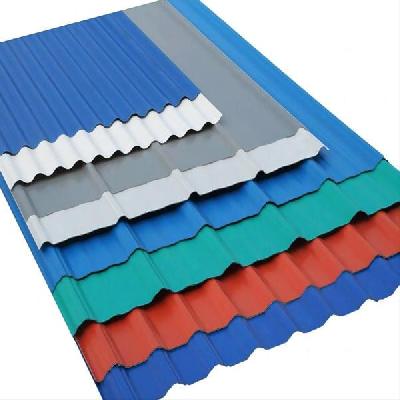
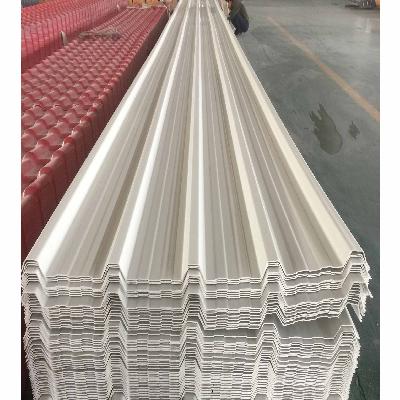
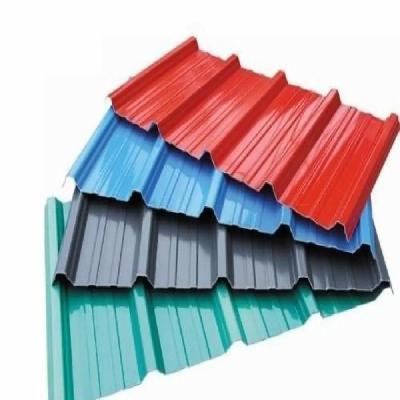
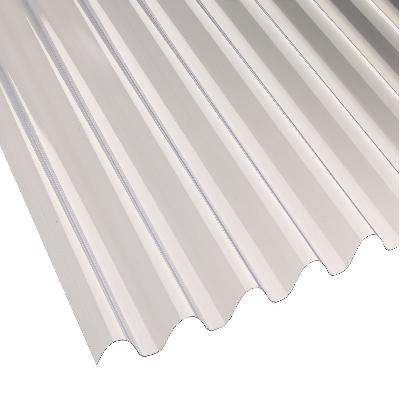
PVC roofing materials are made from polyvinyl chloride, a type of plastic that is widely used in construction due to its durability and resistance to harsh weather conditions.
Where To Use Pvc Roofing Materials
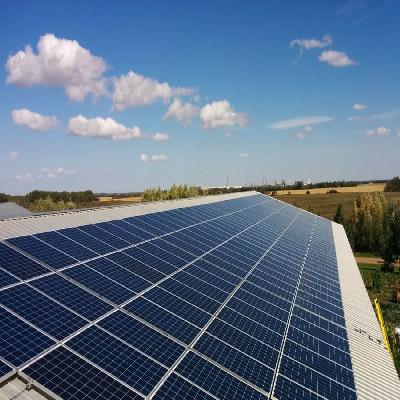
Roofing of residential and commercial buildings
Installation in areas with high foot traffic
Use on flat or sloping roofs
Key Features Of Pvc Roofing Materials
High tensile strength and resistance to tears
Lightweight and easy to install
Waterproof and resistant to chemicals
Low maintenance and long lifespan
How To Use Pvc Roofing Materials
Ensure surface is clean and dry before installation
Cut the PVC sheet to required size using a utility knife or saw
Apply adhesive to the back of the sheet and attach it to the roof
Seal all joints with sealant to prevent water ingress
How Pvc Roofing Materials Is Manufactured
The manufacturing process of PVC roofing materials involves the mixing of polyvinyl chloride resin with other additives and stabilizers, followed by extrusion into a sheet form.
Technical Specification Of Pvc Roofing Materials
Sheet Thickness:
1.2mm - 3.0mm
Width:
1200mm - 2400mm
Length:
3000mm - 6000mm
Tensile Strength:
30N/mm² - 60N/mm²
Thermal Conductivity:
0.1W/mK - 0.3W/mK
Color:
White, Grey, Brown
The technical specifications of PVC roofing materials are crucial for ensuring the durability and performance of the material in various applications.
Description Of Pvc Roofing Materials
PVC roofing materials are a popular choice for construction projects due to their ease of installation, durability, and resistance to harsh weather conditions.
Related Products & Synonyms Of Pvc Roofing Materials
The related products of PVC roofing materials include other types of roofing materials such as asphalt shingles, metal roofs, and clay tiles.