Radio Frequency Identification (RFID) is a technology used for identifying and tracking objects, people, or animals using radio waves. It is a non-contact method of storing and retrieving data through the use of tags, which are attached to the object and communicate with a reader device.
Where To Use RFID
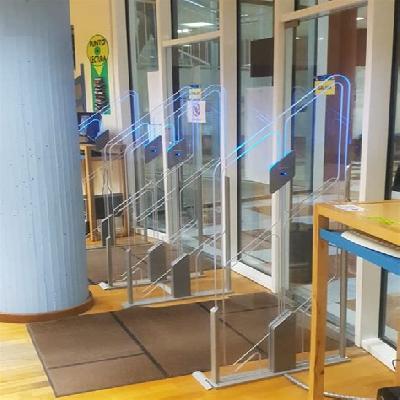
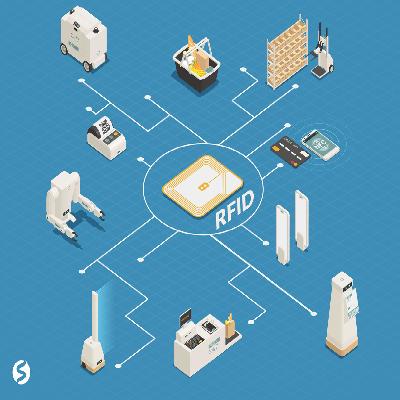
RFID technology is widely used in various industries, including logistics and supply chain management, healthcare, manufacturing, and retail. It can be applied to track inventory, monitor assets, manage patient care, and enhance customer experience.
Key Features Of RFID
Non-contact identification and tracking
Long-range reading capabilities
High-speed data transfer
Low power consumption
Resistance to harsh environments
How To Use RFID
Attach tags to objects or people
Use a reader device to communicate with the tags
Store and retrieve data wirelessly
Analyze and interpret data for insights
How RFID Is Manufactured
The manufacturing process of RFID tags involves several stages, including design and development, material selection, printing or etching, assembly, testing, and packaging.
Technical Specification Of RFID
Frequency:
900 MHz - 2.45 GHz
Card Types:
Passive, Active, Hybrid
Interface:
Serial, Parallel, SPI
Mounting:
Adhesive, Screw, Clamp
Operating Voltage:
3.3V - 5V
The technical specifications of RFID technology provide a detailed overview of its capabilities and limitations. The frequency range, card types, interface, mounting options, and operating voltage are critical factors to consider when selecting an RFID solution for a specific application.
Description Of RFID
RFID technology is a non-contact method of storing and retrieving data through the use of tags attached to objects or people, which communicate with a reader device using radio waves.
Related Products & Synonyms Of RFID
RFID technology is related to several other products, including:
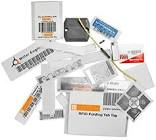
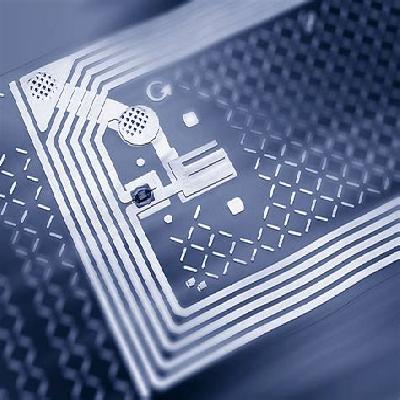
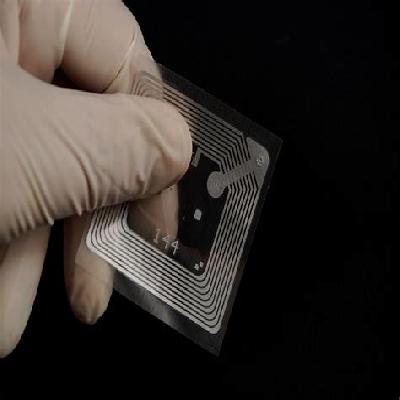
RFID Tag: A small device attached to an object that stores and transmits data using radio waves.
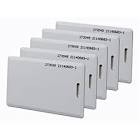
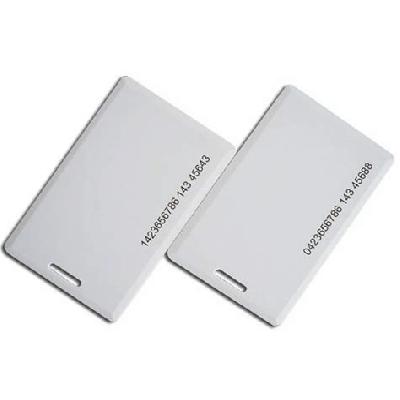
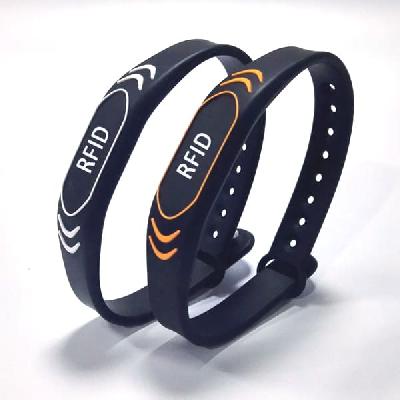
RFID Card: A smart card embedded with RFID technology for secure identification and authentication.
Passive RFID Tag: A tag that does not require a power source, relying on the reader's energy to transmit data.
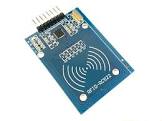
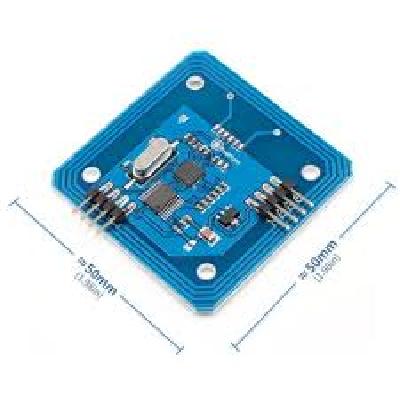
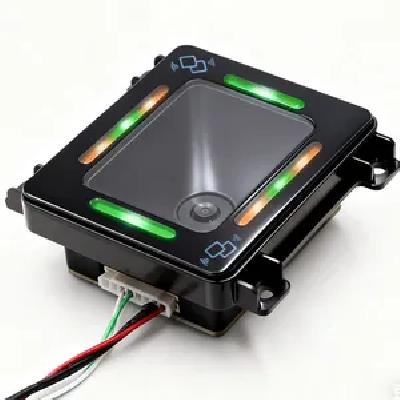
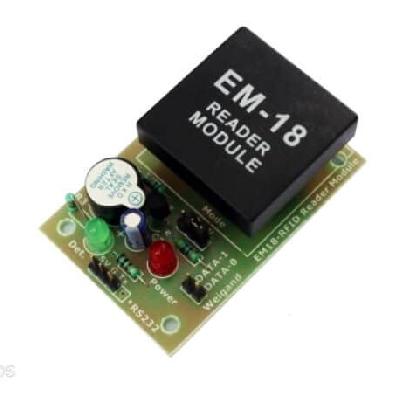
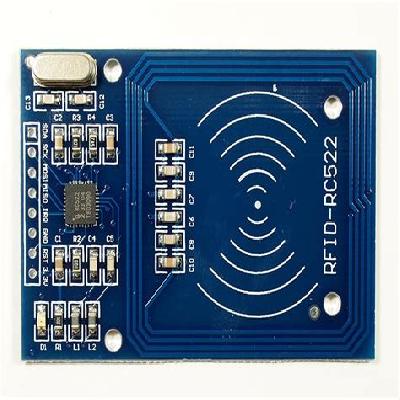
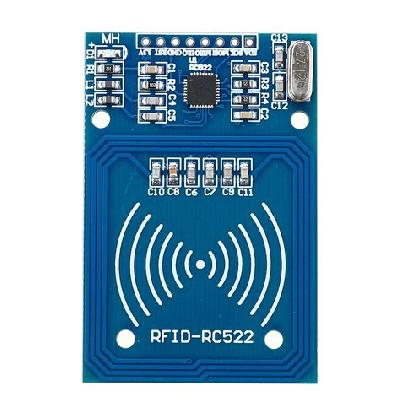
RFID Module: An integrated circuit containing RFID technology, used in various applications such as tracking and identification.