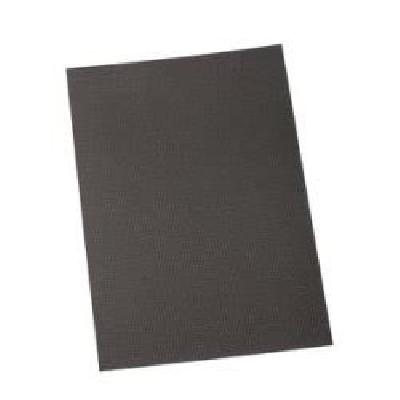
Rubber cushioning is a type of industrial product used to absorb shocks and vibrations in various equipment and machinery. It is designed to provide a protective layer between moving parts, reducing the risk of damage and wear.
Where To Use Rubber Cushioning
Rubber cushioning is commonly used in various industries, including automotive, aerospace, and construction. It can be applied to vehicles, machinery, and equipment to reduce vibrations and noise.
Key Features Of Rubber Cushioning
Shock absorption and vibration reduction
Durable and long-lasting
Easy to install and maintain
Resistant to temperature changes
Available in various sizes and thicknesses
How To Use Rubber Cushioning
Clean the surface where rubber cushioning will be applied
Measure and cut the rubber cushioning to size
Apply a thin layer of adhesive or lubricant to the surface
Press the rubber cushioning firmly onto the surface
Allow it to dry and cure before use
How Rubber Cushioning Is Manufactured
Rubber cushioning is manufactured using a combination of natural and synthetic rubber materials. The production process involves mixing, calendering, and vulcanization to achieve the desired properties.
Technical Specification Of Rubber Cushioning
Thickness:
1-5 mm
Temperature Resistance:
-20°C to +80°C
Size:
Customizable
Hardness:
60-80 Shore A
The technical specification of rubber cushioning provides a comprehensive overview of its physical properties and performance characteristics. The thickness, temperature resistance, size, and hardness are critical factors to consider when selecting the appropriate rubber cushioning for a specific application.
Description Of Rubber Cushioning
Rubber cushioning is a versatile and essential component in various industries, providing effective shock absorption and vibration reduction. Its durable and long-lasting properties make it an ideal choice for heavy-duty applications.
Related Products & Synonyms Of Rubber Cushioning
Some related products to rubber cushioning include: