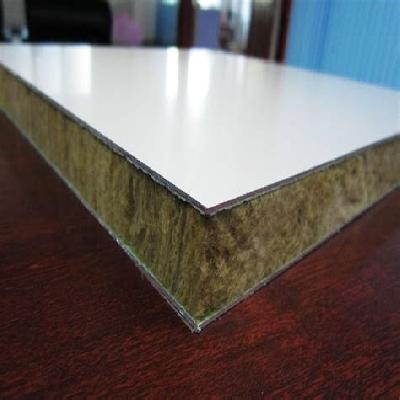
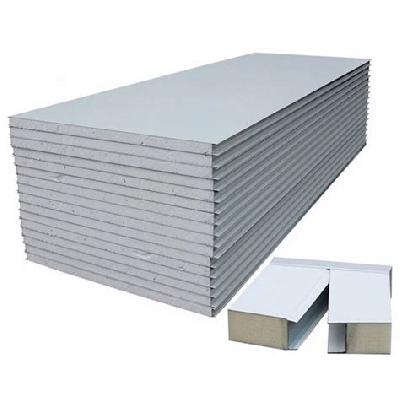
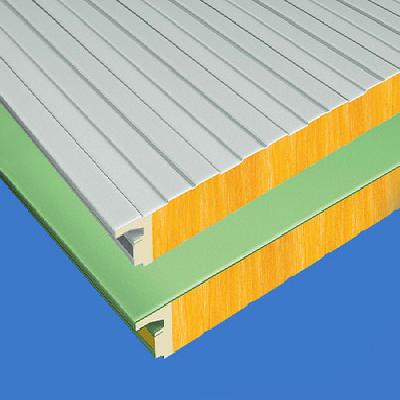
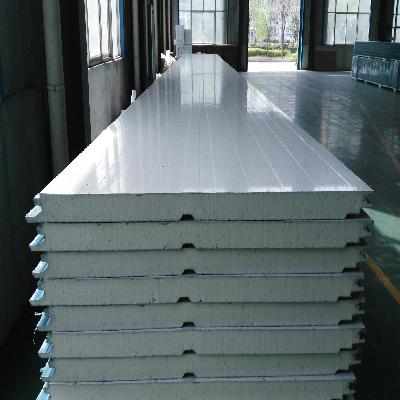
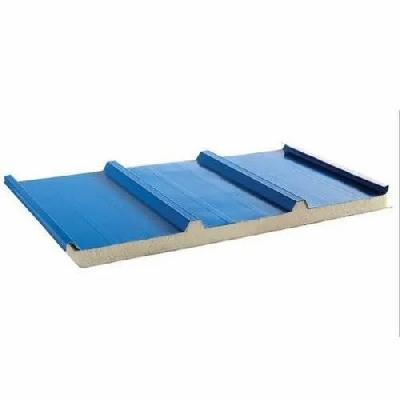
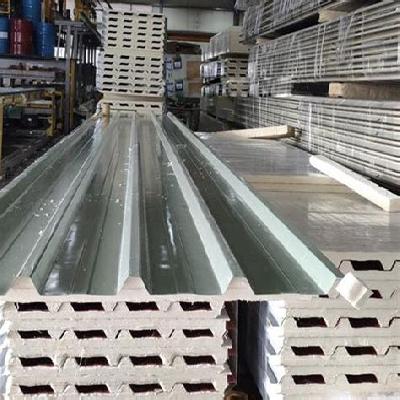
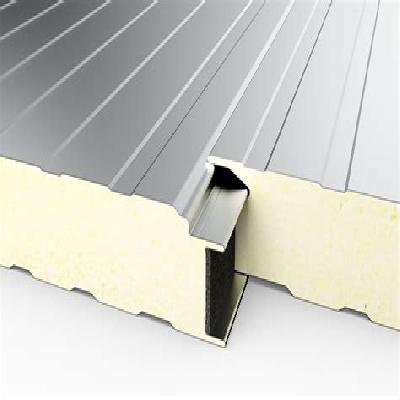
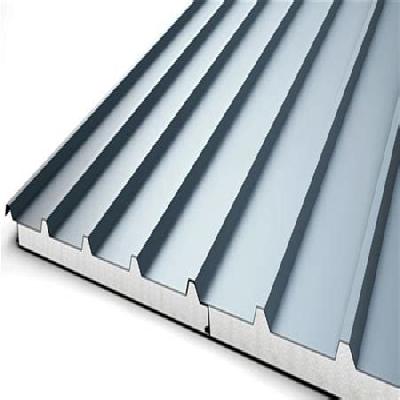
Sandwich panels, also known as sandwich sheets or sandwich roof panels, are a type of building material used in various architectural and construction applications. They consist of two outer skin materials (usually metal or plastic) separated by a core material, which provides insulation and structural support.
Where To Use Sandwich Panels
Sandwich panels are commonly used in industrial, commercial, and residential buildings for various purposes, including:
Roofing and wall cladding
Insulation and thermal bridging
Load-bearing structures
Fire-resistant barriers
Key Features Of Sandwich Panels
The key features of sandwich panels include:
High thermal insulation and energy efficiency
Durable and long-lasting with proper maintenance
Fire-resistant and non-toxic materials
Customizable to meet specific project requirements
Easy installation and minimal labor costs
How To Use Sandwich Panels
To use sandwich panels effectively, follow these steps:
Ensure proper design and engineering calculations
Select the correct core material for your application
Carefully measure and cut the panels to size
Install the panels according to manufacturer's instructions
Maintain regular inspections and repairs as needed
How Sandwich Panels Is Manufactured
The manufacturing process for sandwich panels involves:
Raw material selection and preparation
Core material production (e.g., foam, fiberglass, or mineral wool)
Outer skin material production (e.g., metal, plastic, or composite materials)
Technical Specification Of Sandwich Panels
Core Material:
Polyisocyanurate (PIR) foam
Thickness:
50mm (2 inches)
Panel Width:
1200mm (48 inches)
Panel Length:
2400mm (96 inches)
Outer Skin Material:
Galvanized steel
The technical specifications of sandwich panels, as shown above, are designed to meet the requirements of various building projects. The core material used is PIR foam, which provides excellent thermal insulation and fire-resistance properties. The thickness of 50mm ensures sufficient structural support and durability. The panel width and length can be customized according to project needs. The outer skin material is galvanized steel, which offers corrosion resistance and strength.
Description Of Sandwich Panels
Sandwich panels are a versatile building material that combines the benefits of insulation, structural support, and durability in one product. They consist of two outer skin materials separated by a core material, which provides thermal insulation and fire-resistance properties.
Related Products & Synonyms Of Sandwich Panels
Some related products to sandwich panels include:
Rockwool panels: Similar to sandwich panels, but with a rock wool core
EPS sandwich panel: Uses expanded polystyrene (EPS) foam as the core material
Puf insulated panels: A type of sandwich panel using polyurethane foam (PUF) as the core material
Polyurethane sandwich panel: Similar to PUF insulated panels, but with a different type of polyurethane foam
Glass wool sandwich panel: Uses glass wool as the core material for thermal insulation and fire-resistance
PIR sandwich panel: Similar to sandwich panels, but with a polyisocyanurate (PIR) foam core
Polyurethane panel: A type of building material using polyurethane foam as the core material
Kingspan Jindal Sandwich Panel: A specific brand of sandwich panel produced by Kingspan Jindal