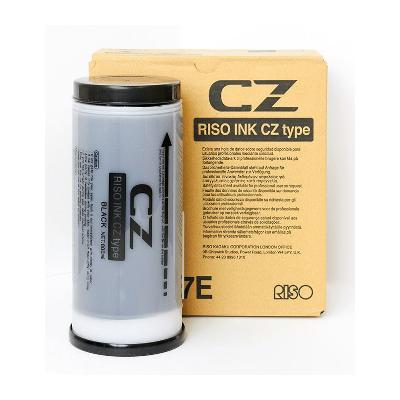
Security inks are specialized inks designed to provide security and authenticity features on various surfaces, such as paper, plastic, or fabric. They are used for printing security features like holograms, watermarks, and UV printing.
Where To Use Security Inks
Security inks can be used in various applications, including:
Banknotes and currency printing
Passports and ID cards
Credit cards and other payment cards
Bulk packaging and industrial labeling
Key Features Of Security Inks
High level of security and authenticity
Durable and long-lasting
Resistant to counterfeiting and tampering
Wide range of colors and finishes available
Easy to apply and use
How To Use Security Inks
Preparation of surface for printing
Printing security features using security inks
Drying and curing process
Cleaning and maintenance of equipment
How Security Inks Is Manufactured
The manufacturing process of security inks involves a combination of raw materials, including pigments, resins, and solvents. The mixture is then formulated and blended to achieve the desired properties and characteristics.
Technical Specification Of Security Inks
Viscosity:
150-200 mPa·s
Material:
Pigment-based ink
Drying Time:
2-5 minutes
Application Method:
Screen printing or pad printing
The technical specification of security inks provides detailed information about their properties and characteristics, ensuring that they meet the required standards for security and authenticity features.
Description Of Security Inks
Security inks are designed to provide a high level of security and authenticity features on various surfaces, making them an essential component for many industries, including banking, government, and manufacturing.