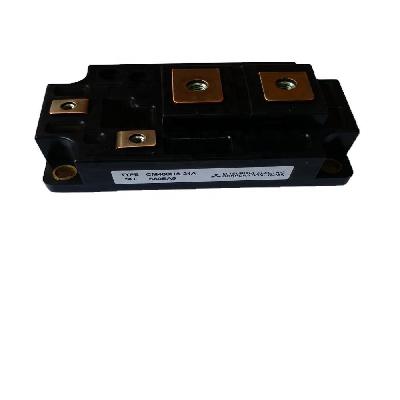
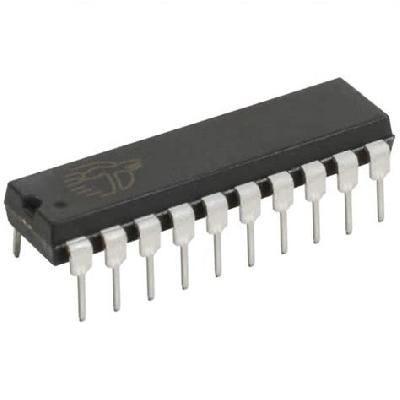
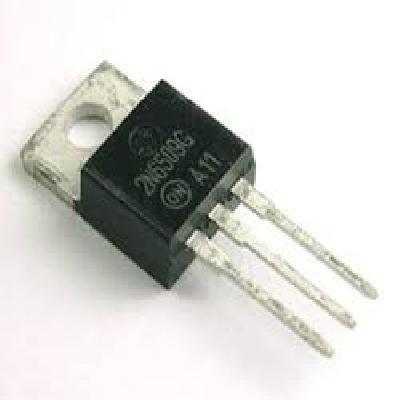
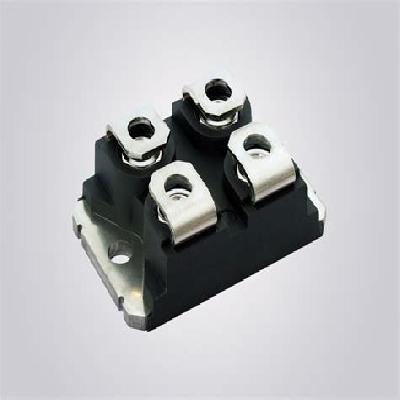
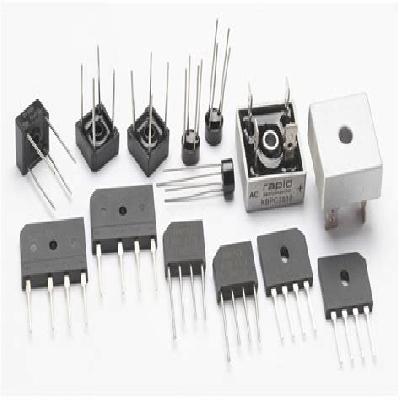
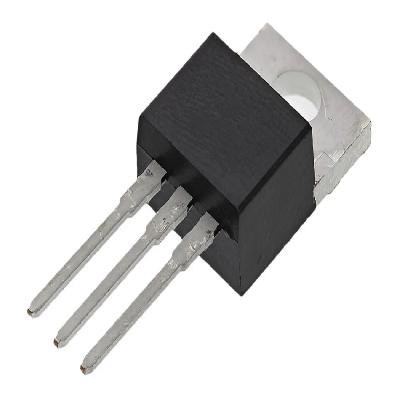
Semiconductor rectifiers are electronic devices that convert alternating current (AC) to direct current (DC). They use semiconductor materials, such as silicon or germanium, to control the flow of electrical current.
Where To Use Semiconductor Rectifiers
Semiconductor rectifiers are commonly used in various industrial applications, including power supplies, motor control systems, and renewable energy systems.
Key Features Of Semiconductor Rectifiers
High efficiency and reliability
Low power loss and heat generation
Compact design and low weight
Long lifespan and minimal maintenance required
How To Use Semiconductor Rectifiers
Connect the rectifier to a power source and ensure proper wiring
Set the desired output voltage and current levels
Monitor the rectifier's performance and adjust as necessary
Maintain regular inspections and cleaning to prevent overheating
How Semiconductor Rectifiers Is Manufactured
The manufacturing process involves several stages, including material selection and preparation, wafer fabrication, assembly, and testing.
Technical Specification Of Semiconductor Rectifiers
Reverse Voltage (Vr)
Up to 200 V
Forward Current (If)
Up to 10 A
Operating Temperature Range (Tj)
-40°C to +125°C
Package Type (Pkg)
TO-220
The specifications listed above are typical for semiconductor rectifiers and may vary depending on the manufacturer and specific product.
Description Of Semiconductor Rectifiers
Semiconductor rectifiers are compact, efficient devices that play a crucial role in various industrial applications.
Related Products & Synonyms Of Semiconductor Rectifiers
Diodes, Thyristors, and Triacs are related products of semiconductor rectifiers.
Synonyms for semiconductor rectifiers include power rectifiers, AC-DC converters, and voltage regulators.