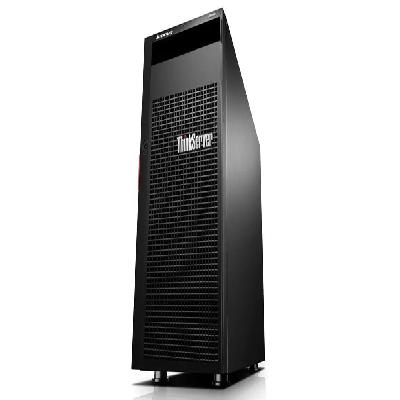
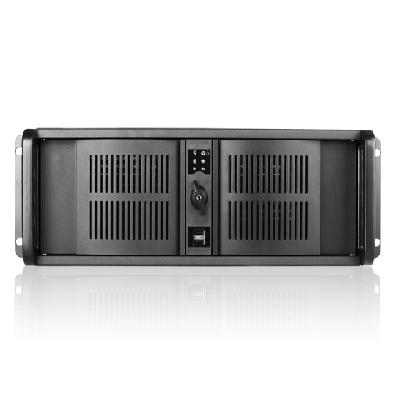
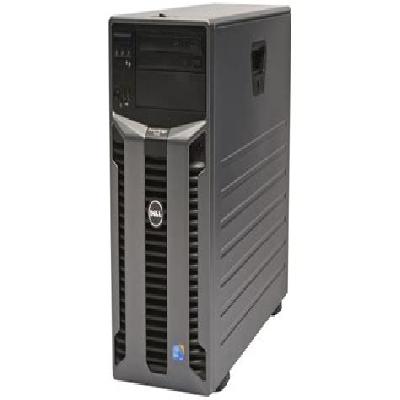
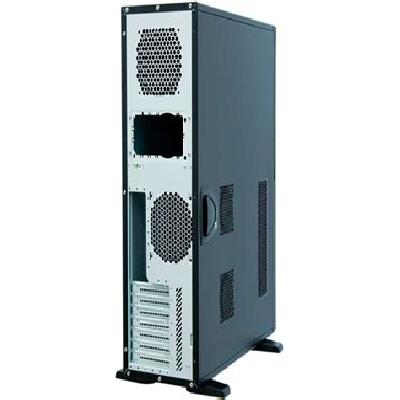
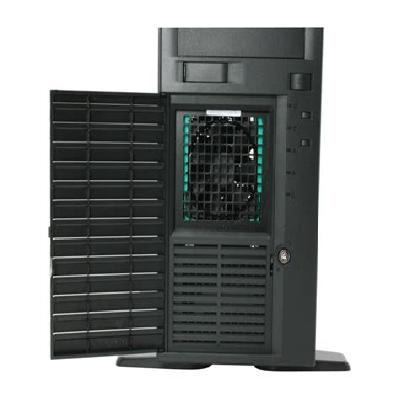
A server chassis is a metal casing that houses computer servers, providing a structure to mount the components such as power supplies, hard drives, and expansion cards.
Where To Use Server Chassis
Server chassis are typically used in data centers, server rooms, and other industrial environments where multiple servers need to be housed.
Key Features Of Server Chassis
Space for multiple servers and components
Easy access to internal components
Durable construction for heavy use
Good airflow for cooling
How To Use Server Chassis
Mount the server components to the chassis
Connect power cables and other necessary connections
Close the chassis and secure it with screws
Install the chassis in a data center or server room
How Server Chassis Is Manufactured
Server chassis are manufactured using high-strength steel and other materials, with a focus on durability and ease of assembly.
Technical Specification Of Server Chassis
Drive Bays:
8-12
Rack Size:
1U-4U
Build Material:
Steel
Expansion Slots:
10-20
The technical specifications of a server chassis are critical to its performance and reliability. The drive bays, rack size, build material, and expansion slots all play important roles in determining the overall capacity and efficiency of the system.
In general, a server chassis with more drive bays and expansion slots will be able to handle more servers and components, making it a better choice for large-scale data centers or high-traffic applications.
The build material of the chassis is also important, as it must be able to withstand the heat and humidity of a server room environment.
Overall, the technical specifications of a server chassis are critical to its performance and reliability, and should be carefully considered when selecting a system for your needs.
Description Of Server Chassis
A server chassis is a metal casing that houses computer servers, providing a structure to mount the components such as power supplies, hard drives, and expansion cards.