Sewer pipes are a type of piping used for the conveyance and disposal of sewage from residential, commercial, or industrial areas. They are designed to withstand various environmental conditions, including extreme temperatures, water pressure, and chemical exposure.
Where To Use Sewer Pipes
Sewer pipes are used in various applications, including:
Residential areas for sewage disposal
Commercial buildings for waste management
Industrial facilities for chemical and wastewater treatment
Key Features Of Sewer Pipes
Durable and resistant to corrosion
High flow capacity and water pressure resistance
Anti-bacterial and anti-fungal properties for healthy pipe maintenance
How To Use Sewer Pipes
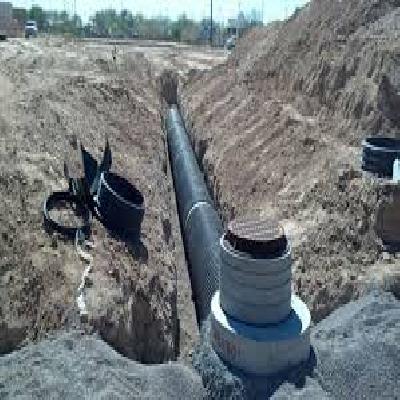
Installation: Dig trenches and lay pipes according to local building codes
Maintenance: Regularly inspect and clean pipes for blockages and damage
Repair: Use approved materials and techniques to fix damaged or leaking pipes
How Sewer Pipes Is Manufactured
Sewer pipes are manufactured using various materials, including PVC, HDPE, and concrete. The production process involves extrusion, molding, or casting, followed by quality control checks to ensure durability and performance.
Technical Specification Of Sewer Pipes
Diameter:
8-48 inches
Length:
10-100 feet
Wall Thickness:
1.5-3 inches
Load Capacity:
Up to 5000 lbs/ft2
The technical specifications of sewer pipes are crucial in determining their suitability for various applications. The diameter, length, and wall thickness of the pipe should be carefully selected to ensure optimal flow capacity and resistance to water pressure. Additionally, the load capacity of the pipe should be considered to ensure it can withstand various environmental conditions.
Description Of Sewer Pipes
Sewer pipes are designed to provide a reliable and efficient means of conveying sewage from residential, commercial, or industrial areas. They are constructed using durable materials that can withstand various environmental conditions, including extreme temperatures, water pressure, and chemical exposure.