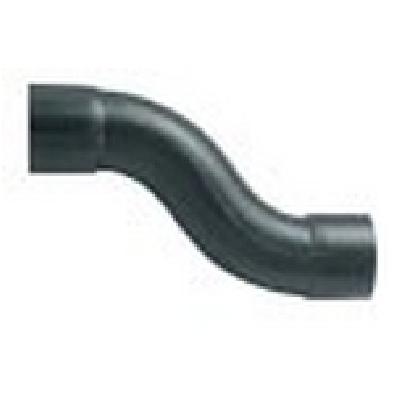
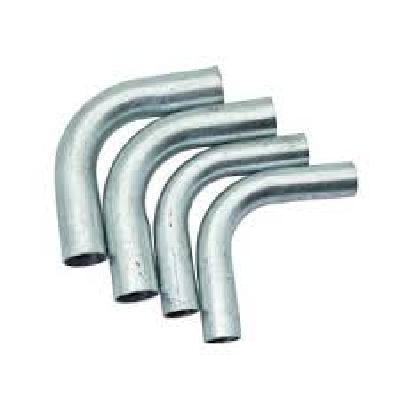
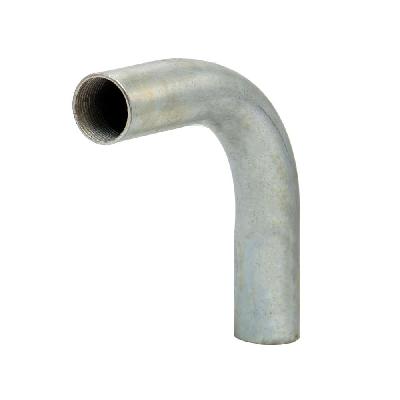
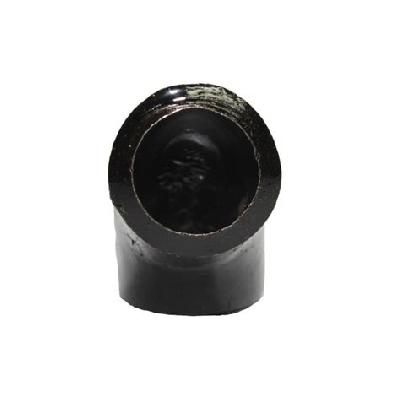
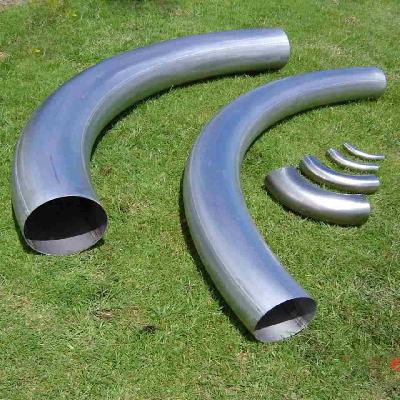
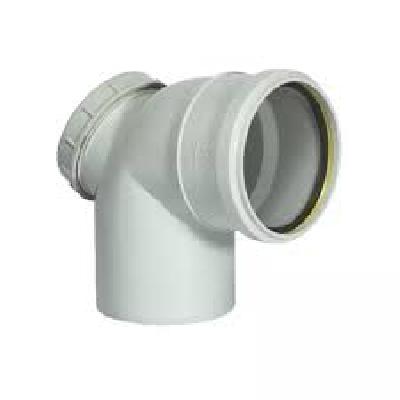
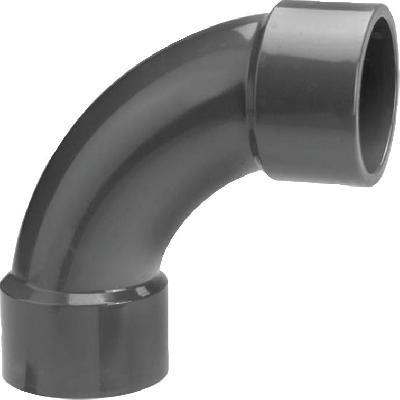
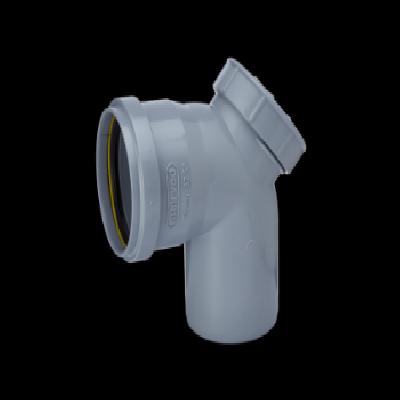
Short Bend is a type of pipe fitting used in plumbing and piping systems to create a change in direction. It consists of a curved section that allows for smooth flow of fluids or gases while maintaining pressure.
Where To Use Short Bend
Short Bends are commonly used in various industrial and commercial applications, including:
Piping systems for chemicals and petrochemicals
Water treatment plants
Heating and cooling systems
Food processing industries
Key Features Of Short Bend
High-pressure resistance
Corrosion-resistant materials
Durable construction
Suitable for high-temperature applications
Easy installation and maintenance
How To Use Short Bend
Choose the correct size and material for your application
Clean and deburr the pipe before installing the Short Bend
Use a wrench or pipe wrench to secure the Short Bend in place
Ensure proper connections and tighten all fittings securely
How Short Bend Is Manufactured
Short Bends are typically manufactured using high-quality raw materials, such as stainless steel or ductile iron, through a combination of casting and machining processes.
Technical Specification Of Short Bend
Nominal Pipe Size:
1/2" to 12"
Material:
Stainless Steel, Ductile Iron
Connection Type:
Threaded, Socket Weld
Pressure Rating:
Up to 3000 psi
Temperature Rating:
-20°C to 150°C
The technical specification of Short Bends ensures that they can withstand high pressures and temperatures while maintaining fluid flow efficiency. The selection of materials, connection type, and pressure rating must be carefully considered to ensure compatibility with the specific application.
Description Of Short Bend
Short Bends are designed to provide a smooth transition in piping systems, allowing for efficient fluid flow while minimizing pressure loss. Their compact design and durable construction make them suitable for various industrial applications.