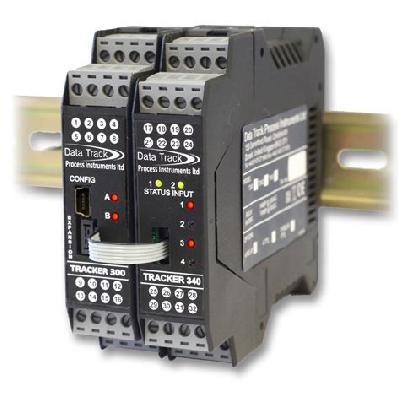
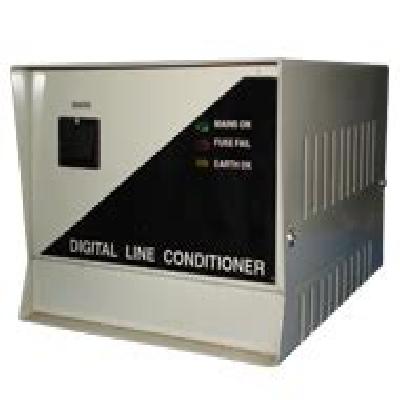
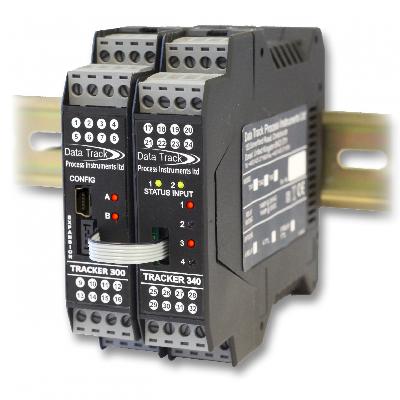
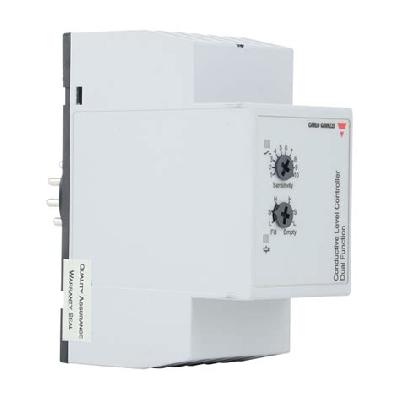
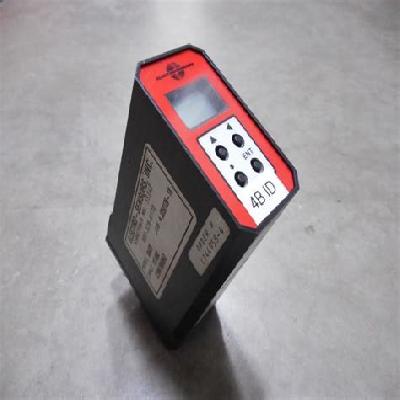
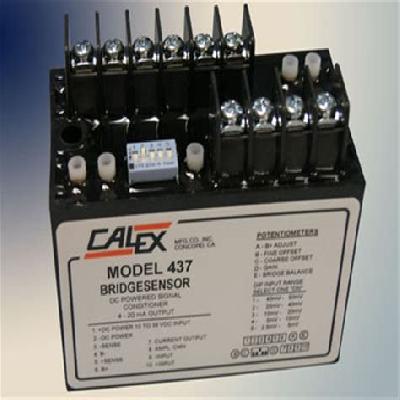
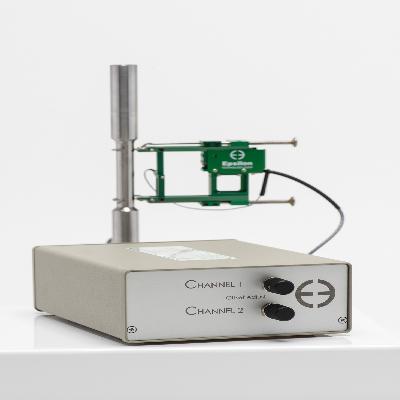
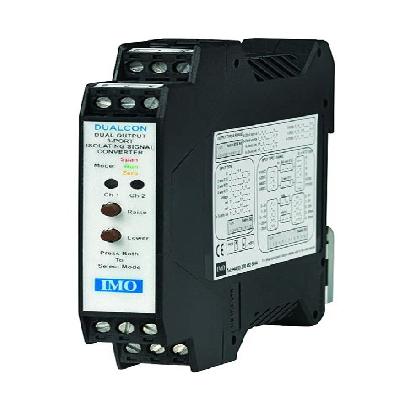
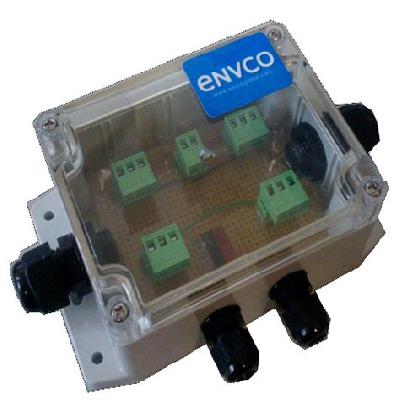
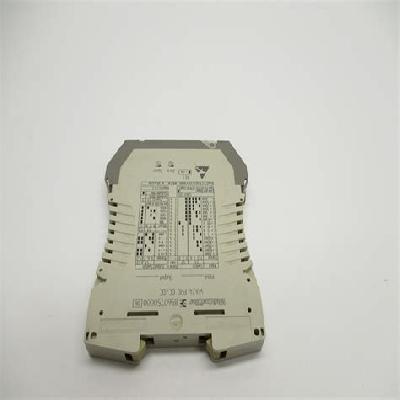
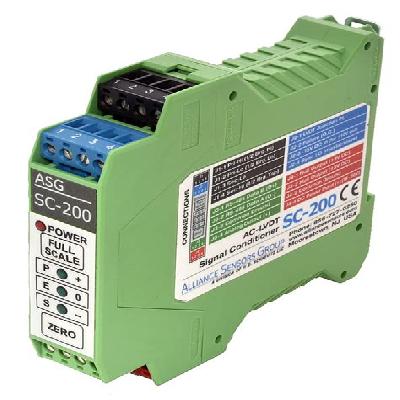
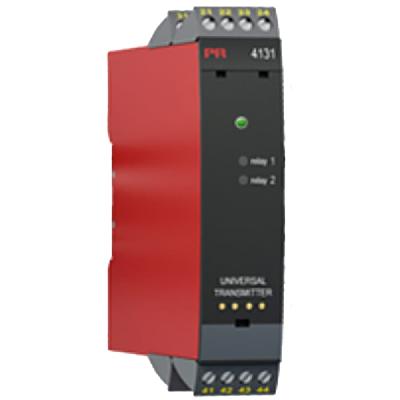
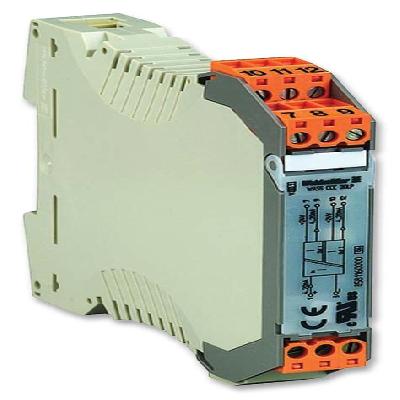
Signal conditioners are electronic devices used to adjust the electrical signal from a sensor or transducer to a level that can be read by an instrument or control system.
Where To Use Signal Conditioners
Industrial automation and control systems.
Measurements and monitoring of physical parameters such as temperature, pressure, flow rate, etc.
Precision instrumentation and measurement equipment.
Key Features Of Signal Conditioners
Input voltage range adjustment.
Isolation of input and output signals.
High common-mode rejection ratio.
Low power consumption.
How To Use Signal Conditioners
Connect the signal conditioner to the sensor or transducer.
Adjust the input voltage range according to the sensor's output.
Check the output signal level and adjust as necessary.
How Signal Conditioners Is Manufactured
Signal conditioners are manufactured using a combination of semiconductor and printed circuit board (PCB) technologies.
Technical Specification Of Signal Conditioners
Input Voltage Range:
±10V to ±30V
Input Current Range:
±1mA to ±10mA
Input Impedance:
100k? to 1M?
Isolation Voltage:
1000V AC/DC to 5000V AC/DC
Mounting Type:
Panel mount, DIN rail mount, etc.
The technical specifications of signal conditioners can vary depending on the specific application and requirements. In general, they should have a high degree of accuracy and reliability to ensure that the signals are processed correctly and efficiently.
Description Of Signal Conditioners
Signal conditioners are electronic devices that process and adjust the electrical signal from a sensor or transducer to a level that can be read by an instrument or control system.
Related Products & Synonyms Of Signal Conditioners