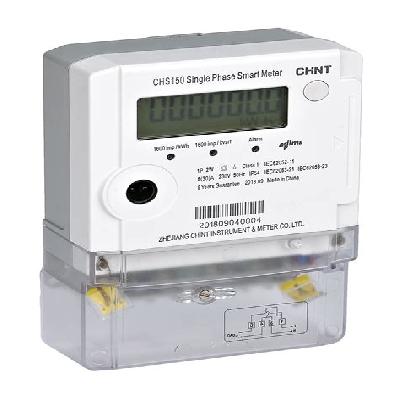
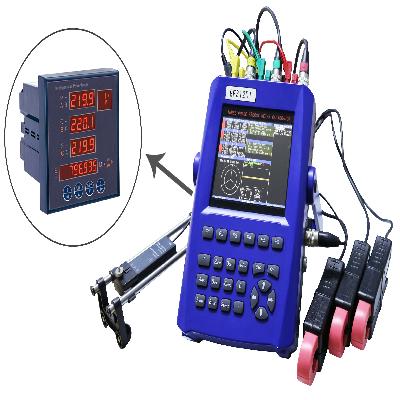
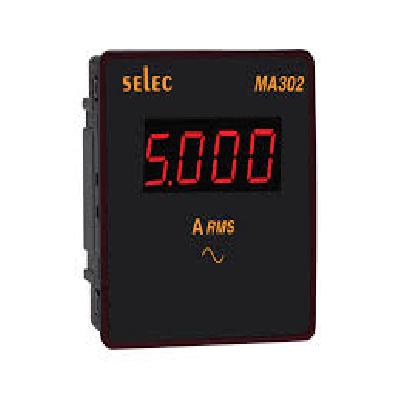
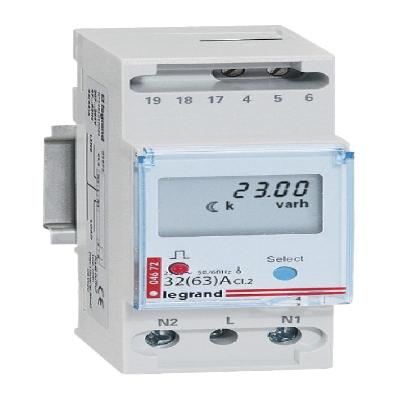
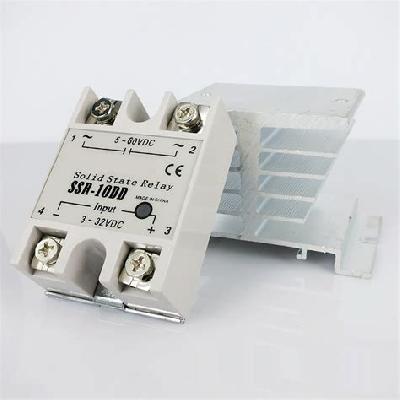
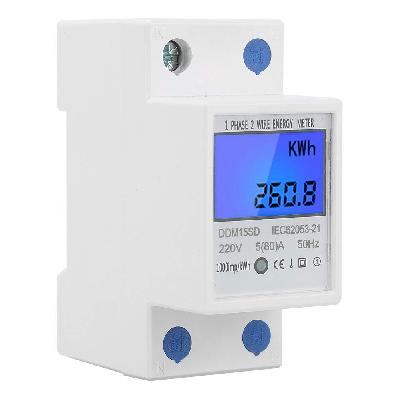
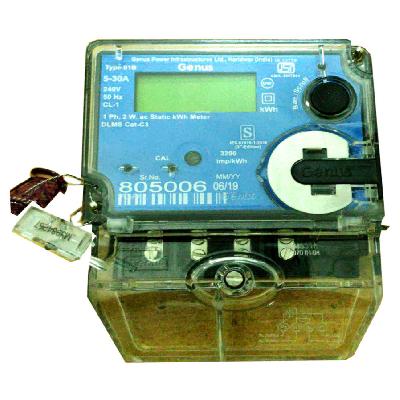
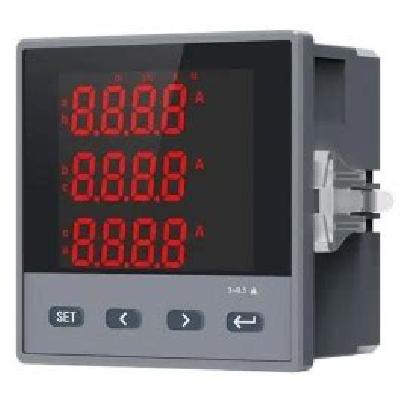
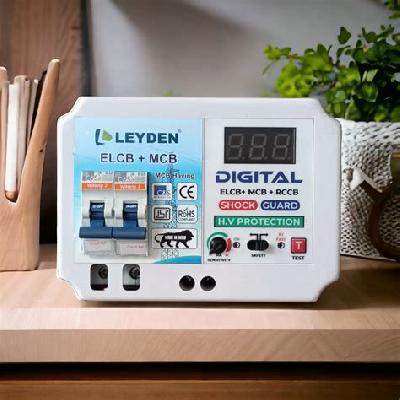
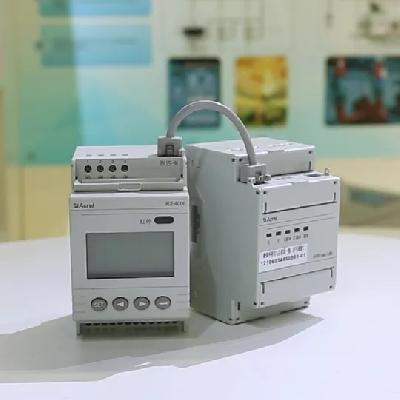
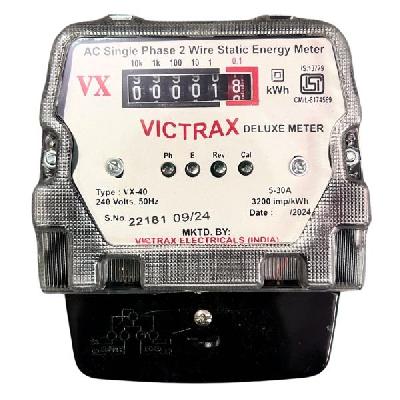
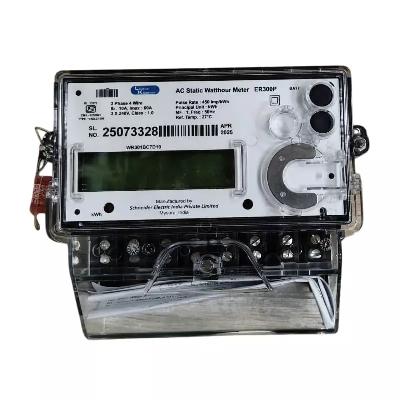
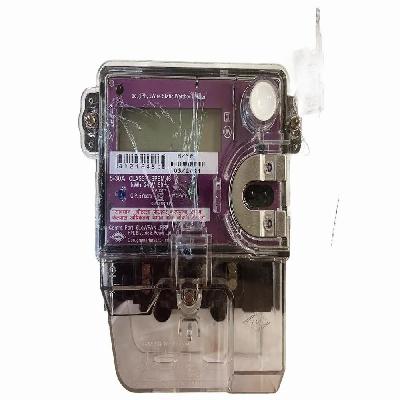
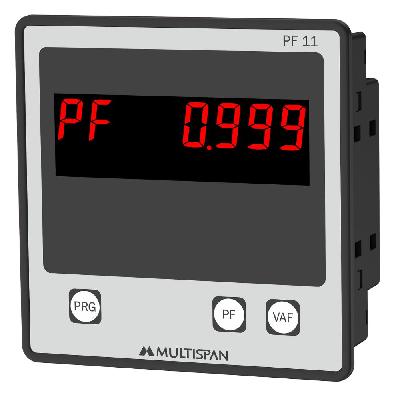
A single phase meter is an electrical measurement device that monitors and records the consumption of electricity in a single-phase power system. It typically measures voltage, current, power factor, and other relevant parameters to provide accurate and reliable energy readings.
Single phase meters are commonly used in residential, commercial, and industrial settings where single-phase electrical supply is available. They play a crucial role in monitoring energy consumption, detecting power quality issues, and optimizing energy efficiency.
Where To Use Single Phase Meter
Residential areas for monitoring household energy consumption
Commercial buildings for managing office or store energy usage
Industrial facilities for tracking manufacturing process energy consumption
Farmhouses and rural areas where single-phase electrical supply is available
Off-grid systems, such as solar-powered homes or remote cabins
Key Features Of Single Phase Meter
Accurate and reliable energy readings
Support for various communication interfaces (e.g., MODBUS, BACnet)
Detailed display of voltage, current, power factor, and other parameters
High-precision measurement capabilities
Compact design for easy installation in limited spaces
Long-term reliability and durability
How To Use Single Phase Meter
Install the meter in a suitable location, following manufacturer guidelines
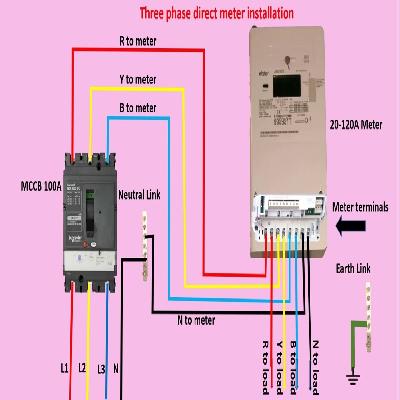
Connect the meter to the single-phase power supply using the provided connectors
Configure the meter's settings, such as communication interface and display options
Monitor energy consumption and other parameters through the meter's display or connected devices
Maintain regular checks on the meter's condition and accuracy
How Single Phase Meter Is Manufactured
The manufacturing process of single phase meters involves several stages, including design and development, component selection and procurement, assembly, testing, and quality control.
Modern manufacturing facilities utilize advanced technologies, such as computer-aided design (CAD) software, to ensure precise engineering and efficient production processes.
Technical Specification Of Single Phase Meter
Voltage Rating:
220-240V AC, 50/60Hz
Frequency:
50/60Hz
Current Rating:
10-30A, depending on the model
Power Consumption:
5-20W, depending on the model
Display Type:
LCD or LED display with backlight
Communication Interfaces:
MODBUS, BACnet, and other popular protocols
Operating Temperature Range:
-20°C to +60°C, depending on the model
The technical specification of the single phase meter includes various parameters that determine its performance and functionality. The voltage rating is typically in the range of 220-240V AC, with a frequency of 50/60Hz. The current rating can vary between 10-30A, depending on the model, while the power consumption ranges from 5-20W. The display type usually features an LCD or LED display with backlight for clear visibility.
The communication interfaces supported by the meter include MODBUS, BACnet, and other popular protocols, allowing for seamless integration with various systems and devices. Operating temperature range varies between -20°C to +60°C, depending on the model, ensuring reliable performance in different environments.
Understanding these technical specifications is crucial for selecting the right single phase meter that meets specific needs and requirements.