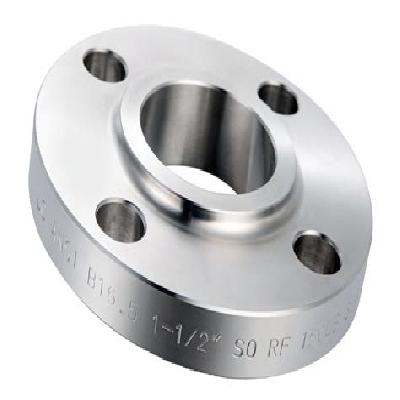
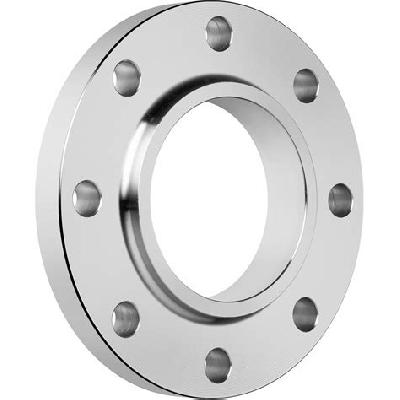
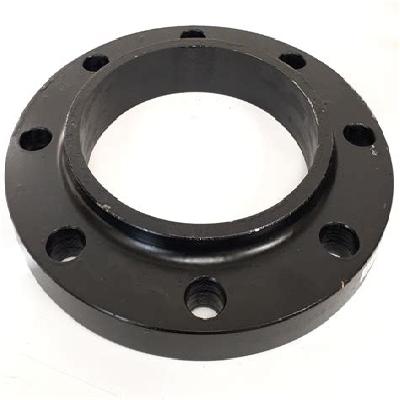
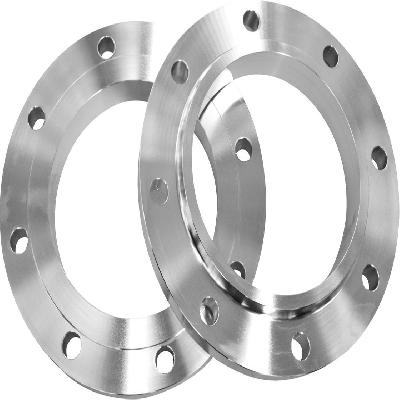
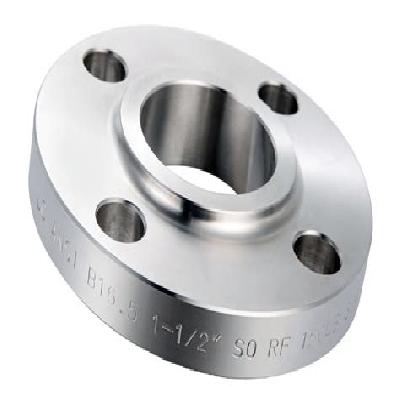
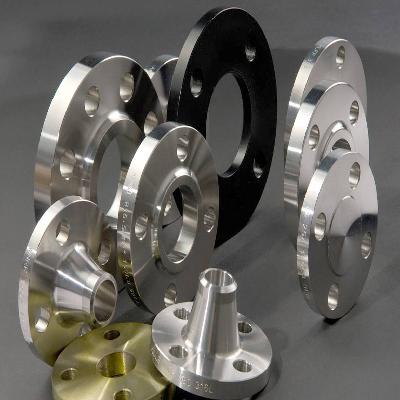
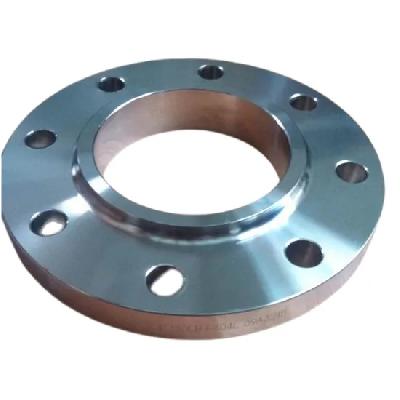
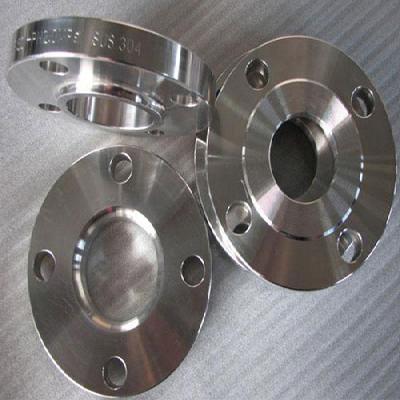
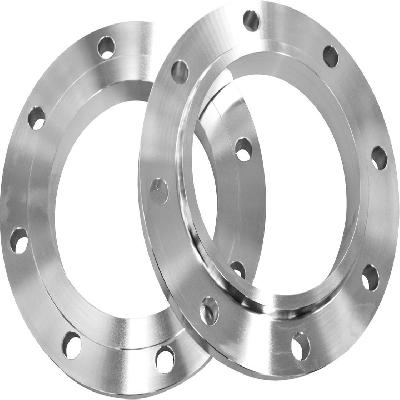
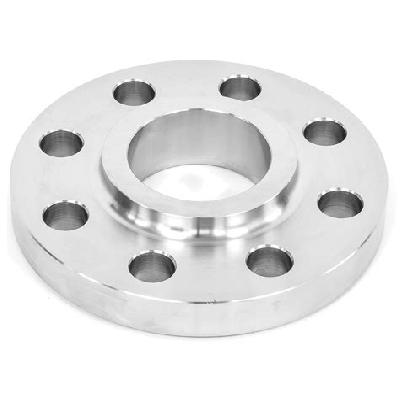
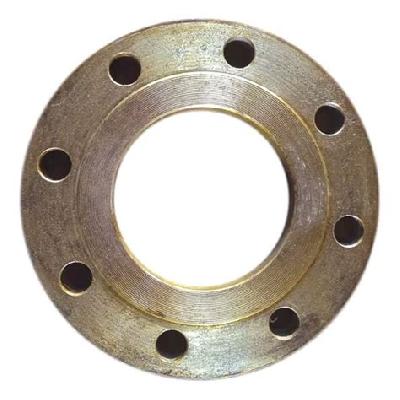
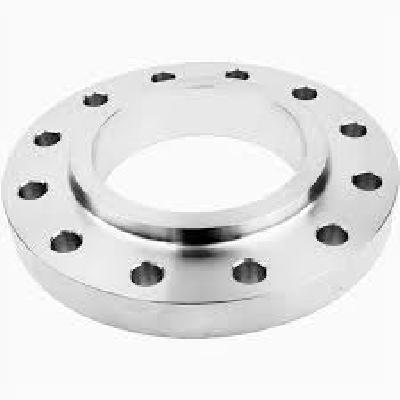
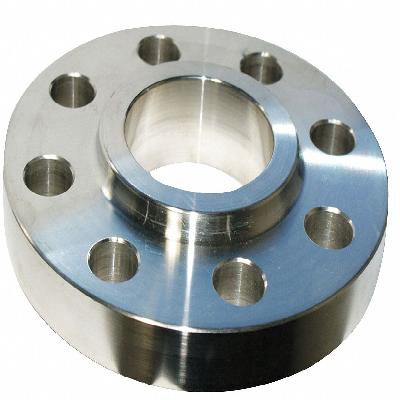
Slip on flanges are a type of pipe fitting used to connect pipes or tubes in piping systems. They are called "slip on" because they slip onto the end of a pipe, creating a seal that prevents leaks.
Where To Use Slip On Flanges
Slip on flanges are commonly used in a variety of industrial applications, including:
Pipeline construction and maintenance
Power generation plants
Refineries and petrochemical plants
Oil and gas processing facilities
Key Features Of Slip On Flanges
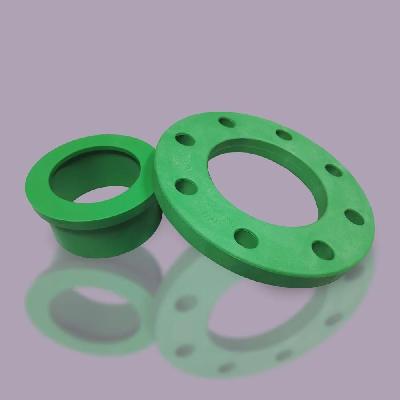
Slip on flanges are available in a variety of materials, including carbon steel, stainless steel, and aluminum.
The flange face is raised to ensure a secure seal with the pipe or tube.
They are designed for high pressure applications and can withstand extreme temperatures.
Easy to install and maintain.
How To Use Slip On Flanges
Slip on flanges are installed by sliding them onto the end of a pipe or tube.
The flange face is then secured with bolts to create a seal.
Maintain the flanges regularly to ensure optimal performance and prevent damage.
How Slip On Flanges Is Manufactured
Slip on flanges are manufactured using a combination of machining and welding techniques.
Technical Specification Of Slip On Flanges
Size:
1/2" to 24"
Material:
Carbon Steel, Stainless Steel, Aluminum
Pressure Rating:
Up to 2500 PSI
Temperature Rating:
-20°F to 800°F (-29°C to 427°C)
Flange Thickness:
1/8" to 2"
The technical specifications of slip on flanges are critical in ensuring the safe and efficient operation of piping systems. The size, material, pressure rating, temperature rating, and flange thickness must be carefully selected to meet the specific requirements of each application.
Description Of Slip On Flanges
Slip on flanges are a type of pipe fitting that is designed to connect pipes or tubes in piping systems. They are called "slip on" because they slip onto the end of a pipe, creating a seal that prevents leaks.
Related Products & Synonyms Of Slip On Flanges
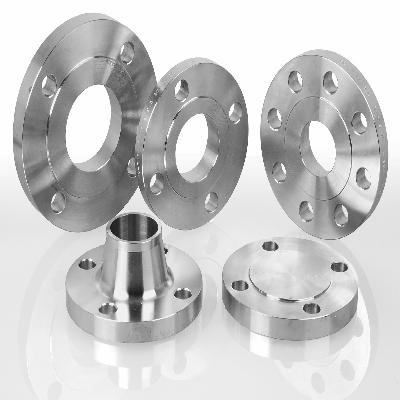
Slip on flanges are related to other products such as: