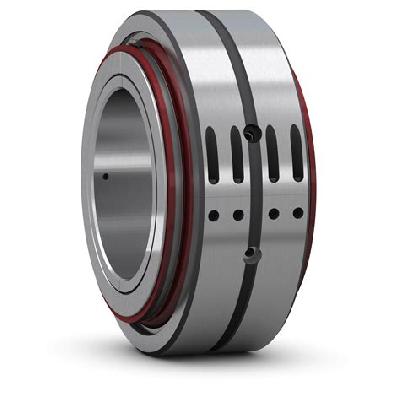
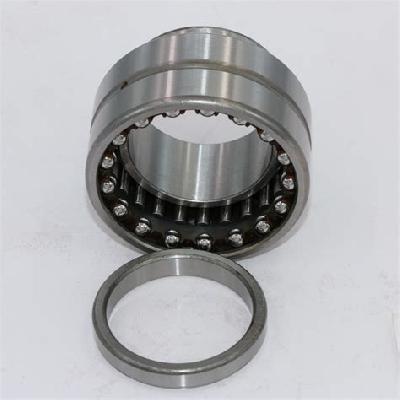
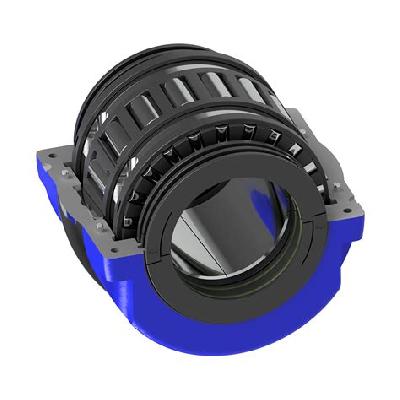
Split bearings are a type of bearing that has been split into two halves, allowing for easier installation and maintenance. They consist of a ring-shaped outer race and an inner ring with balls or rollers embedded in it.
Where To Use Split Bearings
Suitable for high-temperature and heavy-load applications.
Used in industries such as automotive, aerospace, and construction.
Recommended for use in split axles, hubs, and other machinery components.
Key Features Of Split Bearings
Easy installation and maintenance due to split design.
High load-carrying capacity due to robust construction.
Corrosion-resistant materials used for longer lifespan.
How To Use Split Bearings
Inspect the bearing for any signs of damage or wear before installation.
Clean the bearing surface to ensure proper seating.
Apply lubricant as required by the manufacturer's instructions.
How Split Bearings Is Manufactured
Split bearings are manufactured using high-quality materials and precision engineering techniques. The outer ring is typically made from a steel alloy, while the inner ring is made from a hardened steel material.
Technical Specification Of Split Bearings
Inner Diameter (mm)
22-60
Outer Diameter (mm)
30-70
Width (mm)
10-30
Load Rating (kN)
10-50
The technical specifications of split bearings are critical in ensuring proper performance and longevity. The inner diameter, outer diameter, width, and load rating all play a crucial role in determining the bearing's suitability for specific applications. It is essential to consult the manufacturer's documentation or seek expert advice when selecting the correct split bearing for your needs.
Description Of Split Bearings
Split bearings are designed to provide reliable support and smooth rotation in a wide range of industrial applications. Their split design allows for easy installation and maintenance, reducing downtime and increasing overall efficiency.