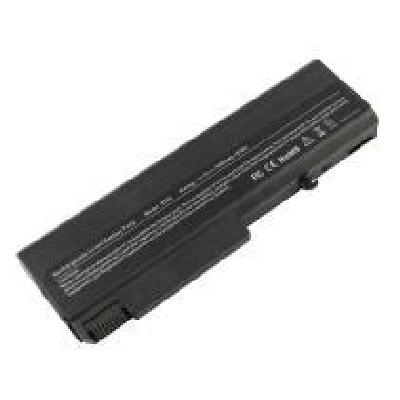
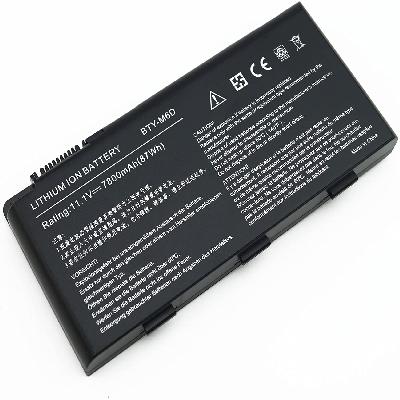
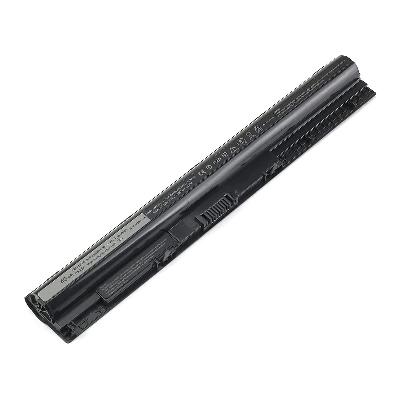
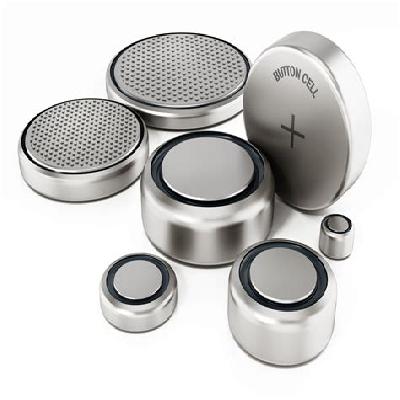
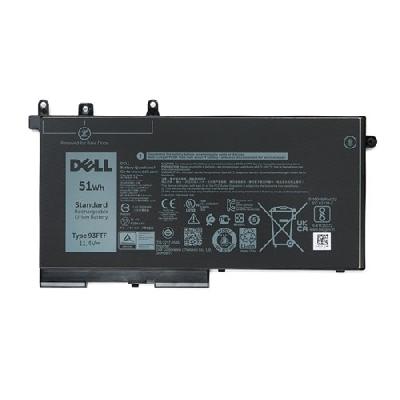
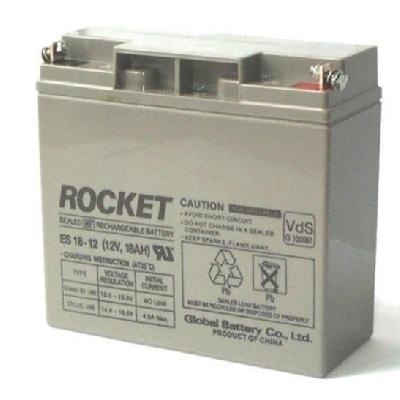
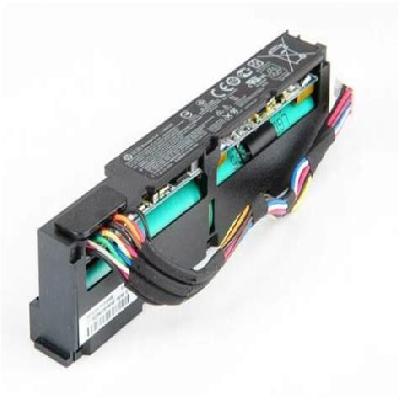
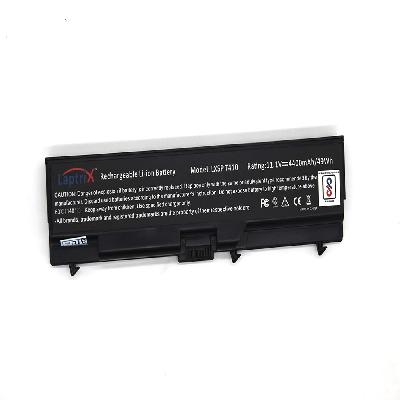
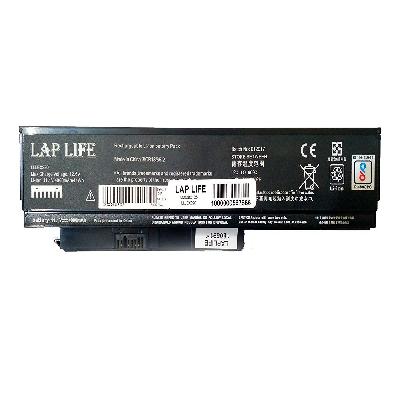
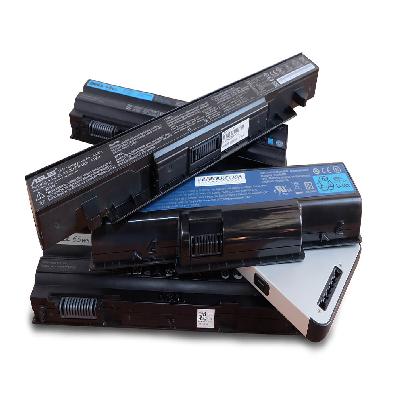
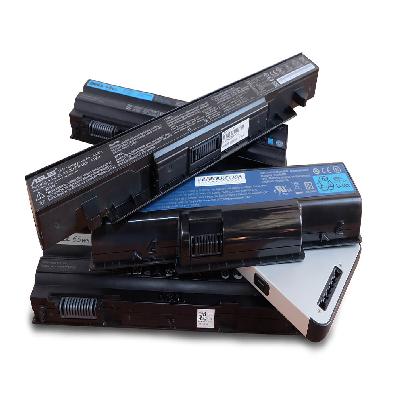
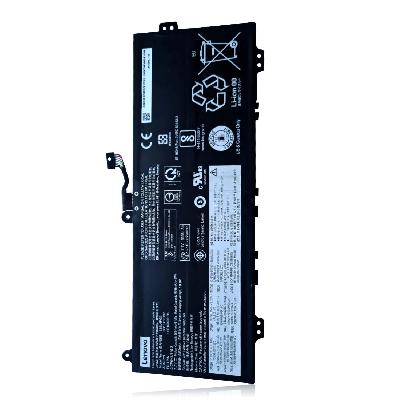
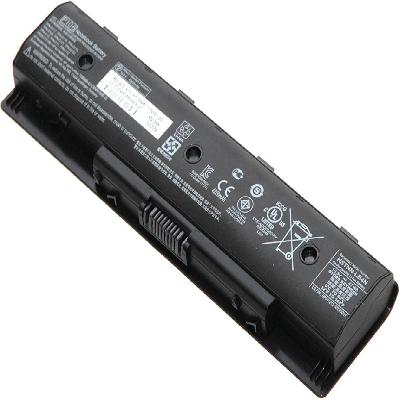
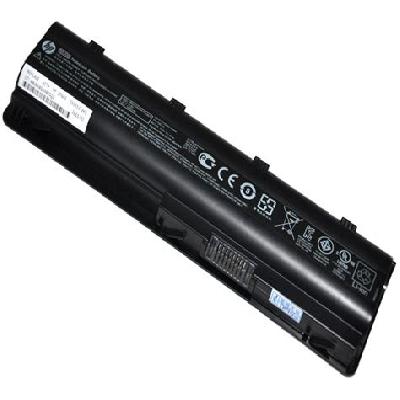
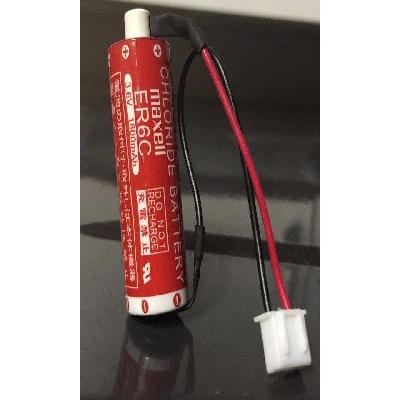
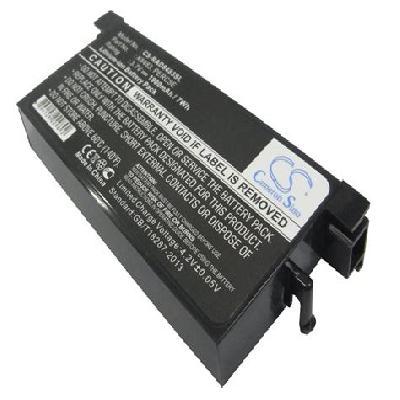
A storage battery is an electrical device that stores energy in the form of chemical energy, which can be converted into electrical energy when needed.
Where To Use Storage Battery
Industrial settings, such as factories and warehouses.
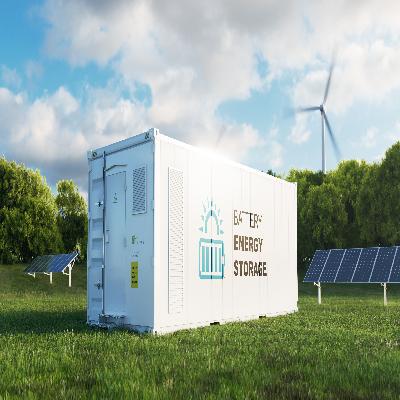
Homes with solar panels or wind turbines for energy storage.
Electric vehicles for propulsion and regenerative braking.
Key Features Of Storage Battery
High capacity to store energy.
Long cycle life for repeated charge and discharge cycles.
Low self-discharge rate to minimize energy loss over time.
How To Use Storage Battery
Charge the storage battery using a suitable charger.
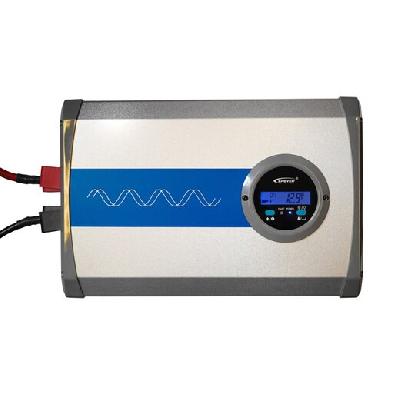
Connect the charged storage battery to an electrical load or inverter.
Monitor the storage battery's state of charge and health.
How Storage Battery Is Manufactured
The manufacturing process of a storage battery involves several steps, including cell assembly, module assembly, and final assembly. The cells are typically made from lead plates, separators, and electrolytes.
Technical Specification Of Storage Battery
Capacity:
12V/200Ah
Voltage:
12V
Weight:
25kg
Cycle Life:
500 cycles
The technical specifications of a storage battery are critical in determining its performance and suitability for a particular application. The capacity, voltage, weight, and cycle life are key factors to consider when selecting a storage battery.
Description Of Storage Battery
A storage battery is an electrical device that stores energy in the form of chemical energy, which can be converted into electrical energy when needed.
Related Products & Synonyms Of Storage Battery
Related products of storage battery include deep cycle batteries, traction batteries, and renewable energy storage systems. Synonyms for storage battery include battery, accumulator, and cell.