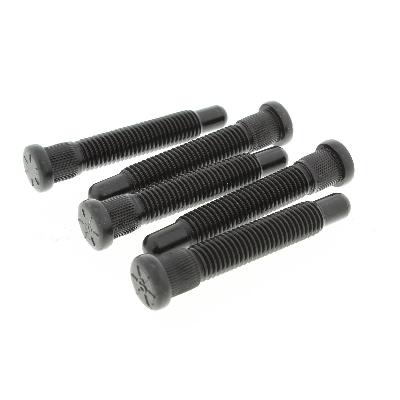
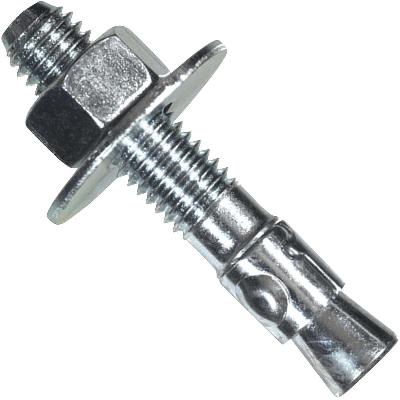
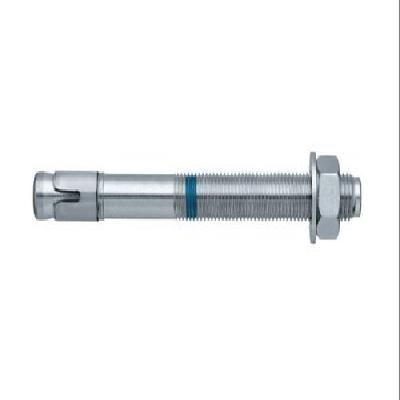
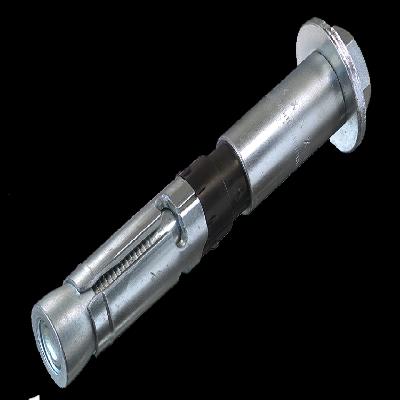
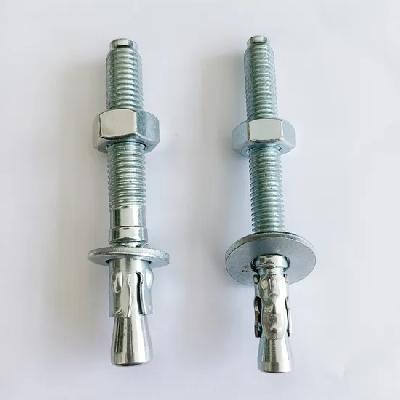
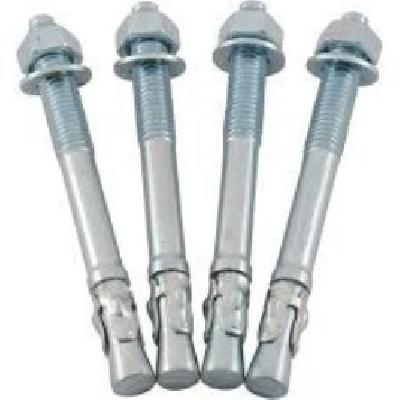
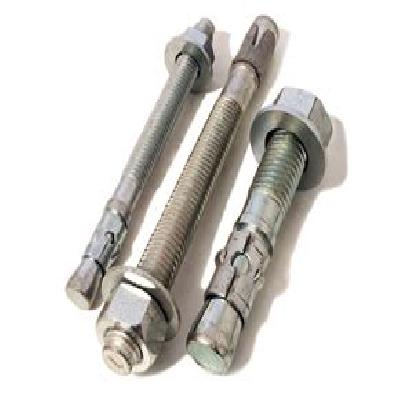
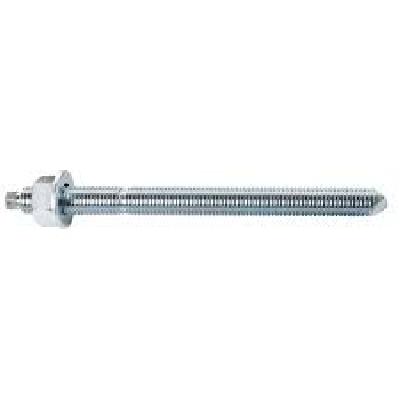
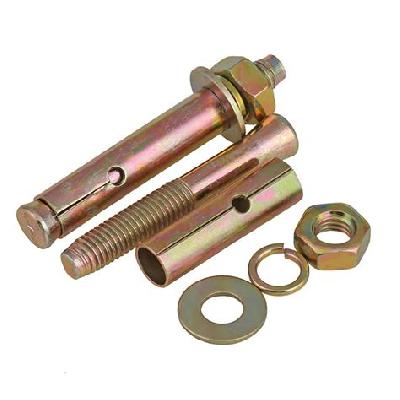
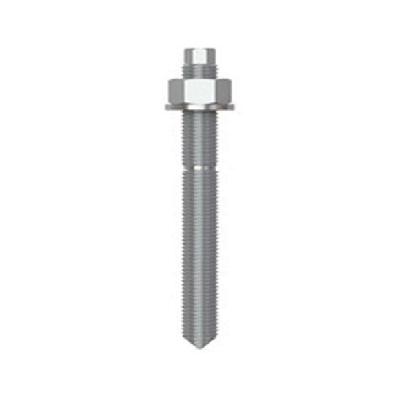
Stud anchors are industrial fasteners used to provide a secure and stable connection between two surfaces, typically in concrete or masonry walls.
Where To Use Stud Anchors
Construction sites for securing building materials such as drywall, plywood, and lumber.
Masonry repair and restoration projects to ensure stability and prevent collapse.
Industrial settings for anchoring equipment, machinery, and heavy loads.
Key Features Of Stud Anchors
Strong and durable design for withstanding heavy loads.
Easy to install, reducing labor costs and time.
Can be used in a variety of materials, including concrete, brick, and stone.
How To Use Stud Anchors
Drill a pilot hole in the surface, using a suitable drill bit for the material.
Insert the stud anchor into the pilot hole and tap it into place with a hammer or mallet.
Tighten the stud anchor securely to ensure stability and prevent loose connections.
How Stud Anchors Is Manufactured
Stud anchors are typically manufactured from high-strength steel alloys, using a combination of forging, machining, and coating processes to achieve the desired properties.
Technical Specification Of Stud Anchors
Diameter:
12 mm to 20 mm
Length:
50 mm to 100 mm
Material:
High-strength steel alloy (EN 24)
Thread Size:
M12 to M20
Finish:
Galvanized or zinc-plated for corrosion protection
The technical specifications of stud anchors are critical in determining their performance and suitability for specific applications. The diameter, length, material, thread size, and finish all contribute to the overall strength, durability, and corrosion resistance of the fastener.
Description Of Stud Anchors
Stud anchors are designed to provide a secure and stable connection between two surfaces, making them an essential component in various industrial applications.
Related Products & Synonyms Of Stud Anchors
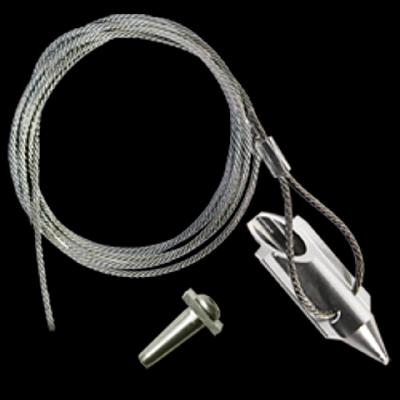
Stud anchors are often used in conjunction with other fasteners and anchoring systems, such as expansion anchors, anchor bolts, and screw anchors.