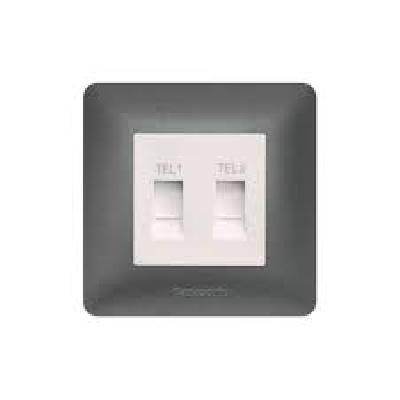
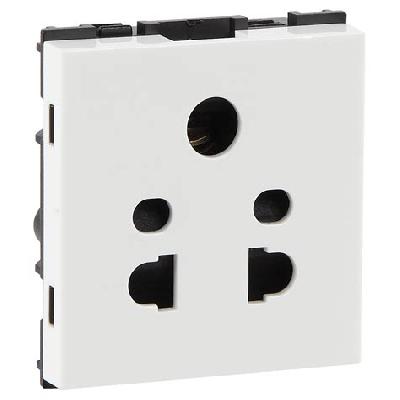
Telephone sockets are electrical connectors used for connecting and disconnecting telephone lines. They are typically used in homes, offices, and other buildings to provide a secure connection between the telephone line and the device.
Where To Use Telephone Sockets
Telephone sockets are used in a variety of locations, including:
Residential homes
Offices and commercial buildings
Hospitals and healthcare facilities
Schools and educational institutions
Key Features Of Telephone Sockets
Secure connection between telephone line and device
Durable construction to withstand frequent use
Easy to install and maintain
Available in various pin counts and connector types
How To Use Telephone Sockets
Identify the correct location for installation
Carefully strip and terminate the telephone cable
Insert the stripped end into the socket
Securely connect the other end to the device
How Telephone Sockets Is Manufactured
Telephone sockets are manufactured using high-quality materials and precise machinery to ensure durability and reliability.
Technical Specification Of Telephone Sockets
Pin Count:
4-8 pins
Connector Type:
RJ11, RJ45
Mounting Type:
Panel mount, Chassis mount
Voltage Rating:
10-60 VDC, 100-300 VAC
The technical specifications of telephone sockets include pin count, connector type, mounting type, and voltage rating. The correct choice of these specifications depends on the specific application and requirements. It is essential to ensure that the selected socket meets the necessary standards for safety and performance.
Description Of Telephone Sockets
Telephone sockets are designed to provide a secure and reliable connection between the telephone line and the device.
Related Products & Synonyms Of Telephone Sockets
Some related products of telephone sockets include:
Network sockets
Modem connectors
Serial interface connectors
Synonyms for telephone sockets include RJ11 Telephone Socket and Telephone Jack Socket.