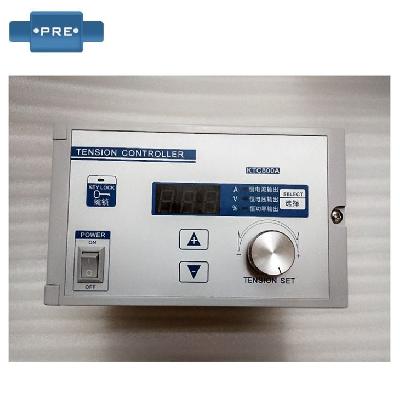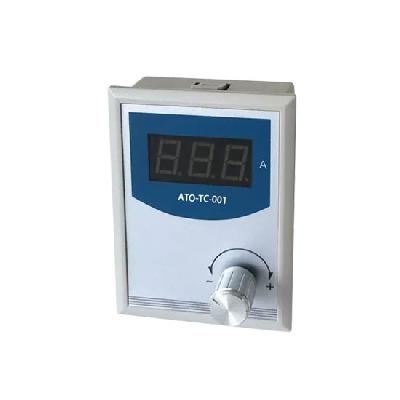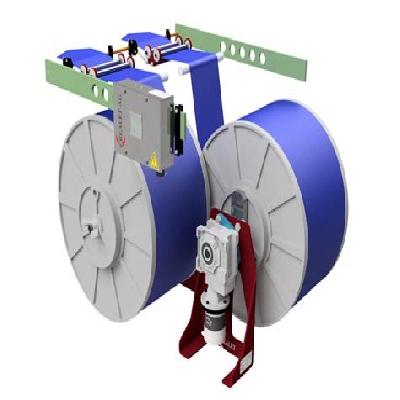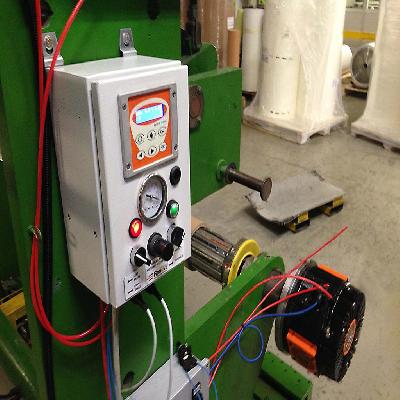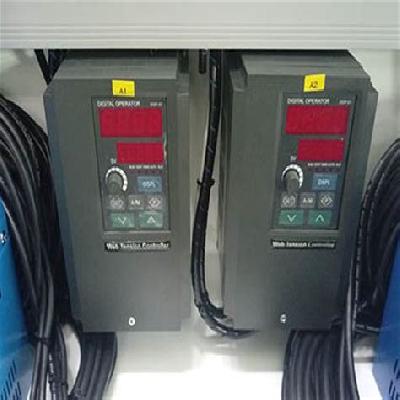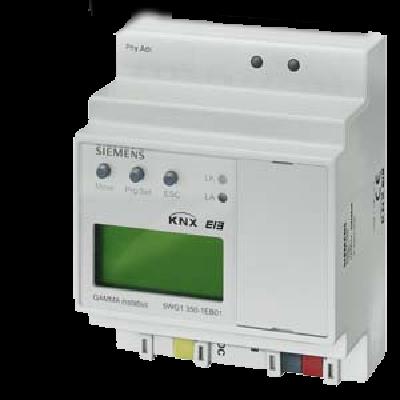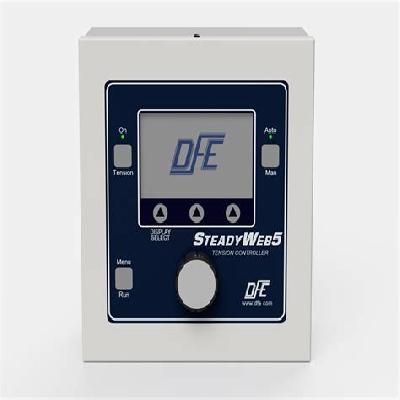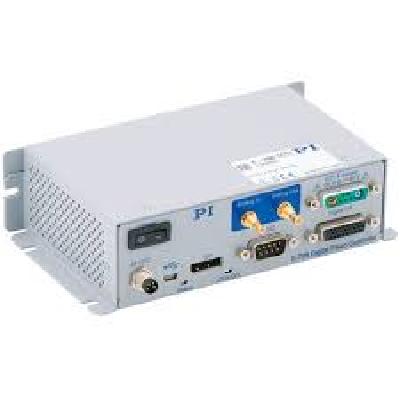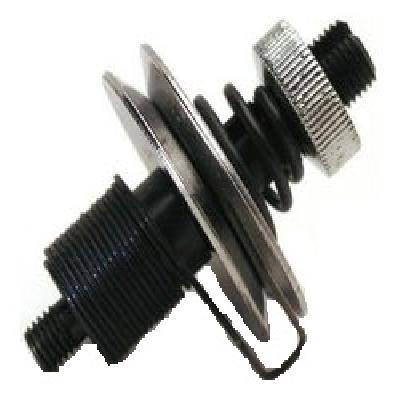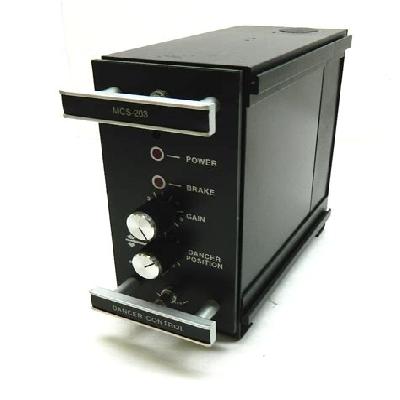
A tension controller is a device used to regulate and control the tension of materials such as textiles, wires, or fibers during various industrial processes.
Where To Use Tension Controller
Tension controllers are used in textile mills for controlling the tension of yarns and threads.
They are also used in wire and cable manufacturing for maintaining the required tension during drawing or extrusion processes.
In addition, tension controllers find applications in paper and film production for regulating the web tension.
Key Features Of Tension Controller
High precision and accuracy in tension control.
Ability to handle a wide range of materials and tensions.
Easy operation and maintenance.
Compact design for space-saving installation.
How To Use Tension Controller
Install the tension controller in a suitable location close to the process area.
Connect the material (yarn, wire, etc.) to be controlled to the input of the tension controller.
Adjust the setpoint and gain values according to the specific requirements of the process.
Monitor the output tension using the display and make necessary adjustments as needed.
How Tension Controller Is Manufactured
The manufacturing process of tension controllers typically involves the use of precision components and materials, such as stainless steel or aluminum alloys, for the mechanical parts. The control electronics are designed and assembled using high-quality components to ensure accurate and reliable performance.
Technical Specification Of Tension Controller
Tension Range:
10 N to 1000 N
Control Method:
Pneumatic, Hydraulic, or Electric
Display:
Digital LCD display with tension value and alarm indicators
Inputs:
Material sensing probe, pressure sensor, or other input devices as required
Communication:
RS-232, RS-485, or other communication protocols as required
The technical specification of a tension controller is critical in determining its performance and suitability for specific industrial applications. The key parameters include the tension range, control method, display, inputs, and communication protocols. By selecting the appropriate tension controller with the required specifications, manufacturers can ensure optimal process control and productivity.
Description Of Tension Controller
The tension controller is a highly specialized device designed to accurately regulate and control the tension of materials in various industrial processes. Its high precision, ease of operation, and reliability make it an essential tool for ensuring optimal process performance and product quality.
Related Products & Synonyms Of Tension Controller
Other related products include web tension controllers, yarn tension controllers, and wire tension controllers.
Synonyms for the tension controller include digital tension controller, electronic tension controller, and precision tension controller.