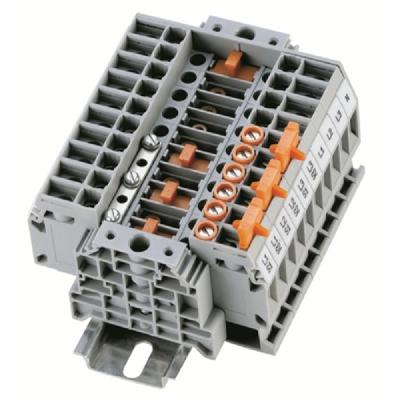
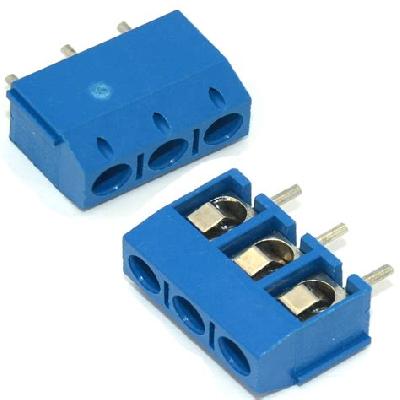
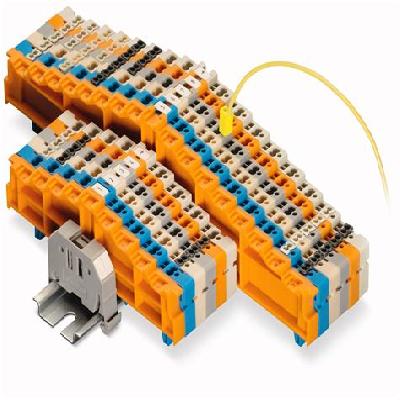
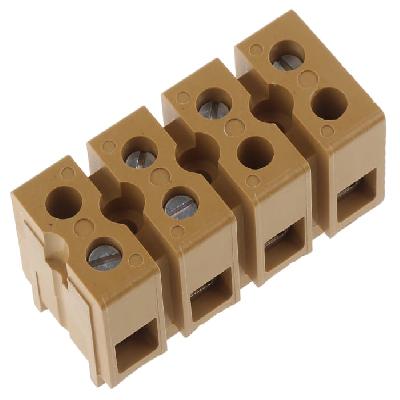
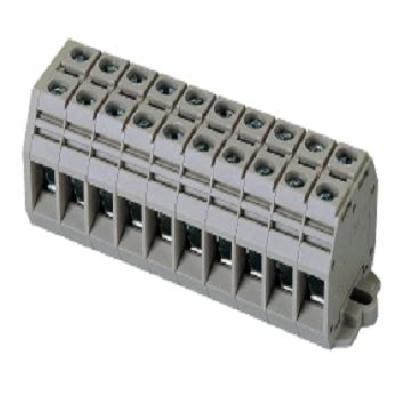
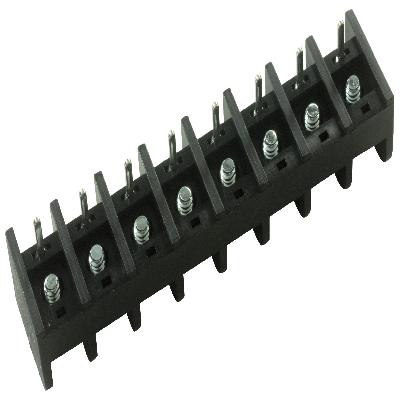
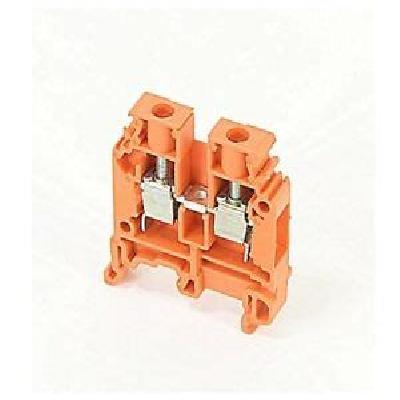
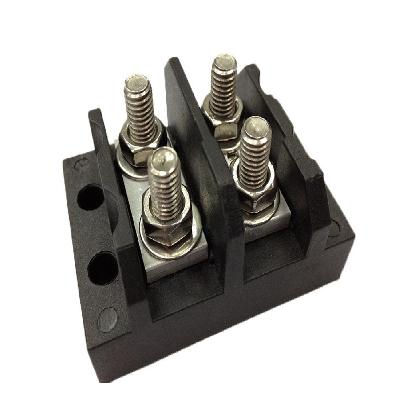
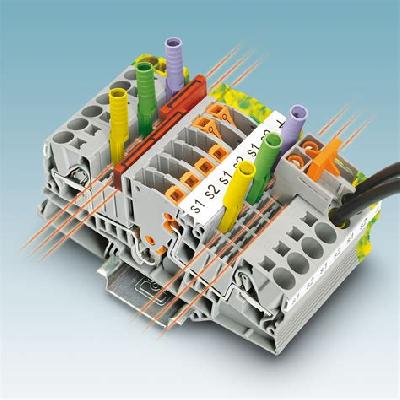
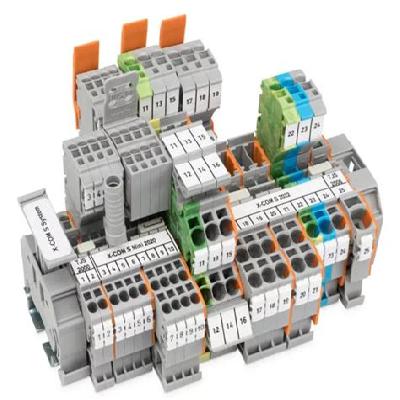
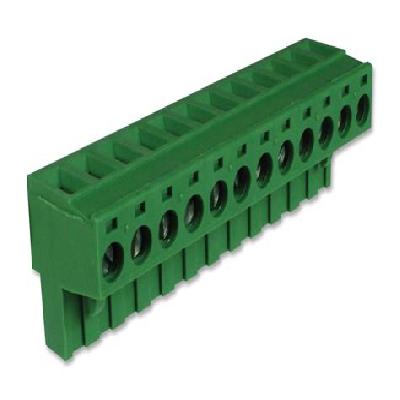
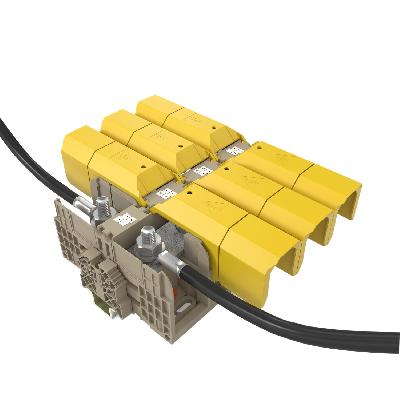
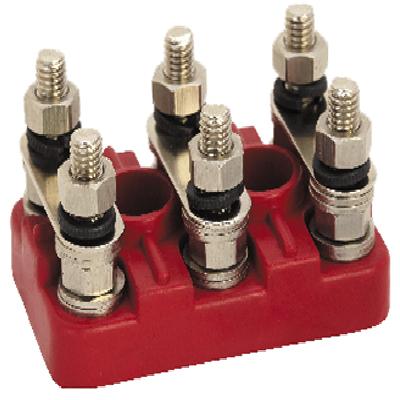
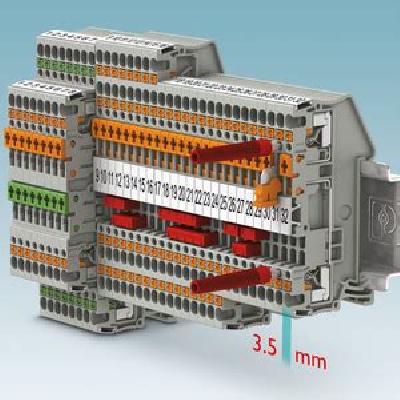
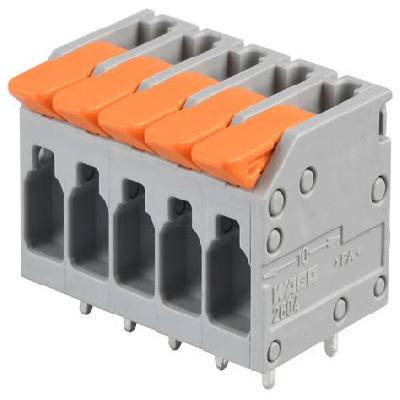
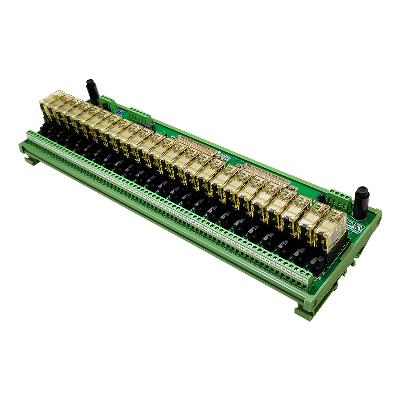
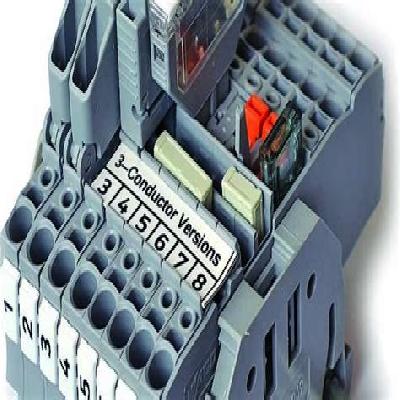
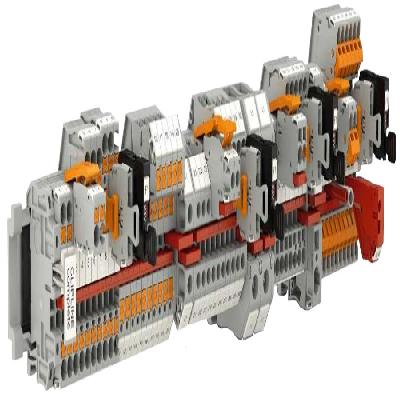
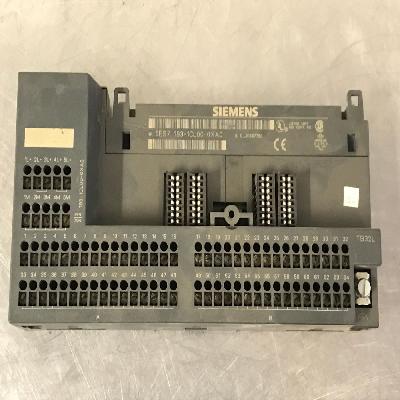
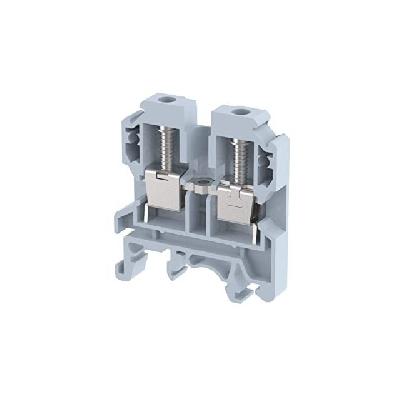
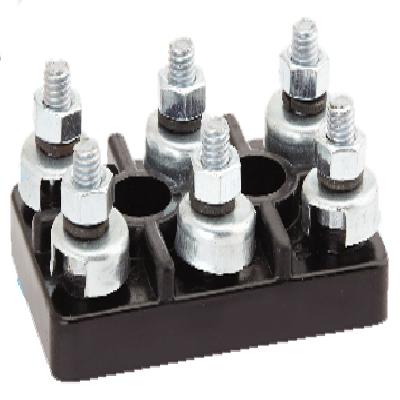
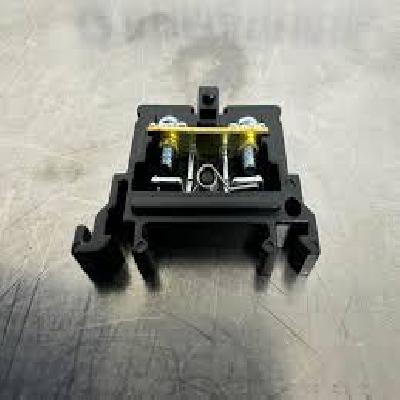
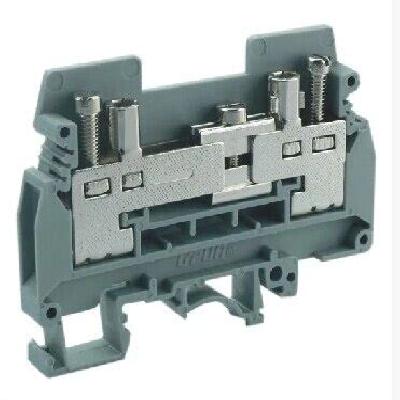
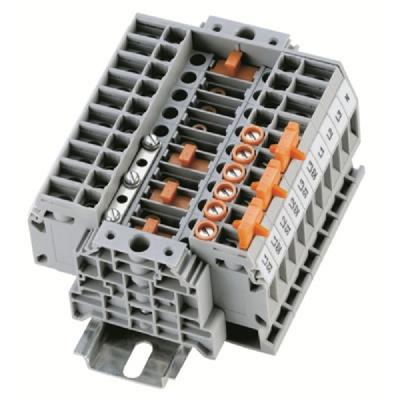
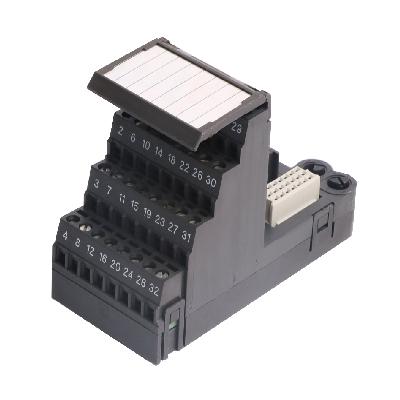
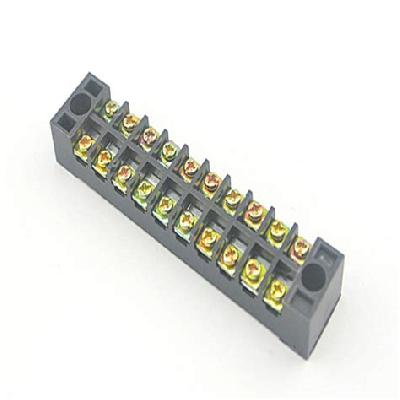
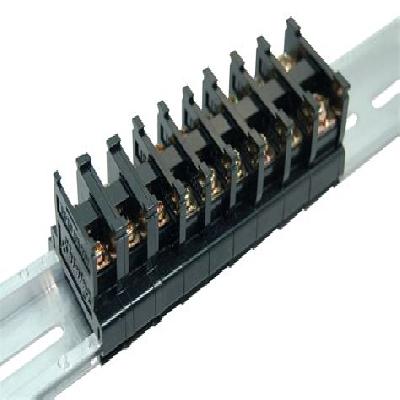
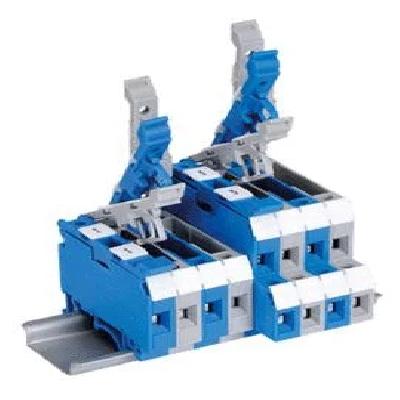
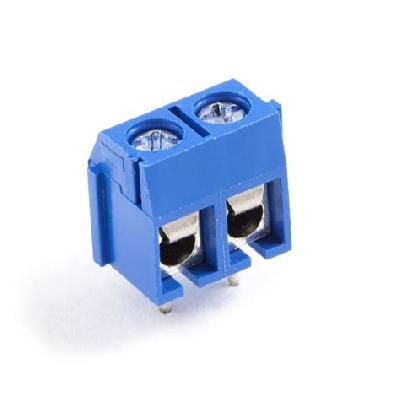
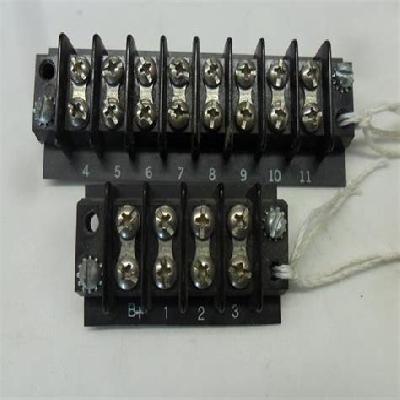
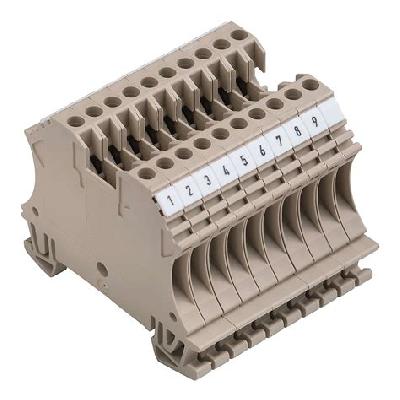
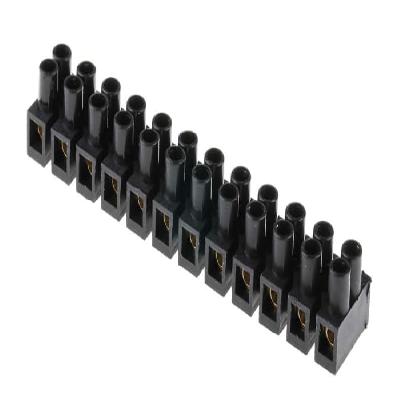
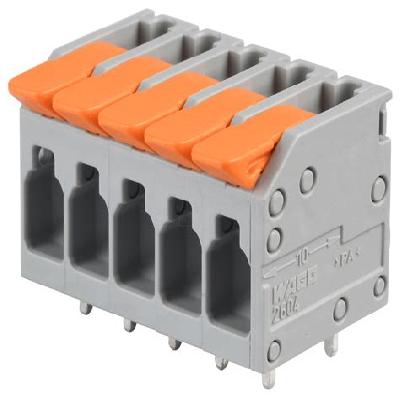
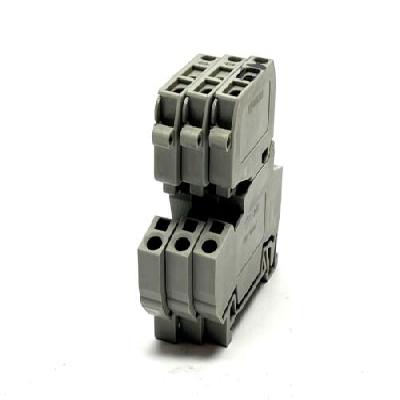
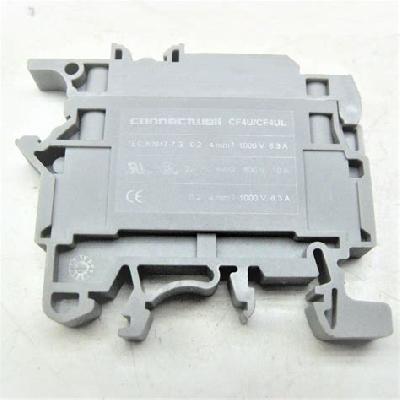
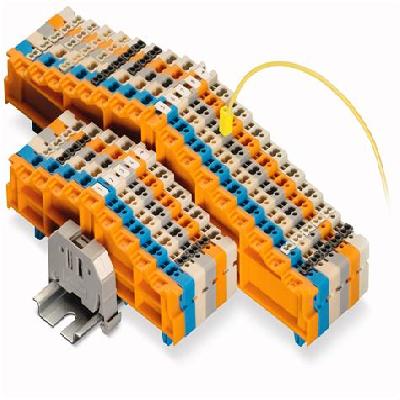
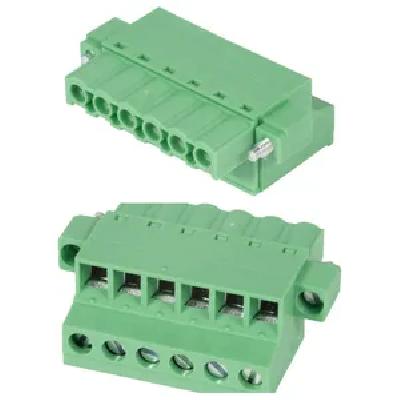
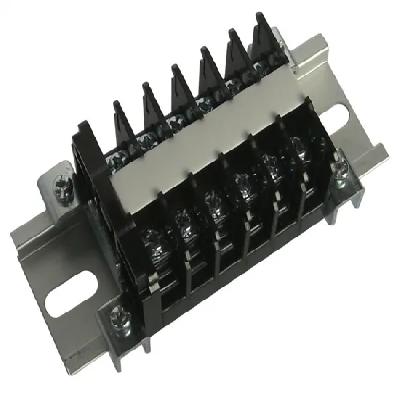
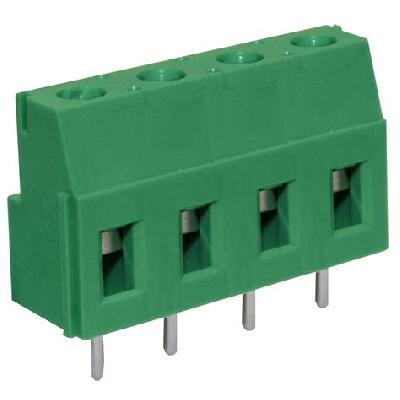
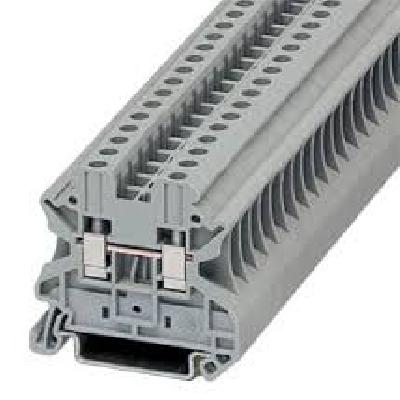
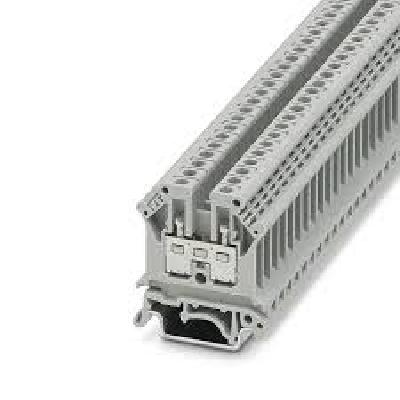
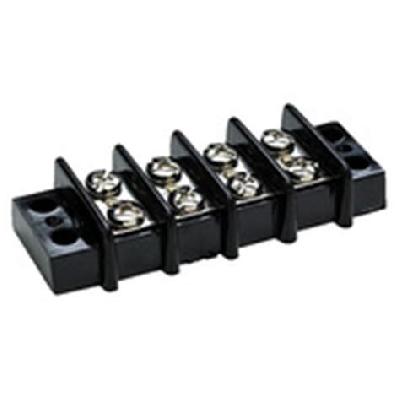
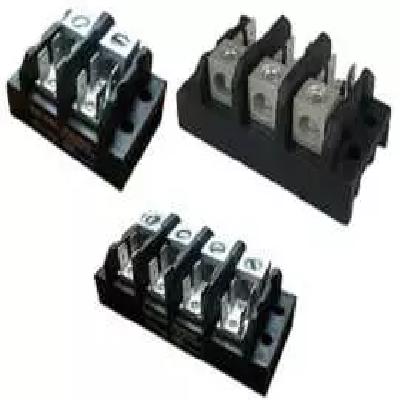
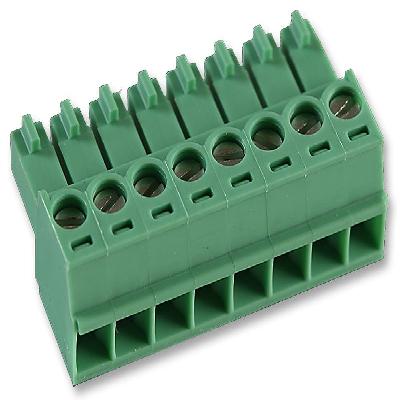
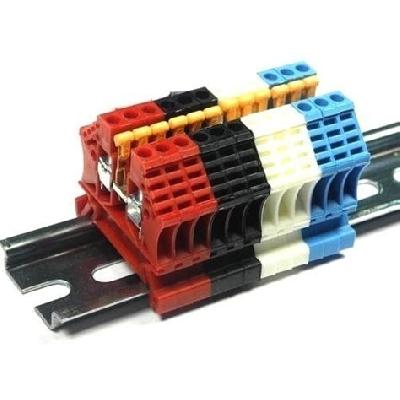
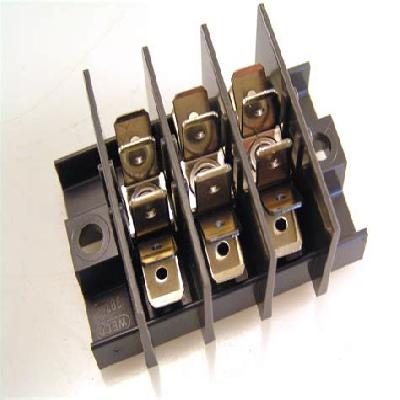
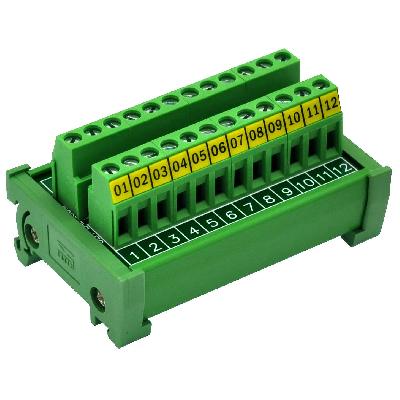
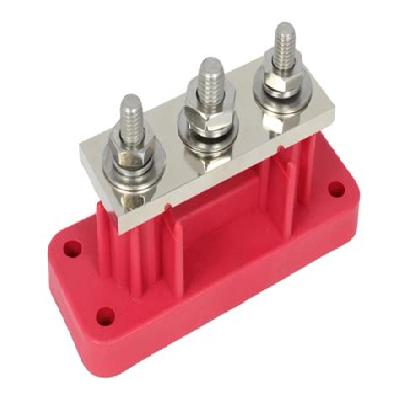
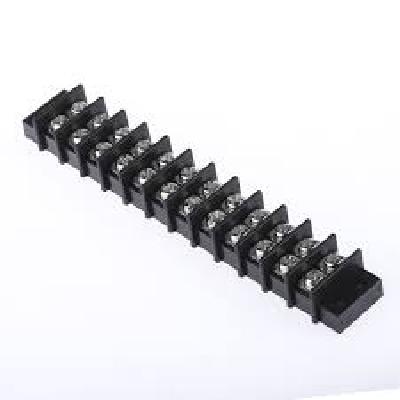
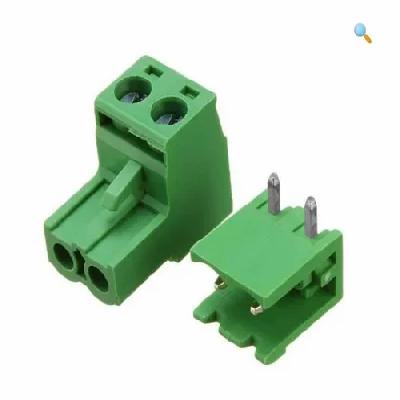
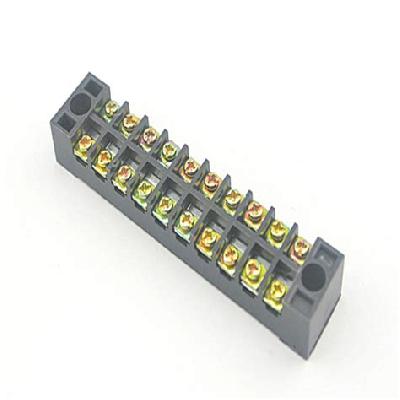
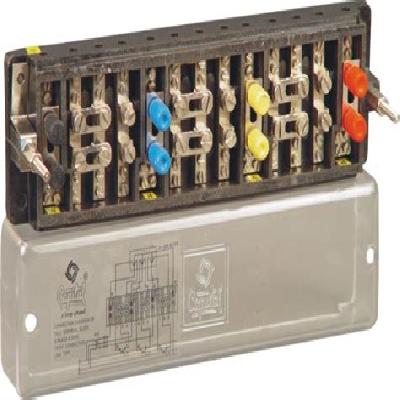
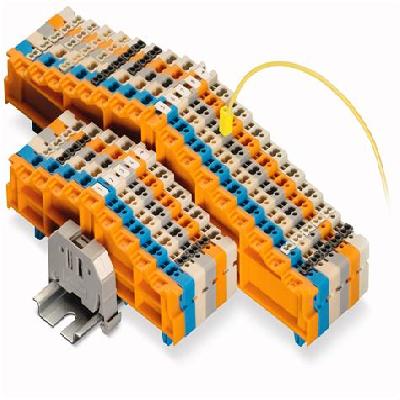
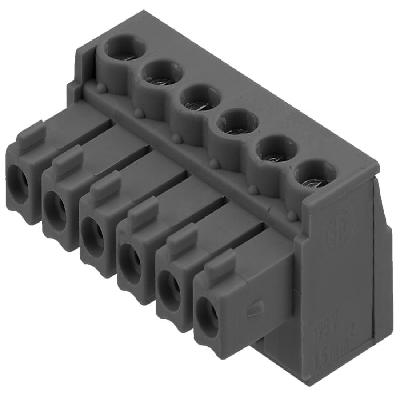
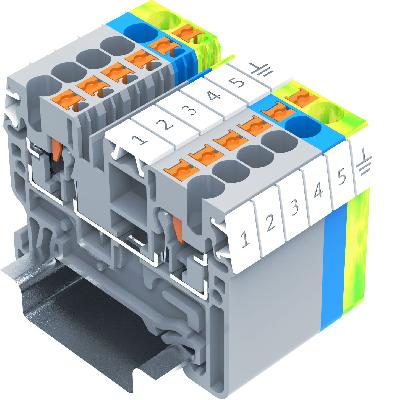
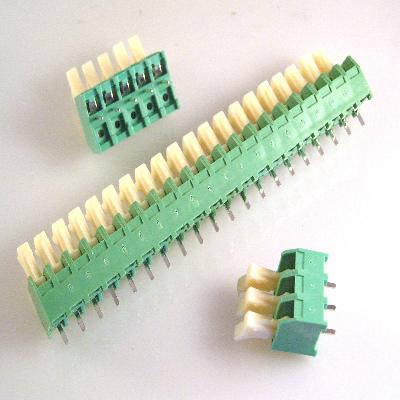
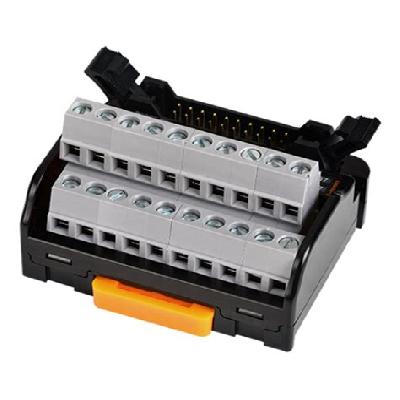
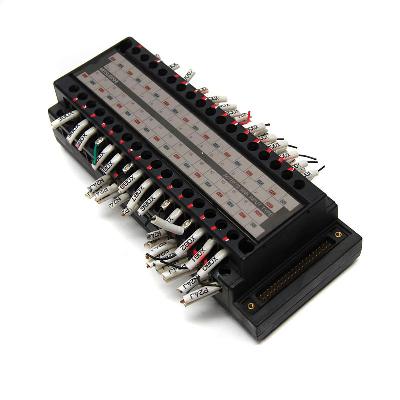
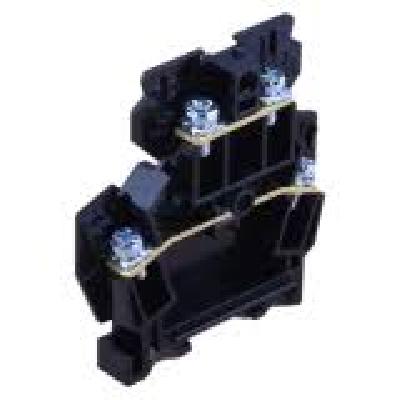
Terminal blocks are a type of electrical connector used to connect and disconnect wires in an electrical circuit. They are typically used in industrial settings where multiple wires need to be connected or disconnected quickly and safely.
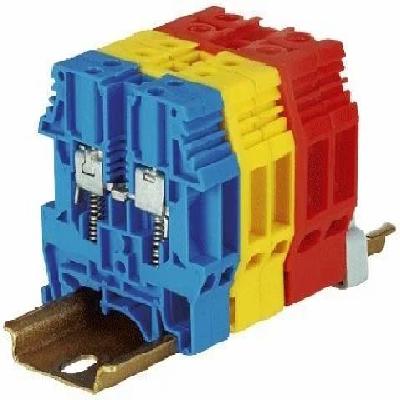
Where To Use Terminal Blocks
Terminal blocks can be used in a variety of applications, including:
Industrial control panels
Machinery and equipment
Circuits that require frequent connections or disconnections
Applications where space is limited
Key Features Of Terminal Blocks
Easy to connect and disconnect wires
Compact design for limited space applications
Durable construction for heavy-duty use
Available in various voltage and current ratings
How To Use Terminal Blocks
First, identify the correct terminal block for your application based on voltage and current ratings.
Next, insert the wires into the terminal block according to the manufacturer's instructions.
Ensure that the wires are securely seated in the terminal block to prevent loose connections.
How Terminal Blocks Is Manufactured
Terminal blocks are typically manufactured using high-quality materials, such as copper or brass, and undergo a rigorous testing process to ensure reliability and durability.
Technical Specification Of Terminal Blocks
Number of Positions:
10-50
Voltage Rating:
120V - 480V
Current Rating:
10A - 30A
Material:
Copper, Brass, or Stainless Steel
The technical specifications of terminal blocks are critical in ensuring safe and reliable connections in electrical circuits. The number of positions, voltage rating, current rating, and material of the terminal block must be carefully selected based on the specific application requirements.
Description Of Terminal Blocks
Terminal blocks are a type of electrical connector used to connect and disconnect wires in an electrical circuit. They are typically used in industrial settings where multiple wires need to be connected or disconnected quickly and safely.