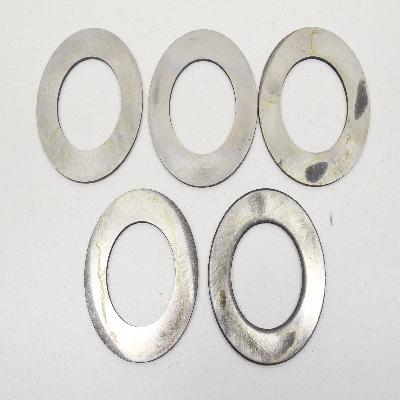
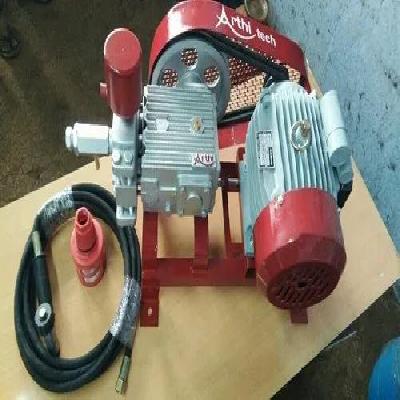
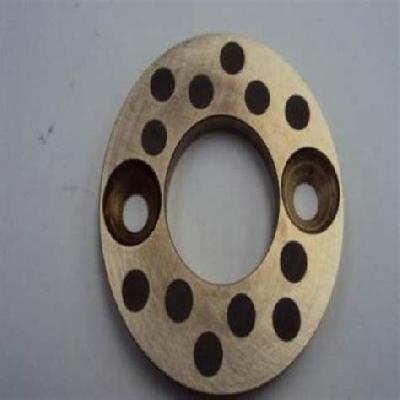
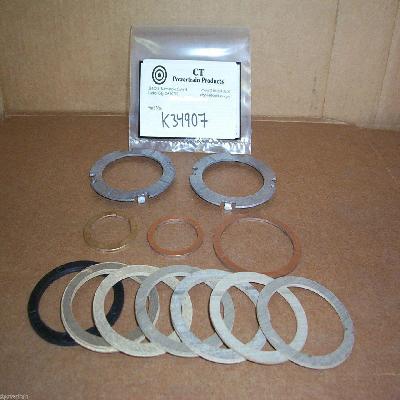
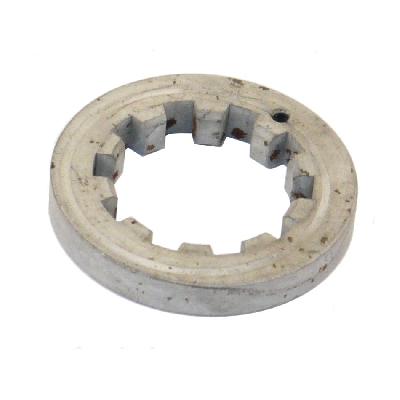
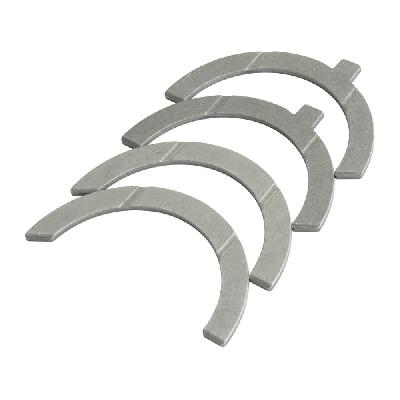
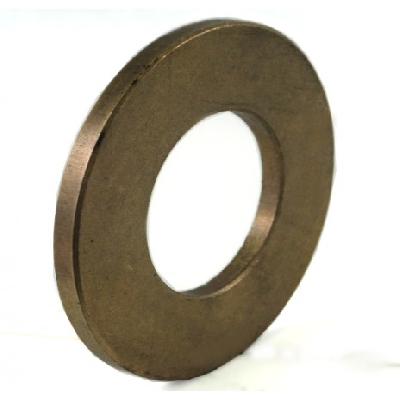
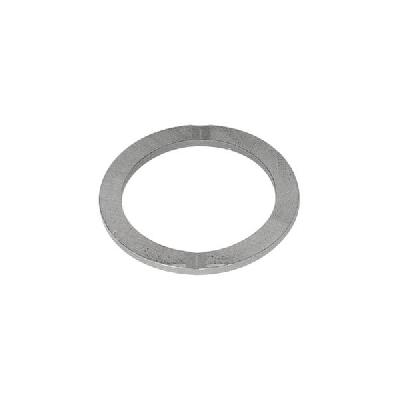
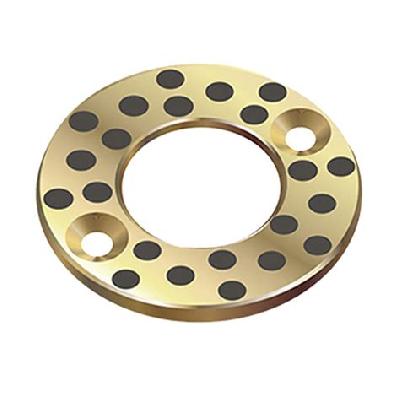
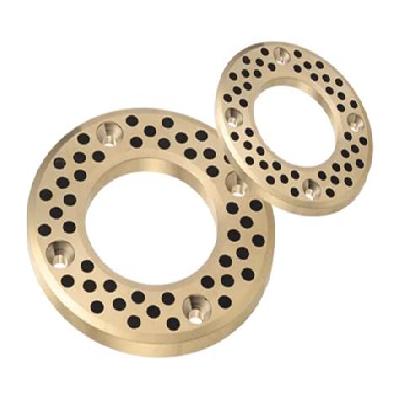
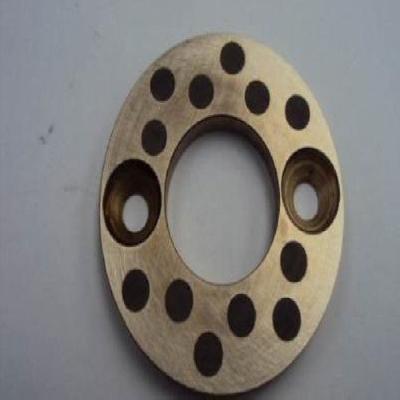
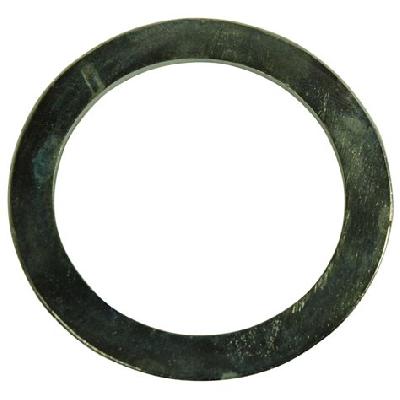
Thrust washer is a type of mechanical component used to reduce friction and prevent wear on moving parts in machines. It is typically installed between two rotating surfaces, such as shafts or bearings, to absorb the axial load and distribute it evenly.
Where To Use Thrust Washer
Automotive engines and transmissions
Machinery such as pumps, compressors, and gearboxes
Aircraft engines and landing gear systems
Industrial equipment like generators and motors
Key Features Of Thrust Washer
Reduces friction and wear on moving parts
Distributes axial load evenly between rotating surfaces
Improves machine efficiency and reduces energy consumption
Prolongs the lifespan of mechanical components
How To Use Thrust Washer
Install the thrust washer between two rotating surfaces with a small gap for easy installation
Tighten the retaining ring or locknut to secure the washer in place
Ensure proper alignment and rotation of the moving parts
Maintain regular inspection and replacement schedule
How Thrust Washer Is Manufactured
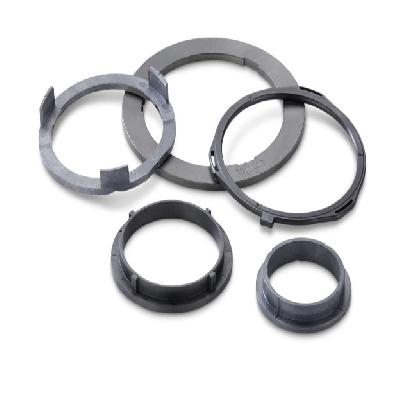
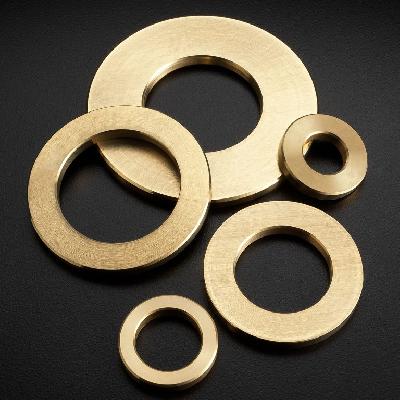
Thrust washers are typically manufactured using high-quality materials such as steel, bronze, or ceramic. The manufacturing process involves cutting and machining the raw material to precise dimensions, followed by surface treatment and inspection.
Technical Specification Of Thrust Washer
Material:
Steel ( AISI 1045 )
Diameter:
20 mm
Thickness:
3.5 mm
Load Capacity:
200 kgf
Surface Hardness:
HRC 58-62
Compressive Strength:
1500 MPa
The technical specifications of a thrust washer are crucial in ensuring its proper functionality and longevity. The material, diameter, thickness, load capacity, surface hardness, and compressive strength all play important roles in determining the performance and durability of the component.
Description Of Thrust Washer
A thrust washer is a circular or annular-shaped component with a central hole, used to reduce friction and prevent wear on moving parts in machines. It is typically made of high-quality materials such as steel, bronze, or ceramic, and is designed to withstand heavy loads and vibrations.