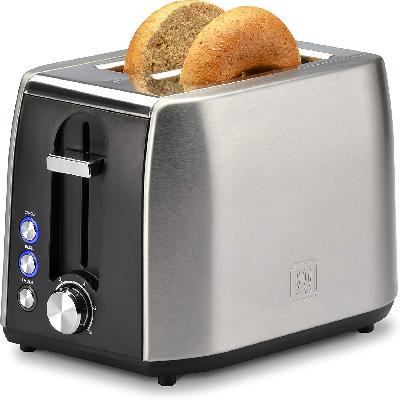
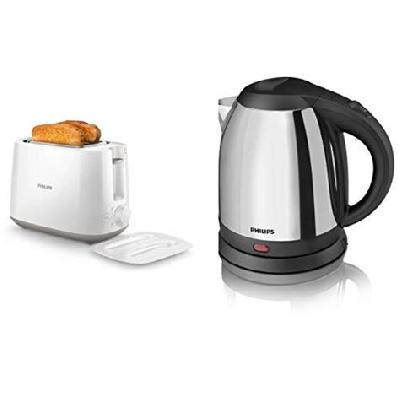
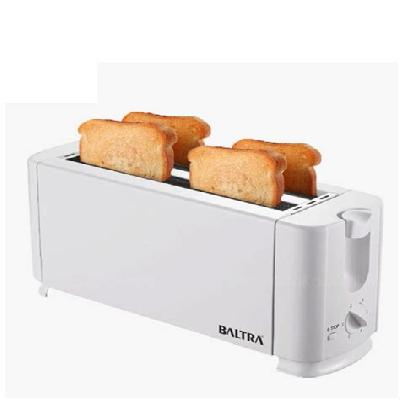
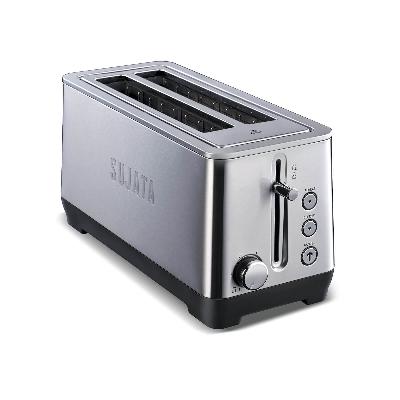
A toaster is a kitchen appliance used to toast slices of bread until they are golden brown and crispy.
Where To Use Toaster
Toasters are commonly used in residential and commercial kitchens, but can also be found in offices, cafes, and restaurants.
Key Features Of Toaster
Automatic or manual controls for temperature and timing
Multiple slots for toasting multiple slices of bread at once
Easy cleaning and maintenance design
Variety of power options, including corded and cordless models
How To Use Toaster
Place slices of bread into the toaster slots
Select the desired temperature and timing settings using the control panel
Press the toasting button to start the toasting process
Check on the toast regularly to avoid burning or over-toasting
How Toaster Is Manufactured
Toasters are typically manufactured using a combination of metal and plastic materials, with the outer casing being made from durable and easy-to-clean materials.
Technical Specification Of Toaster
Number of Slots:
2-4 slots
Power Range:
800-2000 watts
Voltage:
220-240 volts
Body Type:
Compact and sleek design
Functions:
Automatic shut-off, defrosting, and reheating
The technical specification of a toaster is crucial in determining its performance, efficiency, and safety features. The number of slots, power range, voltage, body type, and functions are all essential factors to consider when selecting the right toaster for your needs.
Description Of Toaster
A toaster is a kitchen appliance used to toast slices of bread until they are golden brown and crispy. It is typically made from durable materials such as metal and plastic, with a compact and sleek design that makes it easy to place on any kitchen countertop.
Related Products & Synonyms Of Toaster
Some related products to toasters include:
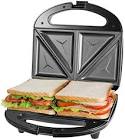
Sandwich Makers: A type of toaster that can make sandwiches in addition to toasting bread
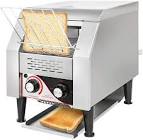
Conveyor Toaster: A type of toaster that uses a conveyor belt to toast slices of bread
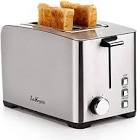
Slice Pop-Up Toaster: A type of toaster that pops up when the toast is done, eliminating the need for manual removal