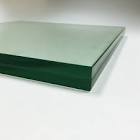
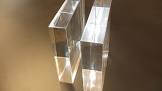
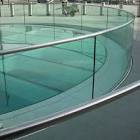
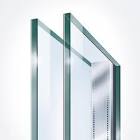
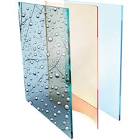
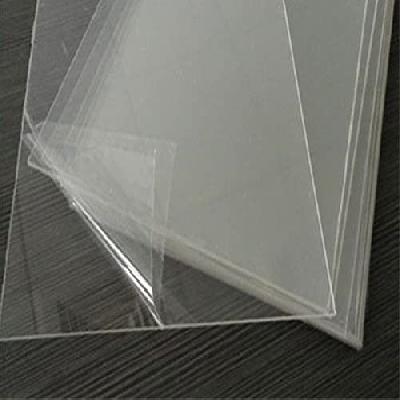
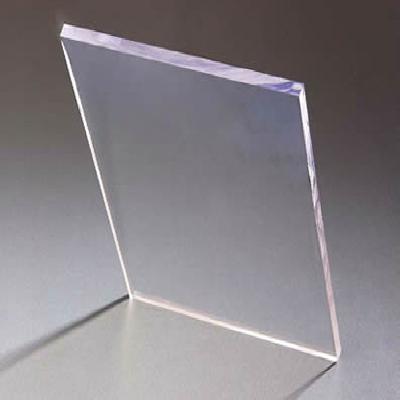
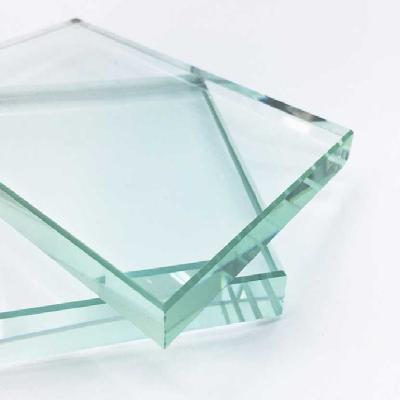
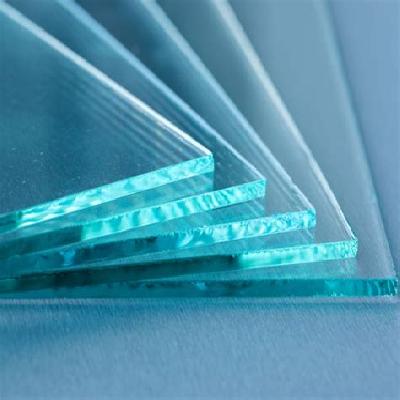
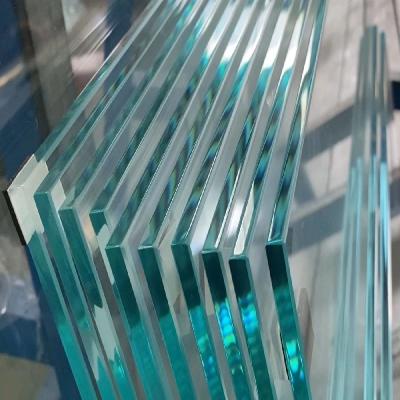
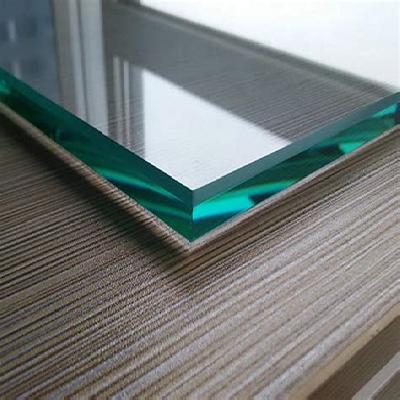
Toughened glass, also known as tempered toughened glass, is a type of safety glass processed by controlled thermal treatment to increase its strength and durability compared with regular glass. This process involves heating the glass to around 600°C (1112°F) and then rapidly cooling it using an air jet or water spray. The rapid cooling causes the outer surfaces to contract at a faster rate than the inner surfaces, which creates compressive stresses on the surface of the glass and tensile stresses in the interior. This process makes the glass more resistant to impact and thermal stress, making it ideal for applications where safety is paramount.
Where To Use Toughened Glass
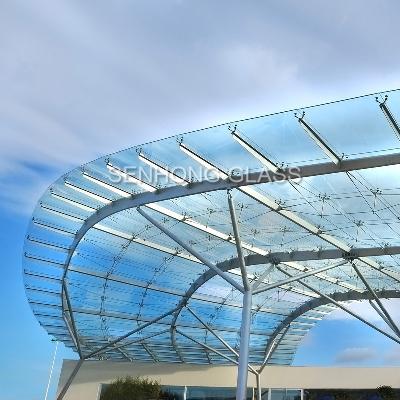
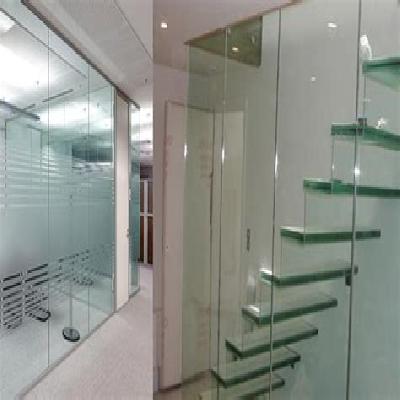
Toughened glass is commonly used in various applications, including:
Automotive windshields and side windows for its strength and shatter-resistance
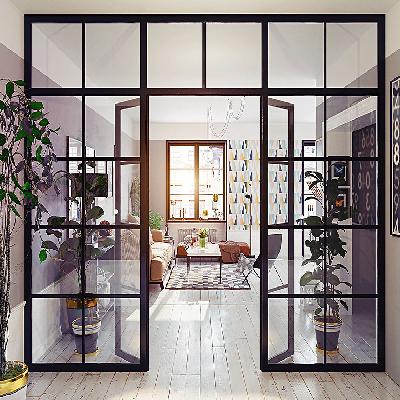
Balcony doors and sliding glass panels for domestic and commercial use
Shopfronts and display cases to prevent breakage under impact
Security applications such as bank counters, cash machines, and prison cell windows
Medical equipment and medical facilities due to its resistance to autoclaving and sterilization processes
Railway industry for windshields and side windows of trains
Key Features Of Toughened Glass
Increased strength and durability compared to regular glass
Resistant to thermal stress, impact resistance, and shatter-resistance
Less prone to thermal shock and can withstand sudden changes in temperature without breaking
More resistant to chemical corrosion than regular glass
Suitable for applications where safety is paramount
How To Use Toughened Glass
Can be installed in various configurations such as fixed, sliding, hinged, or pivoted frames
Must be handled with care during installation to avoid scratches and breaks
Should not be subjected to sudden impact or thermal shock during use
Regularly inspected for signs of wear, cracks, or breakage
Can be easily cleaned using standard glass cleaning methods
How Toughened Glass Is Manufactured
The manufacturing process of toughened glass involves several steps:
First, the raw glass is inspected for quality and purity
Then, it's cut to size using a glass cutter or saw
Next, the glass is placed in a furnace where it's heated to around 600°C (1112°F)
After heating, the glass is rapidly cooled using an air jet or water spray
Once cooled, the glass is inspected for any defects or imperfections
Finally, the toughened glass is packaged and shipped out for installation
Technical Specification Of Toughened Glass
Thickness:
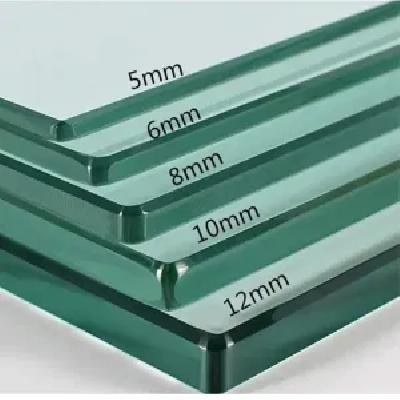
3mm - 19mm
Shape:
Square, Rectangle, Circle, Triangle
Finish:
Polished, Honed, Ground, Lapped
Edge Types:
Scribed Edge, Grind Edge, Chamfered Edge
The technical specifications of toughened glass include various parameters such as thickness, shape, finish, and edge types. The suitable range for these parameters can vary depending on the application and intended use. In general, the minimum recommended thickness is 3mm, while the maximum thickness can be up to 19mm. Various shapes are available, including square, rectangle, circle, and triangle. Different finishes such as polished, honed, ground, and lapped can also be applied to suit specific requirements. Additionally, different edge types like scribed edge, grind edge, and chamfered edge can be used depending on the desired look and functionality.
Description Of Toughened Glass
Toughened glass is a type of safety glass that has been processed to increase its strength and durability compared with regular glass.
Related Products & Synonyms Of Toughened Glass
Some related products of toughened glass include:
Toughened Safety Glass: A type of safety glass that has been processed to increase its strength and durability.
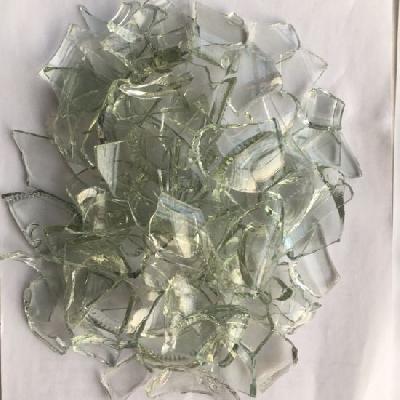
Scrap Glass: Waste glass from manufacturing processes that can be recycled into new products.
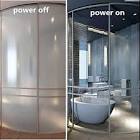
Switchable Glass: A type of glass that can change transparency or reflectivity in response to an electric current.
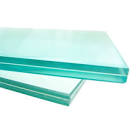
Laminated Toughened Glass: A type of safety glass made by sandwiching layers of plastic and glass together.
Bullet Proof Glass: A type of glass designed to resist penetration from firearms.
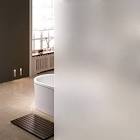
Frosted Glass: A type of glass that has been etched or sandblasted to reduce glare and improve aesthetics.
Bending Toughened Glass: A type of toughened glass that can be bent without breaking.
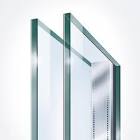
Double Glazing Glass: Two or more panes of glass separated by a gap filled with gas for improved insulation.
Glazed Glass: A type of glass that has been coated with a layer of metal oxide to improve its properties.
Protective Glass: A type of glass designed to protect objects from damage caused by impact or environmental factors.
Impact Resistant Glass: A type of safety glass that can resist impacts without breaking.
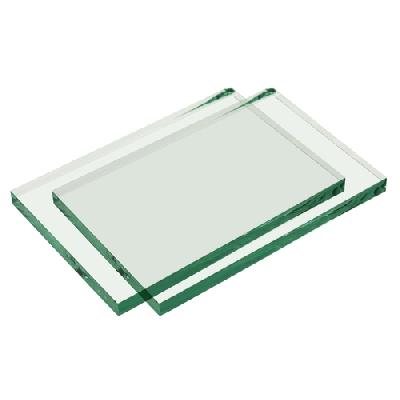
Glass Sheets: Flat, rectangular pieces of glass used for various applications.
Glass Panel: A flat panel made from multiple layers of glass or other materials.
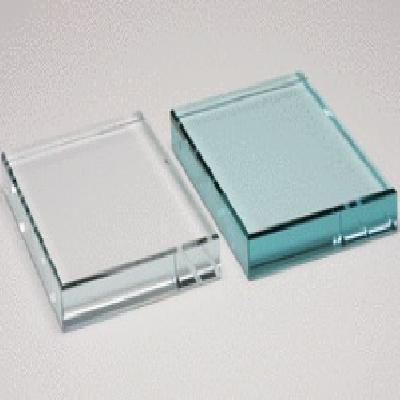
Clear Glass: Transparent glass with minimal distortion and glare.
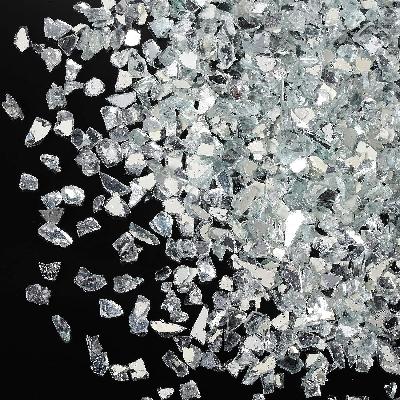
Cullet Glass Scrap: Recycled glass that has been crushed into small fragments.
Extra Clear Glass: A type of clear glass with improved clarity and reduced distortion.
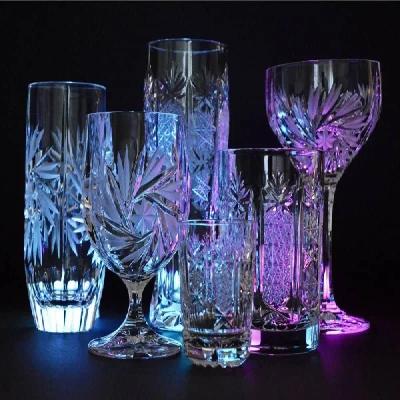
Lead Glass: Glass containing lead oxide, often used for its weight and chemical resistance properties.
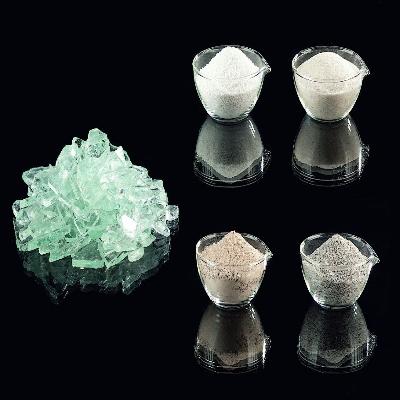
Glass Raw Materials: The materials used to produce glass, including silicon dioxide, soda ash, and limestone.
Industrial Glass: A type of glass designed for use in industrial settings due to its durability and versatility.
Crushed Glass: Recycled glass that has been crushed into small fragments.
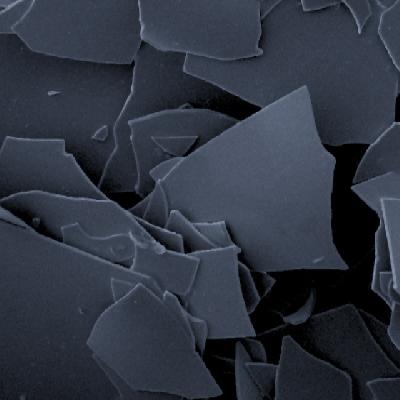
Glass Flakes: Small, thin pieces of glass used as fillers or additives in various applications.
Heat Treated Glass: A type of glass that has been treated to improve its thermal resistance and durability.
Hammered Glass: A type of glass that has been hammered or beaten into a decorative pattern.