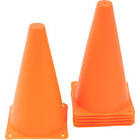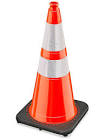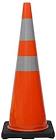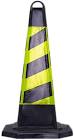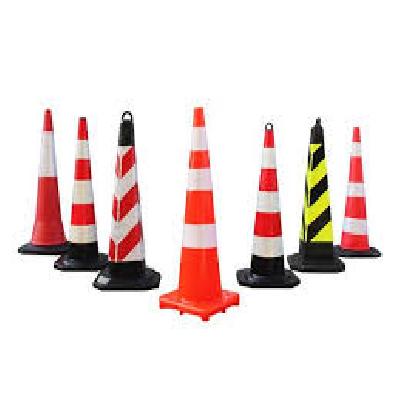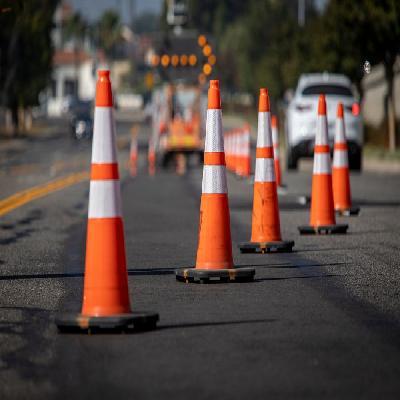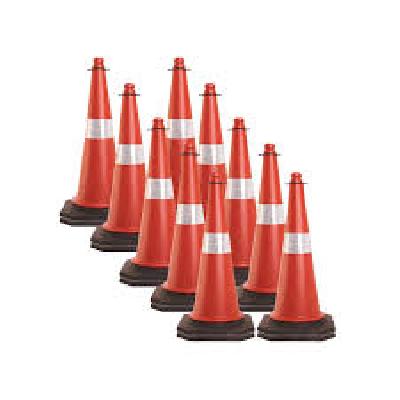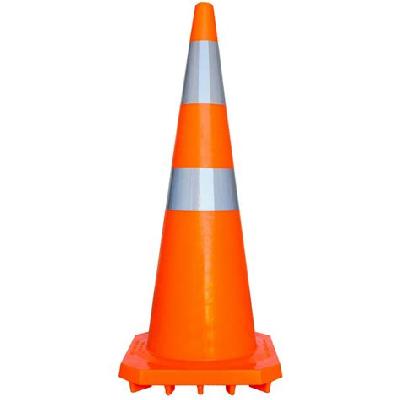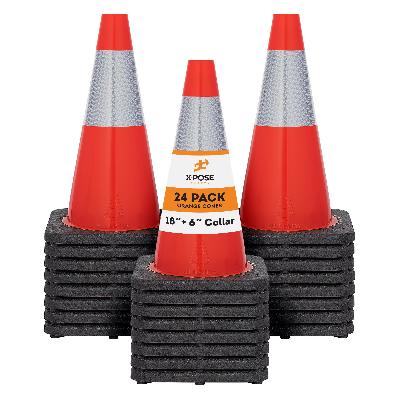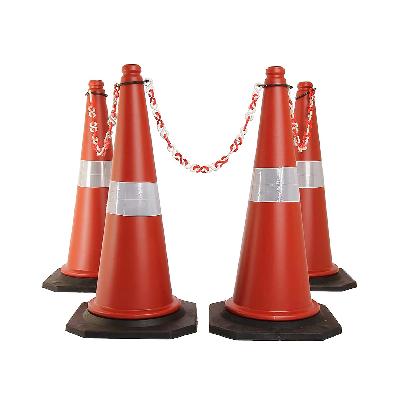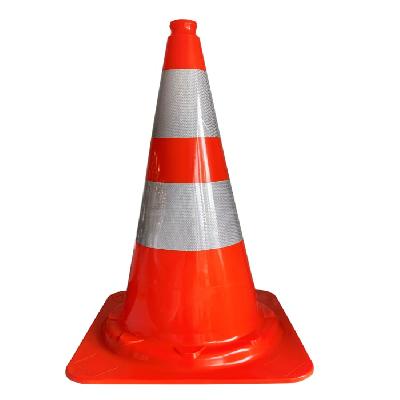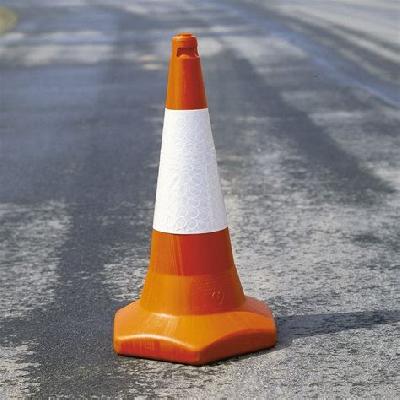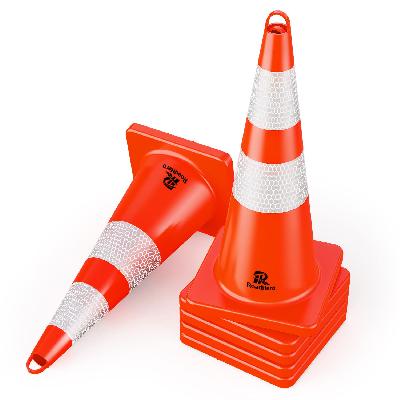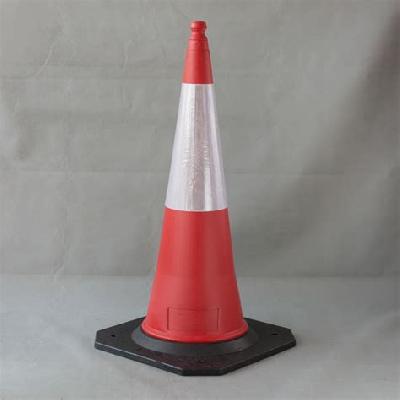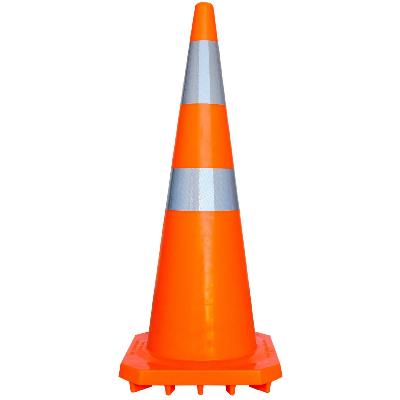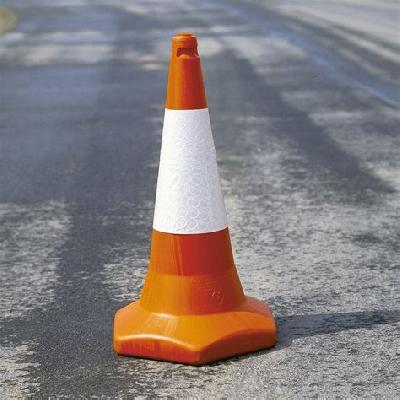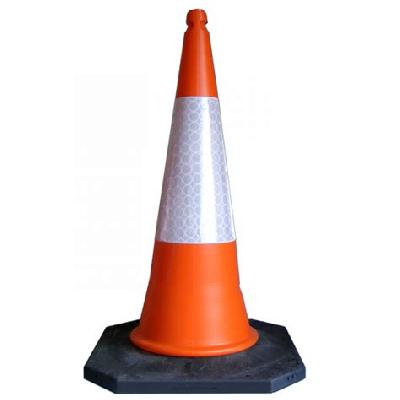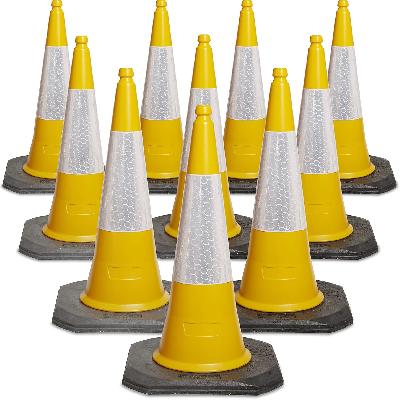
Traffic cones are a type of road barrier used to divert traffic or indicate hazards on roads and highways. They are typically made of durable materials such as plastic, PVC, or rubber and come in various sizes and shapes.
Where To Use Traffic Cones
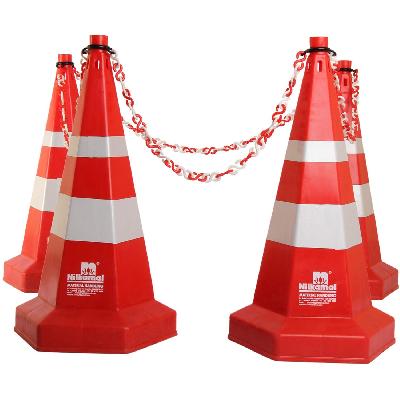
Traffic cones are commonly used in construction zones, roadwork areas, and events where traffic needs to be diverted or redirected. They can also be used to indicate hazards such as potholes, cracks, or other obstacles on the road.
Key Features Of Traffic Cones
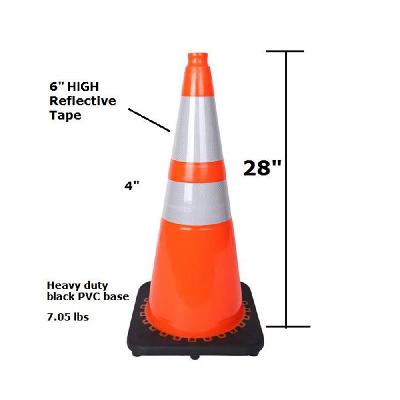
High visibility and reflectivity to ensure safety at night or in low-light conditions
Durable materials that can withstand harsh weather conditions
Easy to set up and remove
Available in various sizes and shapes to suit different needs
How To Use Traffic Cones
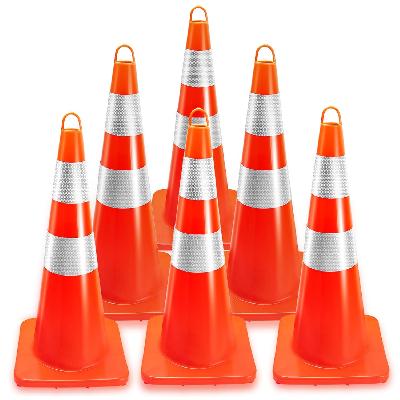
Place traffic cones at regular intervals to create a clear diversion or warning
Use reflective tape or lights to increase visibility, especially at night
Maintain a safe distance between each cone and other road signs or markings
Remove cones when the hazard or construction zone is cleared
How Traffic Cones Is Manufactured
Traffic cones are typically manufactured using a combination of plastic, PVC, or rubber materials. The manufacturing process involves injection molding, extrusion, and assembly to create the desired shape and size.
Technical Specification Of Traffic Cones
Material:
PVC
Base Size:
28cm
Color:
Yellow and Black
Reflective Bands:
Yes
Weight:
2.5kg
The technical specifications of traffic cones ensure that they meet the required standards for safety, durability, and visibility. The PVC material provides excellent resistance to harsh weather conditions, while the reflective bands increase visibility at night or in low-light conditions. The base size and weight are designed to provide stability and ease of handling.
Description Of Traffic Cones
Traffic cones are an essential tool for road safety and traffic management. They provide a clear indication of hazards or construction zones, diverting traffic away from the area. With their high visibility, durability, and ease of use, traffic cones have become a standard feature on roads and highways worldwide.