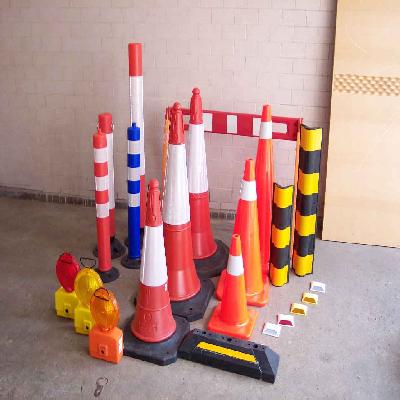
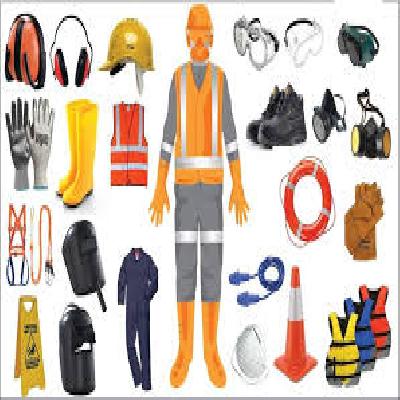
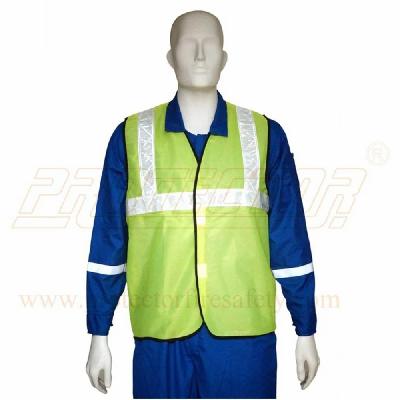
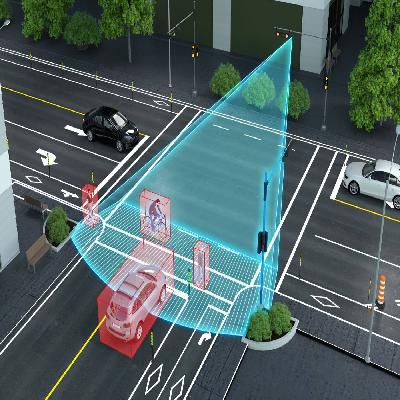
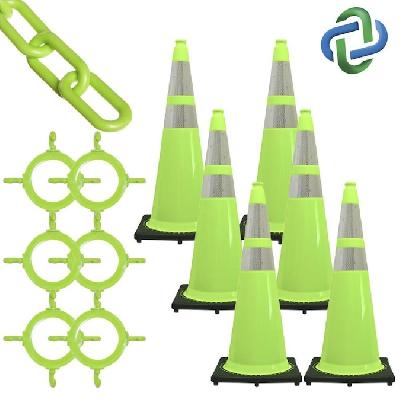
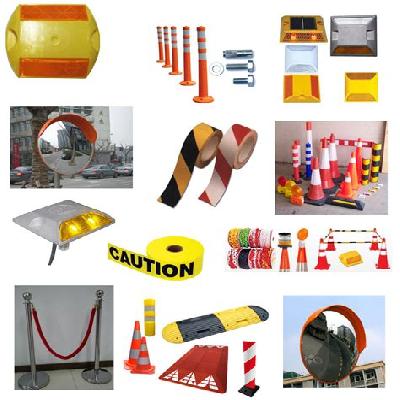
Traffic safety equipment refers to devices and systems designed to enhance road safety by reducing the risk of accidents, injuries, or fatalities on roads and highways. These products are typically installed or used in conjunction with vehicles, infrastructure, or other road features.
Where To Use Traffic Safety Equipment
Traffic safety equipment can be used in various locations, including:
Roadside areas
Highway medians and shoulders
Intersections and roundabouts
Parking lots and garages
Airports and other transportation hubs
Key Features Of Traffic Safety Equipment
Enhanced visibility and reflectivity to increase driver awareness
Improved safety features, such as impact resistance or absorbency
Easy installation and maintenance for minimal disruption to traffic flow
Durable construction to withstand harsh weather conditions and heavy use
Customizable designs to fit specific application needs
How To Use Traffic Safety Equipment
Follow manufacturer instructions for installation and maintenance
Regularly inspect equipment for damage or wear
Ensure proper placement and alignment to maximize effectiveness
Train personnel on safe handling and operation of equipment
Monitor performance and adjust as needed to maintain optimal safety levels
How Traffic Safety Equipment Is Manufactured
Traffic safety equipment is typically manufactured using a combination of materials and processes, including:
High-quality plastics or metals for durability and resistance
Advanced coatings or finishes to enhance visibility and reflectivity
Molded or injection-molded parts for precise control over dimensions and shape
Ergonomic design principles to ensure user-friendly operation and safety
Rigorous testing and quality control procedures to guarantee performance and safety standards
Technical Specification Of Traffic Safety Equipment
Material:
Durable, high-quality plastic
Types of Items:
Available in various shapes and sizes to fit specific application needs
Color:
High-visibility colors, such as yellow or orange, to enhance visibility in low-light conditions
Height:
Adjustable or customizable to fit specific installation requirements
The technical specifications of traffic safety equipment are critical to ensuring the safety and effectiveness of these products. By carefully selecting materials, designing for optimal performance, and testing for durability and reliability, manufacturers can provide high-quality solutions that meet or exceed industry standards.
Description Of Traffic Safety Equipment
Traffic safety equipment is designed to provide a safer and more efficient transportation system by reducing the risk of accidents, injuries, or fatalities on roads and highways. These products are typically used in conjunction with vehicles, infrastructure, or other road features to enhance visibility, improve safety, and minimize damage from impacts.
Related Products & Synonyms Of Traffic Safety Equipment
Traffic safety equipment is closely related to other products and systems designed for traffic management, road safety, and transportation infrastructure.
Vehicle safety features, such as airbags or anti-lock braking systems (ABS)
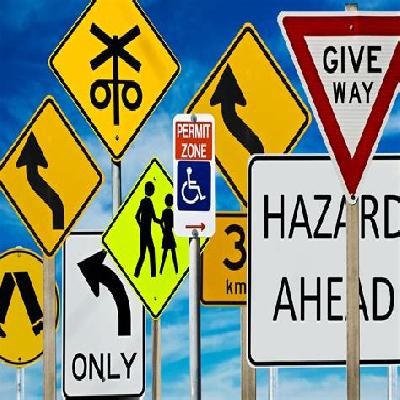
Road markings and signs to guide traffic flow and alert drivers to hazards
Traffic signals and lighting systems to enhance visibility and reduce congestion
Pavement materials and design principles for improved traction, durability, and safety