A traffic signal controller is an electronic device used to control and manage the flow of traffic at intersections and roadways. It receives input from sensors and other devices, processes the information, and then sends signals to traffic lights or other devices to change their status and regulate the movement of vehicles.
Where To Use Traffic Signal Controller
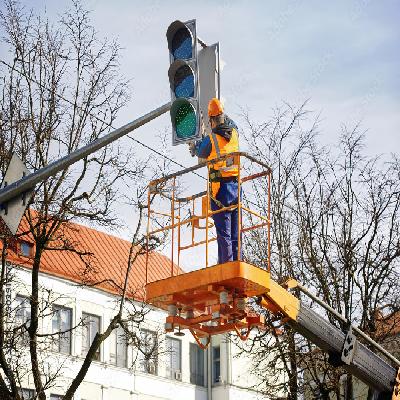
Traffic signal controllers are commonly used in urban areas, particularly at intersections with heavy traffic flow. They can also be used on highways and expressways to manage traffic flow and reduce congestion.
Key Features Of Traffic Signal Controller
Communication Interface: Supports various communication protocols, including RS-485 and Ethernet.
Number of Signal Outputs: Up to 8 signal outputs for controlling traffic lights or other devices.
Input Voltage: 24V DC or 110V AC, depending on the model.
Output Voltage: 12V DC or 24V DC, depending on the model.
Load Capacity: Can handle up to 2A current per signal output.
Operating Temperature Range: -20°C to 60°C (-4°F to 140°F).
How To Use Traffic Signal Controller
Connect the traffic signal controller to a power source and communication network.
Configure the device using a software interface or web-based dashboard.
Program the device with timing plans and schedules for traffic light control.
Monitor and adjust the device's performance in real-time.
How Traffic Signal Controller Is Manufactured
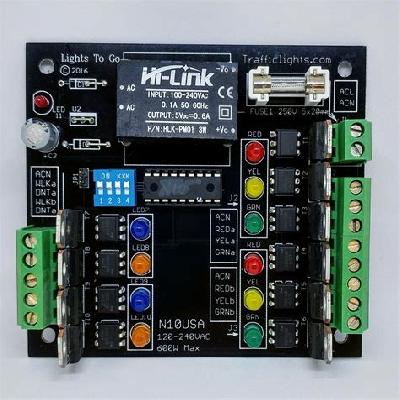
Traffic signal controllers are typically manufactured using a combination of electronic and mechanical components. The device's printed circuit board (PCB) is designed and assembled with microcontrollers, memory chips, and other supporting components. The device's casing is made from durable materials such as aluminum or plastic to protect the electronics from environmental factors.
Technical Specification Of Traffic Signal Controller
Specification
Detail
Communication Interface
RS-485 and Ethernet
Number of Signal Outputs
Up to 8 signal outputs
Input Voltage
24V DC or 110V AC
Output Voltage
12V DC or 24V DC
Load Capacity
Up to 2A current per signal output
Operating Temperature Range
-20°C to 60°C (-4°F to 140°F)
The technical specifications of a traffic signal controller are critical in determining its performance and reliability. The device's communication interface, number of signal outputs, input voltage, output voltage, load capacity, and operating temperature range are all important factors to consider when selecting a traffic signal controller for a particular application.
Description Of Traffic Signal Controller
A traffic signal controller is an essential device for managing and controlling the flow of traffic at intersections and roadways. It receives input from sensors and other devices, processes the information, and then sends signals to traffic lights or other devices to change their status and regulate the movement of vehicles.
Related Products & Synonyms Of Traffic Signal Controller
Traffic signal controllers are often used in conjunction with other traffic management devices, such as speed cameras and license plate readers. Some related products include: